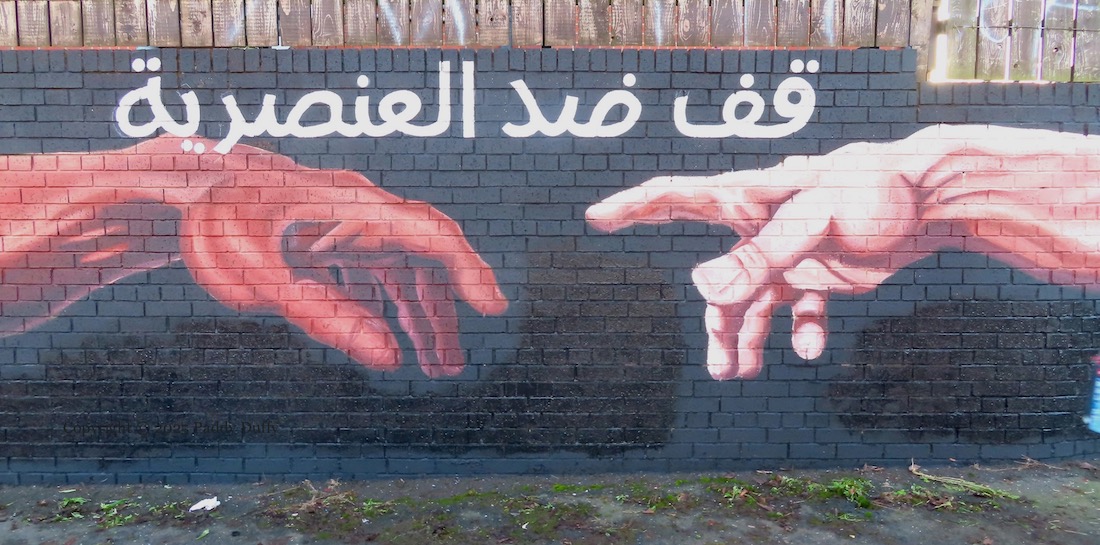
“RNU [Fb] stands with Palestine” – the board has been augmented by some knotwork corner-borders in the colours of the Palestinian and Irish flags, along with “freedom” in Irish (saoırse) and Arabic (الحرية).
For the board as originally presented in April 2024, see X14944.
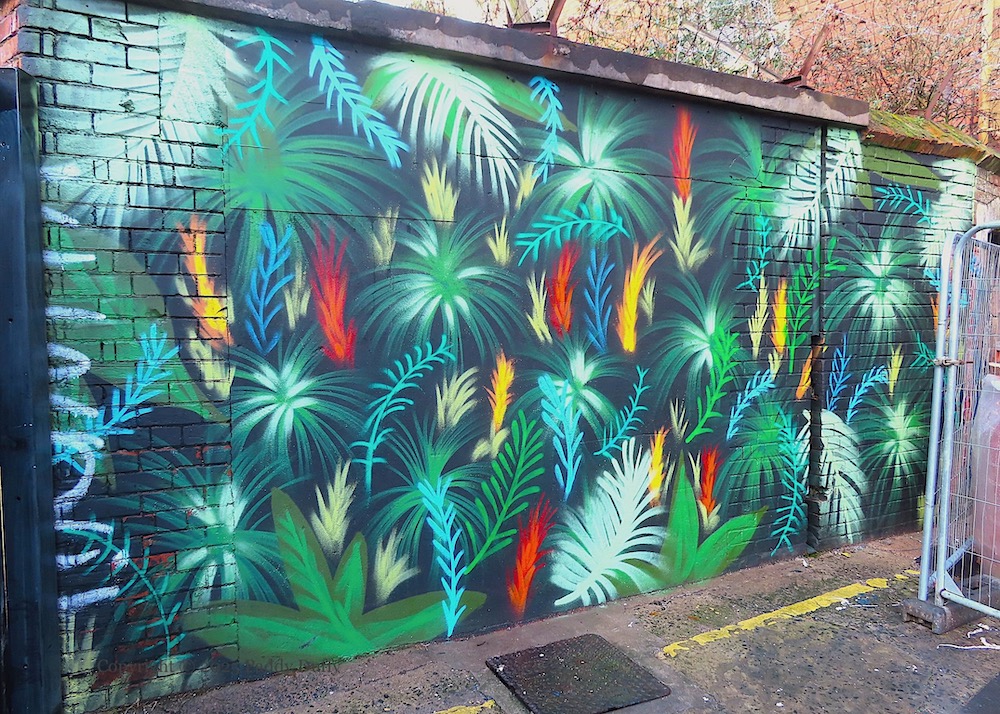
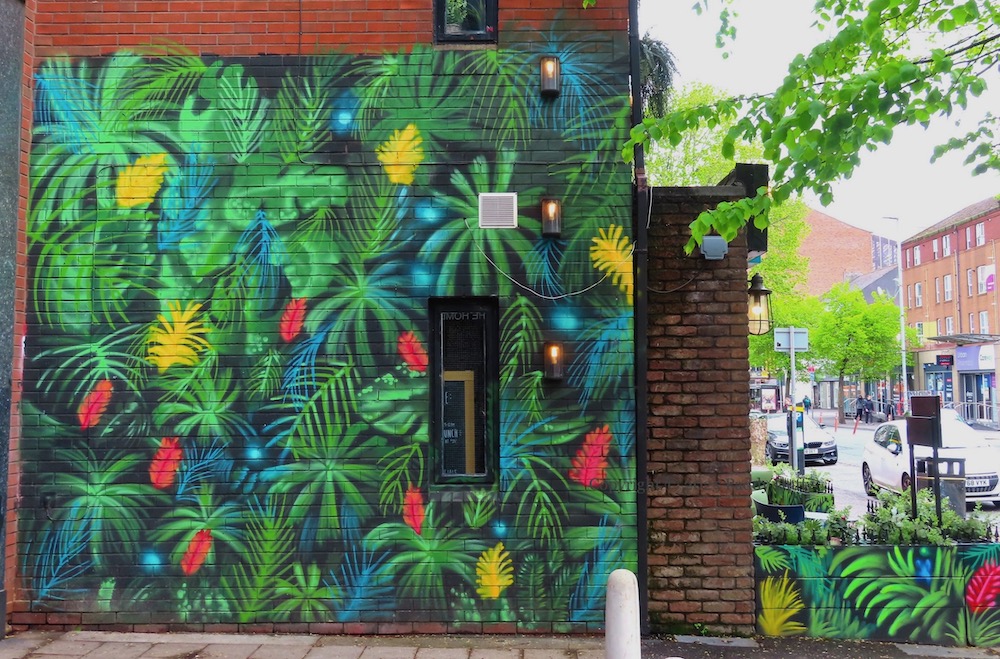
These palm-fronds and colourful flowers (by Visual Waste (ig)) are at the Teal Monkey (web) on the Dublin Road and Ventry Lane (which runs behind the restaurant).
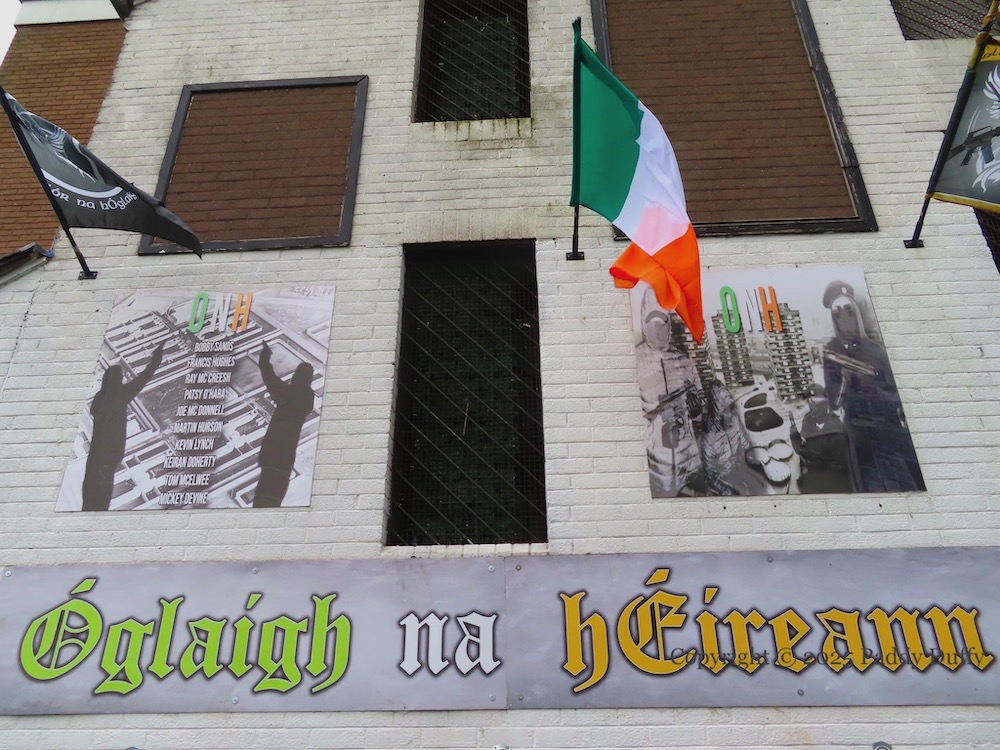
Anti-Agreement armed group Óglaıgh Na hÉıreann split in 2024 (BelTel) with the larger faction following Tony McDonnell (BelTel). Death threats against seven members from the smaller faction (under Sean O’Reilly) were issued and attacks were made in February (BBC), March (Irish News/reddit), and July (Irish News).
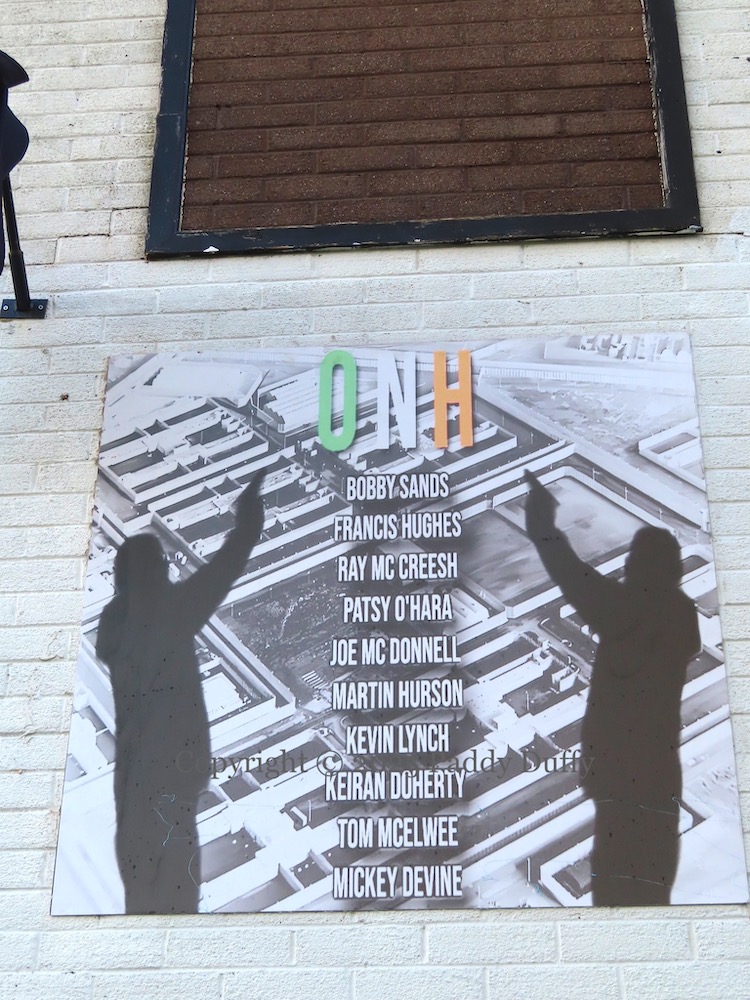
The signage seen here is in the New Lodge in north Belfast. On the left are the names of the ten deceased 1981 hunger-strikers, on the right, armed and masked volunteers pose against a background of a vintage picture of the flats (from Getty Images – BBC).
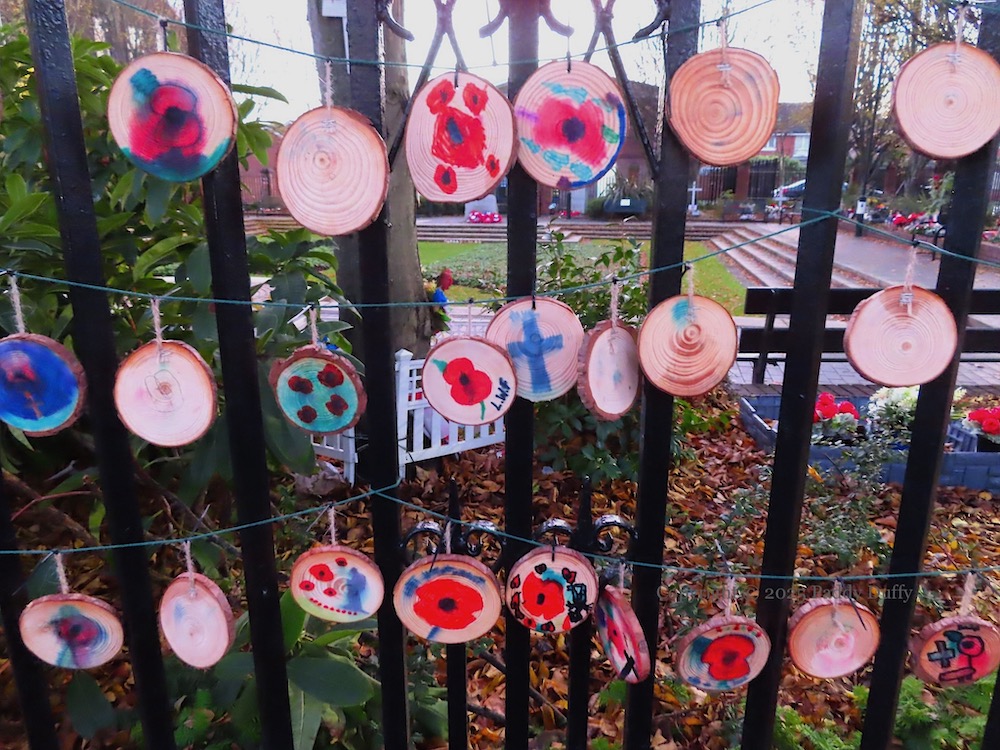
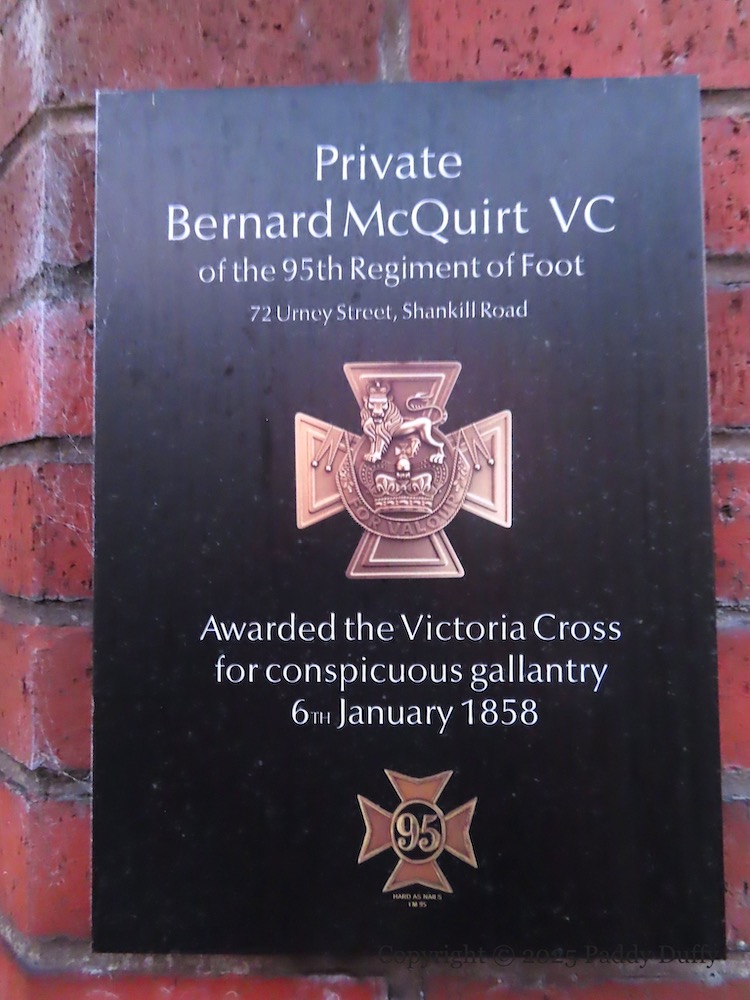
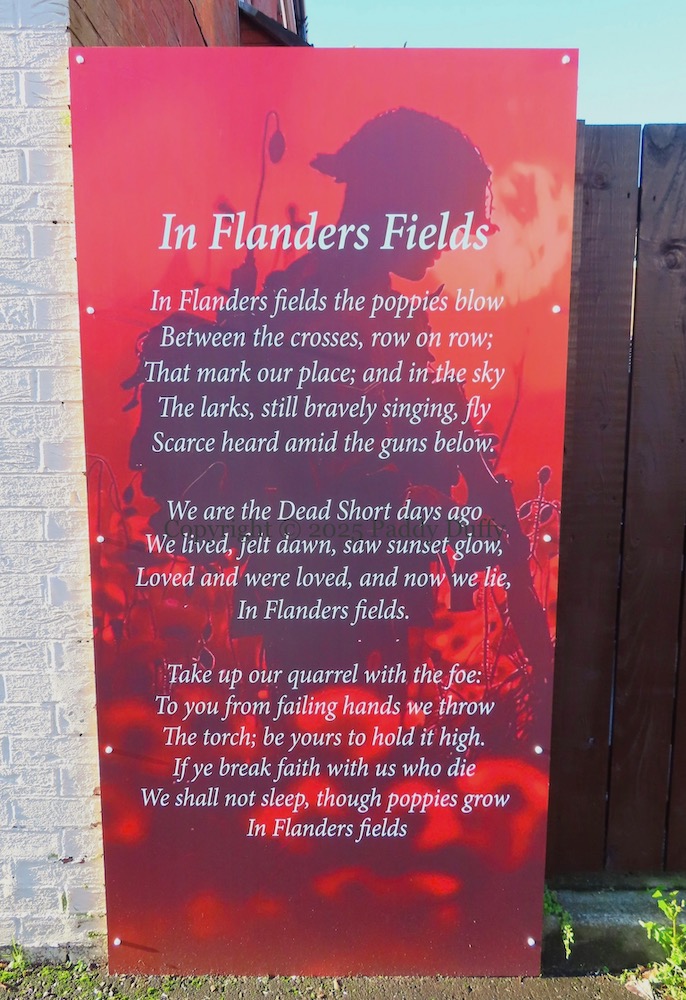
For Remembrance Sunday, rows of hand-painted wooden medallions were attached to the railings at West Kirk Presbyterian to pay homage to the dead of the British armed forces, including Bernard McQuirt, whose plaque is shown below. McQuirt was a VC winner for actions taken during the Indian Rebellion in 1858. Originally from Donaghcloney, he survived his injuries and died in 1888 at 72 Urney Street (HistoryHub | News Letter | WP) – Urney Street used to be where the plaque and the memorial garden now are, along the side of the West Kirk.
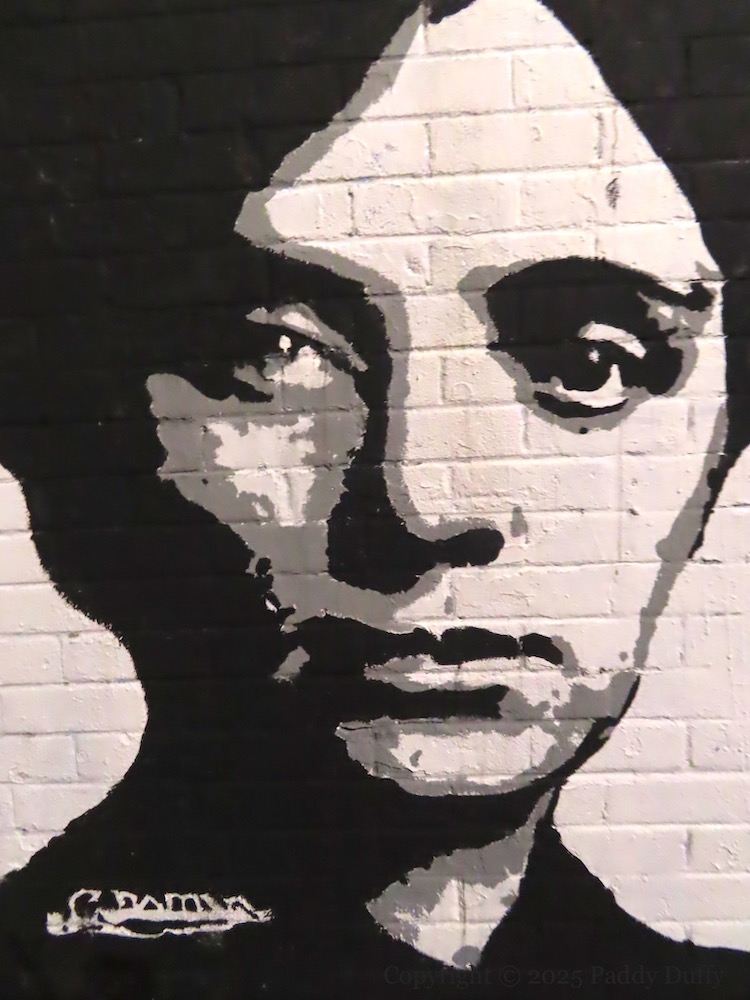
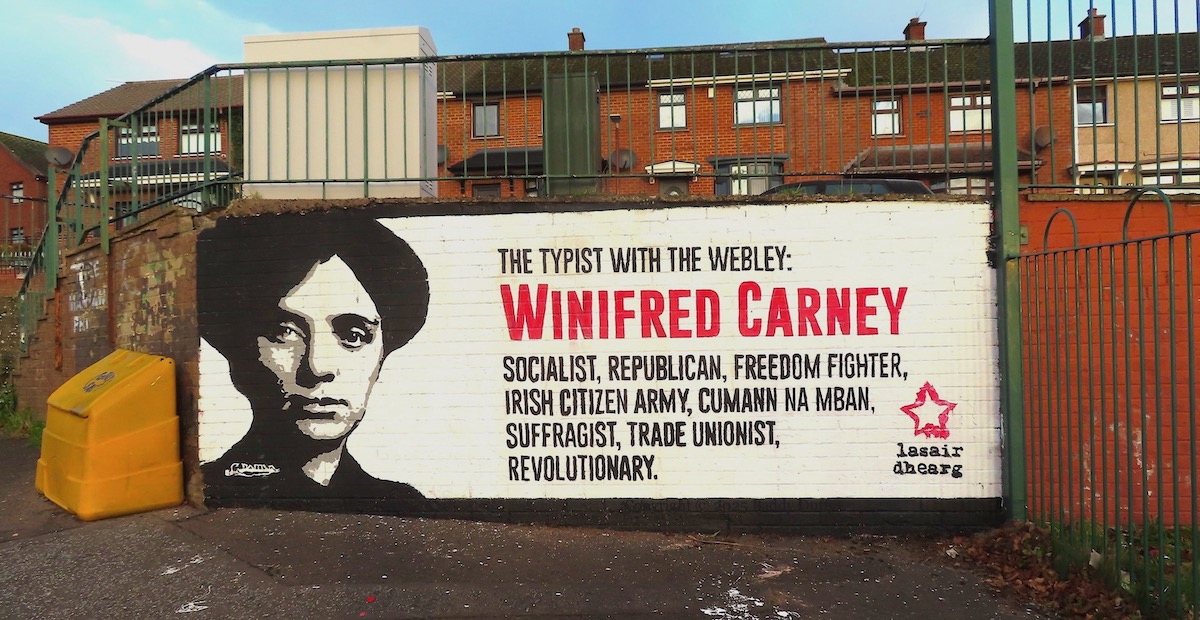
Winifred Carney was a qualified secretary and typist, and became secretary of the Irish Textile Workers’ Union in 1912, in which position she met James Connolly, who was secretary of the Belfast branch of the ITGWU. She was a member of Cumann Na mBan and participated in the Easter Rising of 1916. Carney was in the GPO when it was taken over and was among those who surrendered at the end; during the occupation she typed up dispatches from the Moore Street headquarters – this is how she was portrayed in the the 1916 Centenary mural.
This is a freshly-repainted sign for “South Belfast Ulster Volunteer Force, 2nd battalion, A company Donegall Pass” on the back wall of the Hideout bar. The previous version was painted c. 2005.
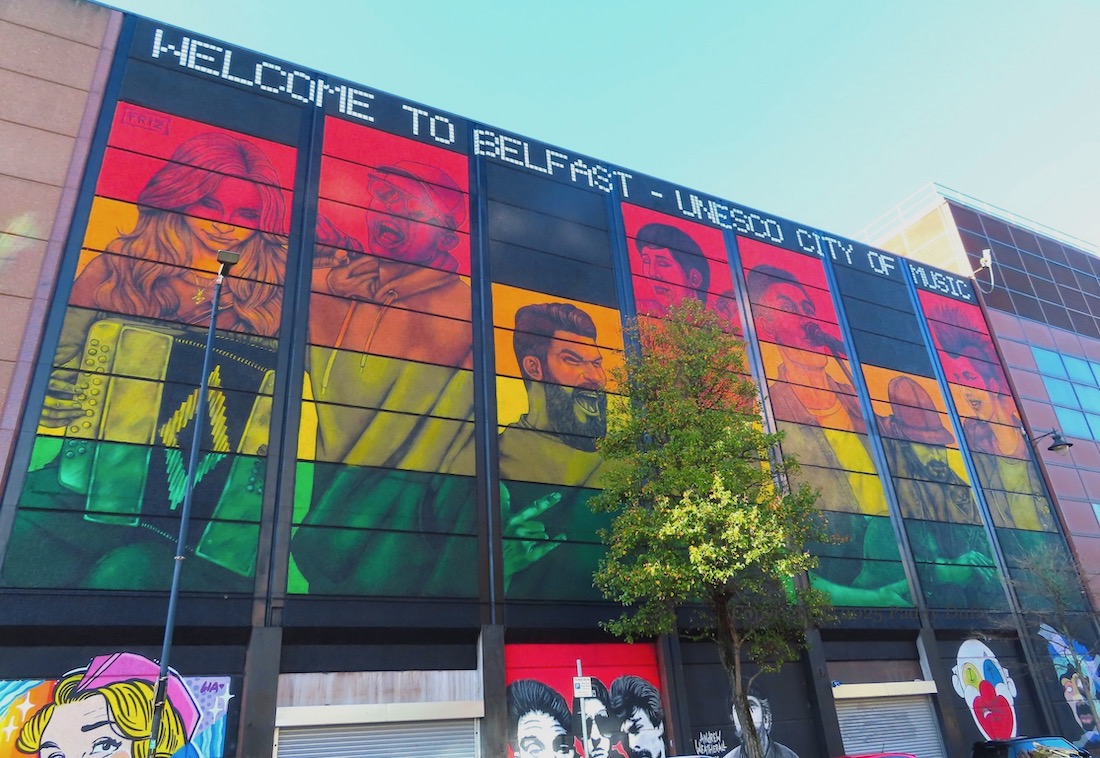
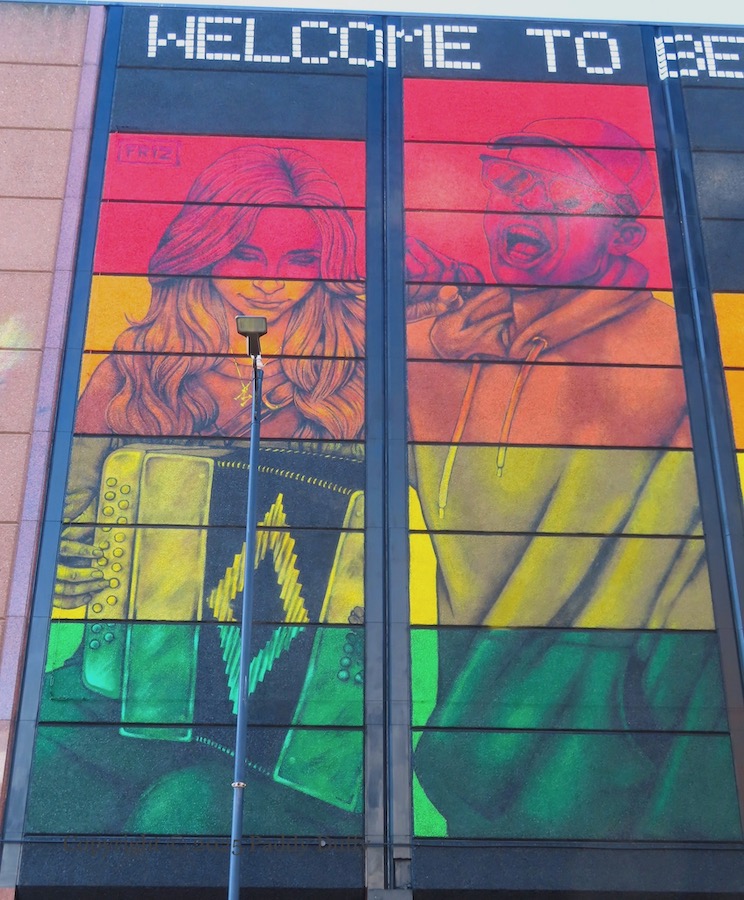
Belfast was designated a UNESCO “city of music” four years ago, in November, 2021. To mark the anniversary, Friz (web) and NRMN (ig) have painted this large piece of street-art in the guise of a VU indicator (with seven segments, nine levels, four colours). The city’s efforts to encourage music are outlined in the ‘Music Matters’ plan.
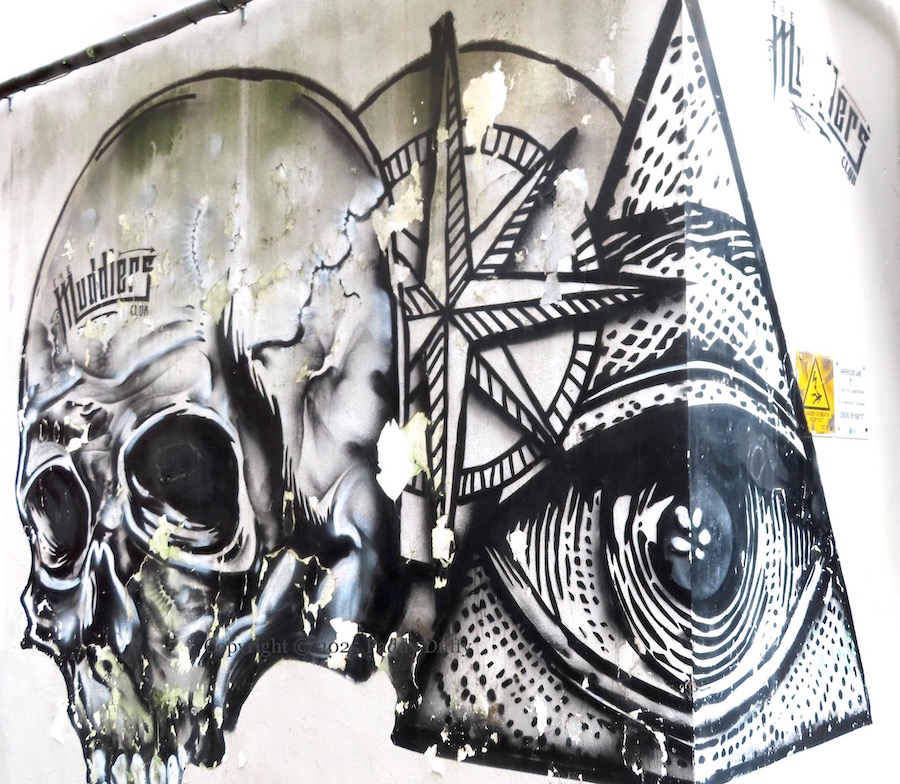
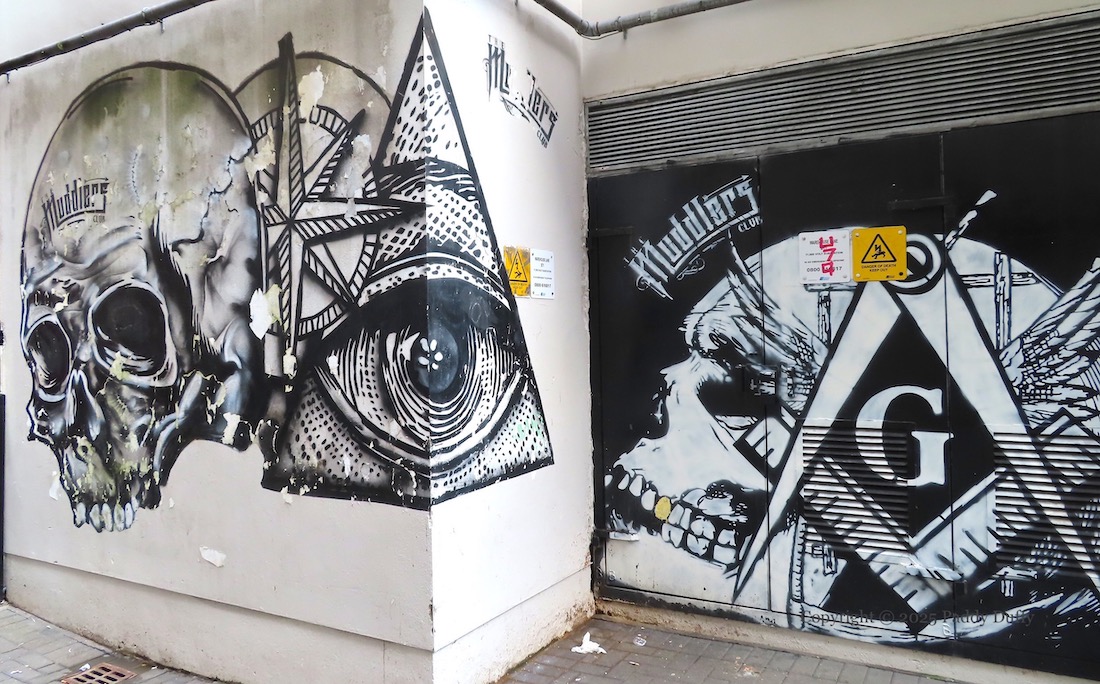
The Society Of United Irishmen – who hoped for French support for a rebellion in Ireland – could not meet openly while France and Britain were at war. In Belfast, meetings were held at Dr [Benjamin] Franklin’s tavern in Sugarhouse Entry, also called “Peggy Barclay’s” after its owner, under the guise of a social group called the Muddlers’ Club.
There is today a restaurant called The Muddlers’ Club, named after the society, in Warehouse Lane. The piece above shows a skull, a scythe, a pair of wings, and the Square & Compasses of the Freemasons (with a “G” for “God” or “geometry”). The second piece includes a skull, an eight-pointed star/compass, and an Eye Of Horus (familiar from Freemasons, the 1 dollar bill in US currency, and the Illuminati).
The piece on the left was painted by Visual Waste (web) in June, 2017; the one on the right was added later.
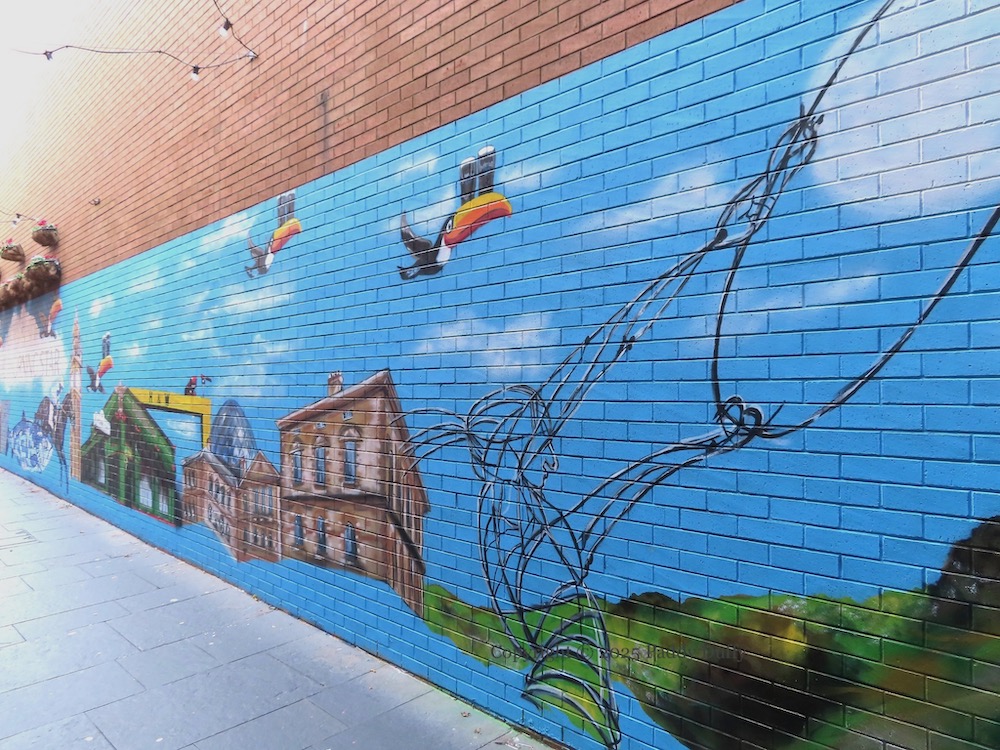
The Morning Star (web) is a bar in Pottinger’s Entry that dates back – as a coach halt – all the way to 1810. (For a full history, see Lord Belmont.) This new mural, by Graffic Belfast (ig), features Guinness toucans flying over a variety of local landmarks.














 Paddy Duffy Collection