
In 1789, Olaudah Equiano published a memoir to 311 subscribers describing his early life in west Africa, his kidnapping, transport via Barbados to enslavement in Virginia, then in London, England, and then in Montserrat in the Caribbean. He bought his own freedom in 1766 and went back to England and joined the burgeoning abolitionist movement. His memoir detailing the treatment and conditions he had experienced made him famous. He toured Britain and Ireland in support of his book: “I found the people extremely hospitable, particularly in Belfast [in 1791-1792]” (BBC Sounds 17m 58s). He stayed with Samuel Neilson, a founding member of the United Irishmen (Clifton Belfast | WP | see also yesterday’s post on Belle Martin). Ten years after his death in 1797, the trans-Atlantic slave trade was abolished in both the UK and the States.
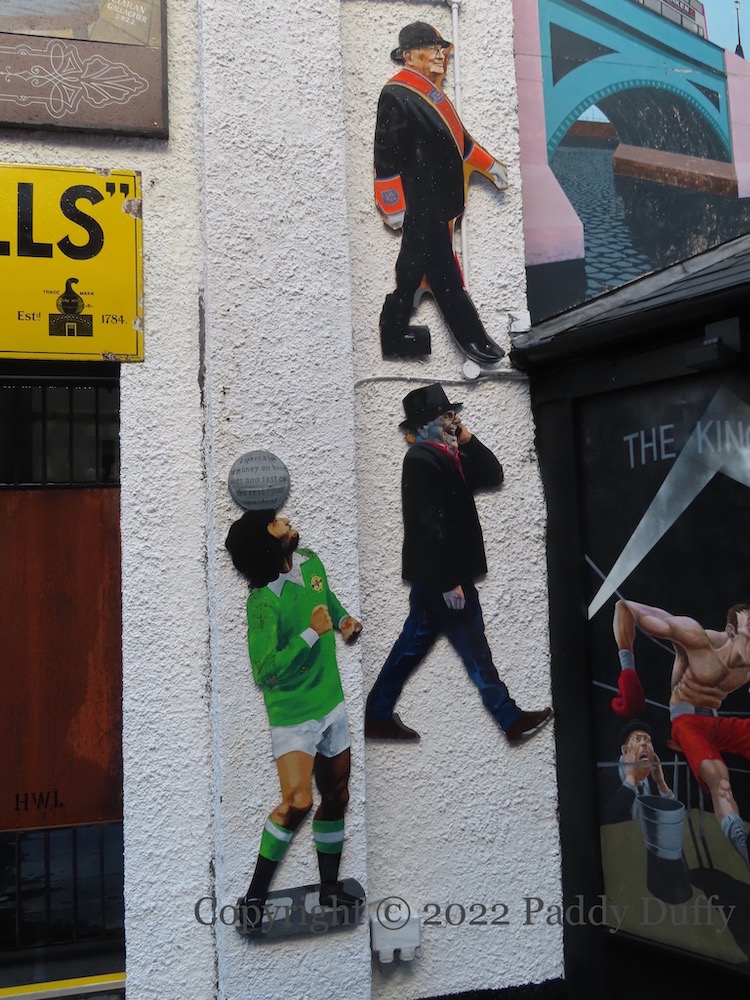
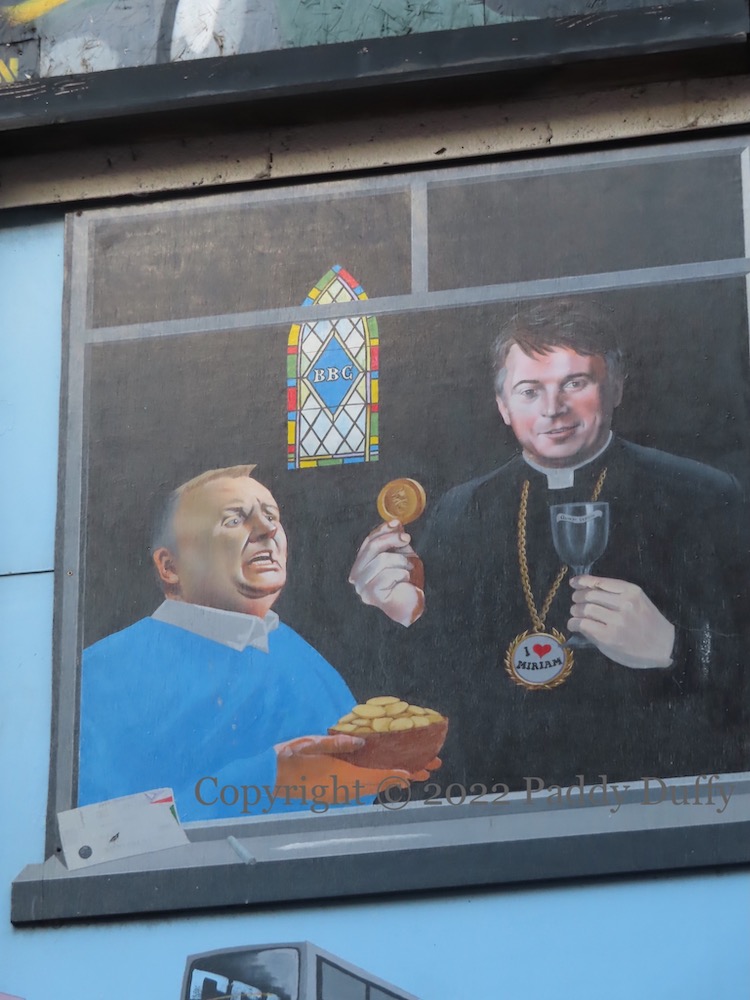
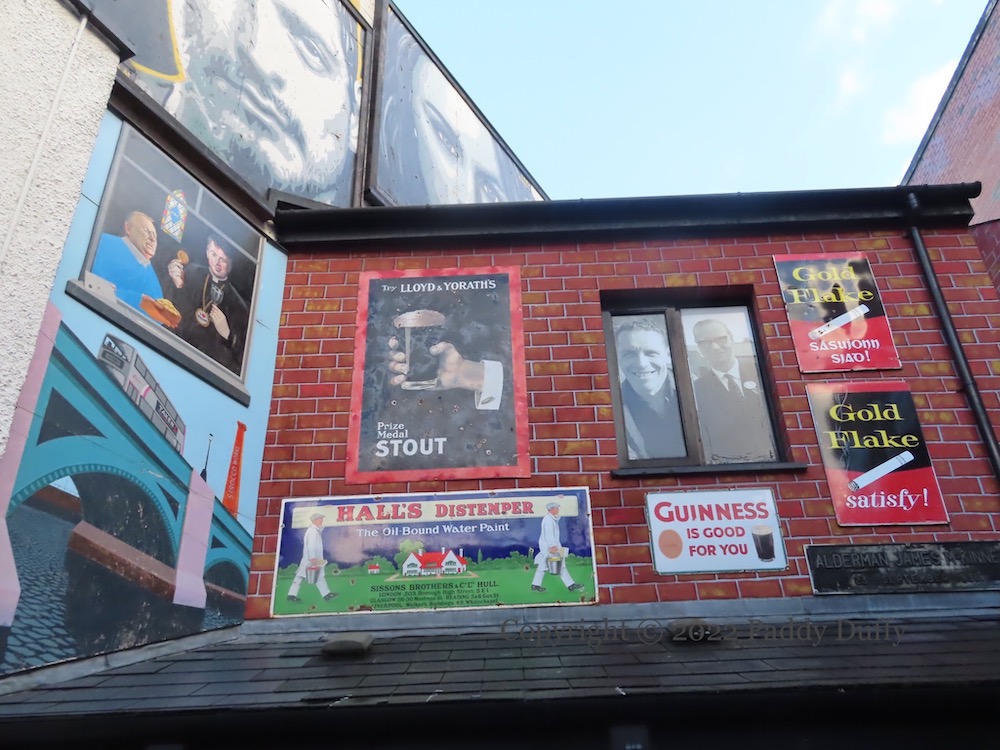
The mural in Joy’s Entry, by London artist Dreph, is based on a portrait painted by William Denton and engraved for the book by Daniel Orme (Dreph | National Portrait Gallery).
For an overview of the anti-slavery movement in Belfast, including Thomas Russell, Olaudah Equiano, and Frederick Douglass, see this William Orr speech (at Slugger).
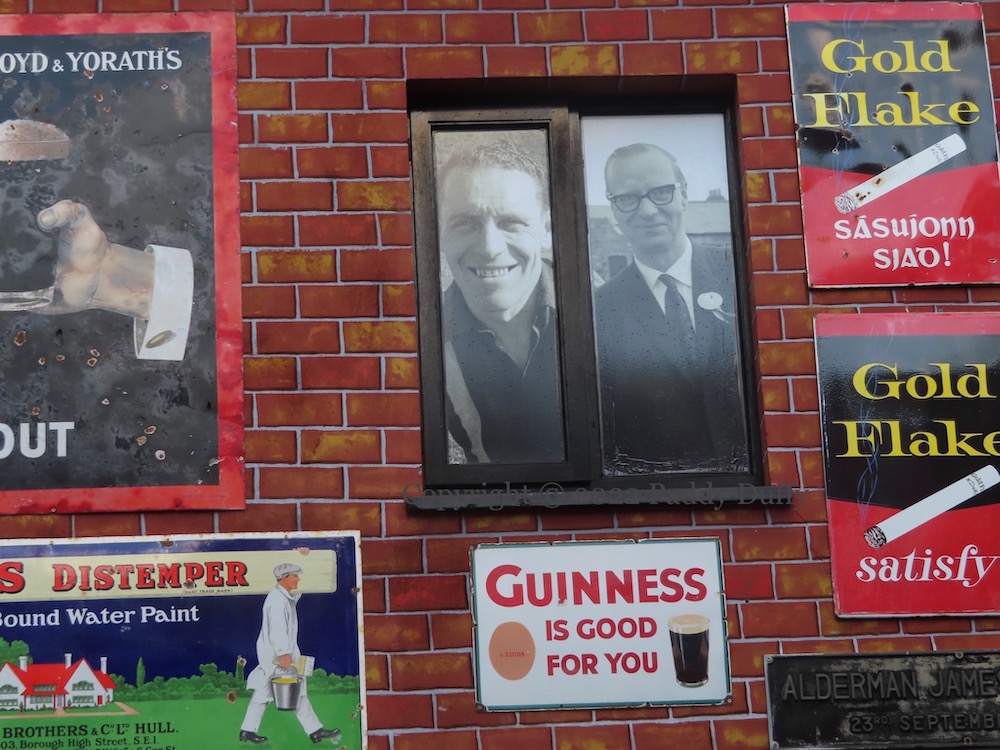
See also the Visual History page on The Belfast Entries.
Click image to enlarge
Copyright © 2023 Paddy Duffy
T01709













 Paddy Duffy Collection