The Pitt Stop

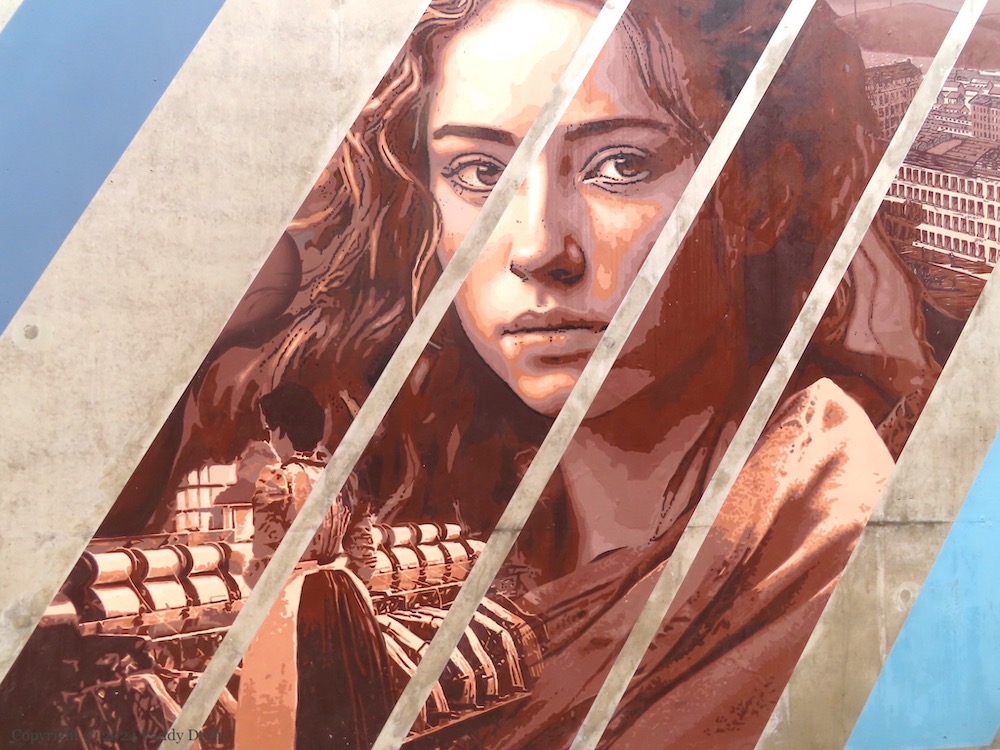
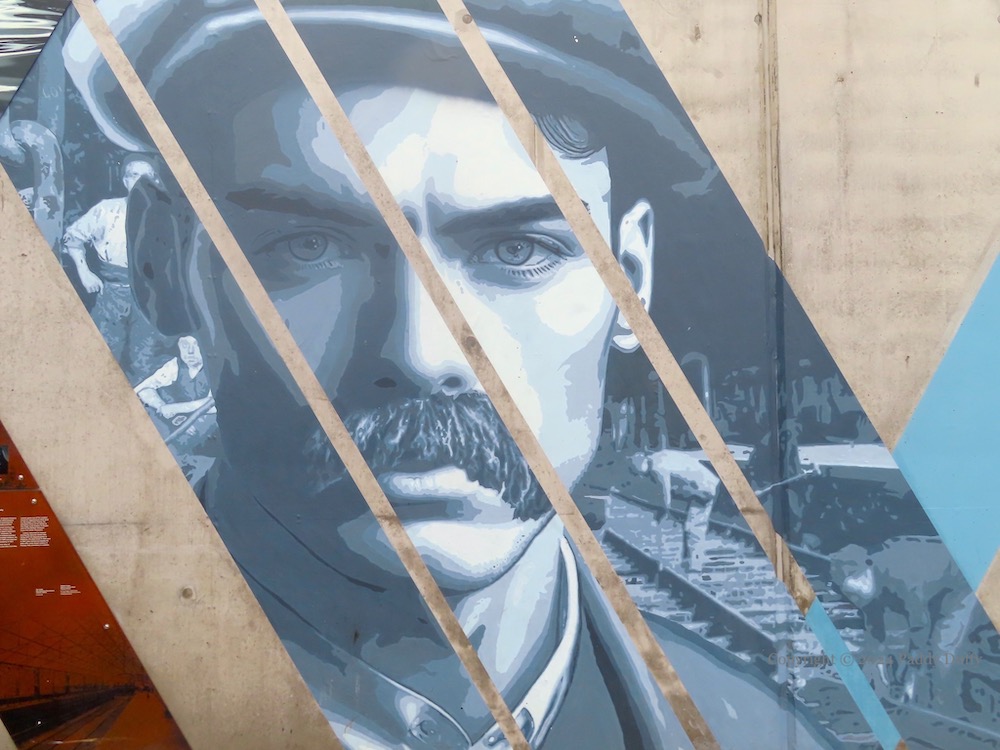
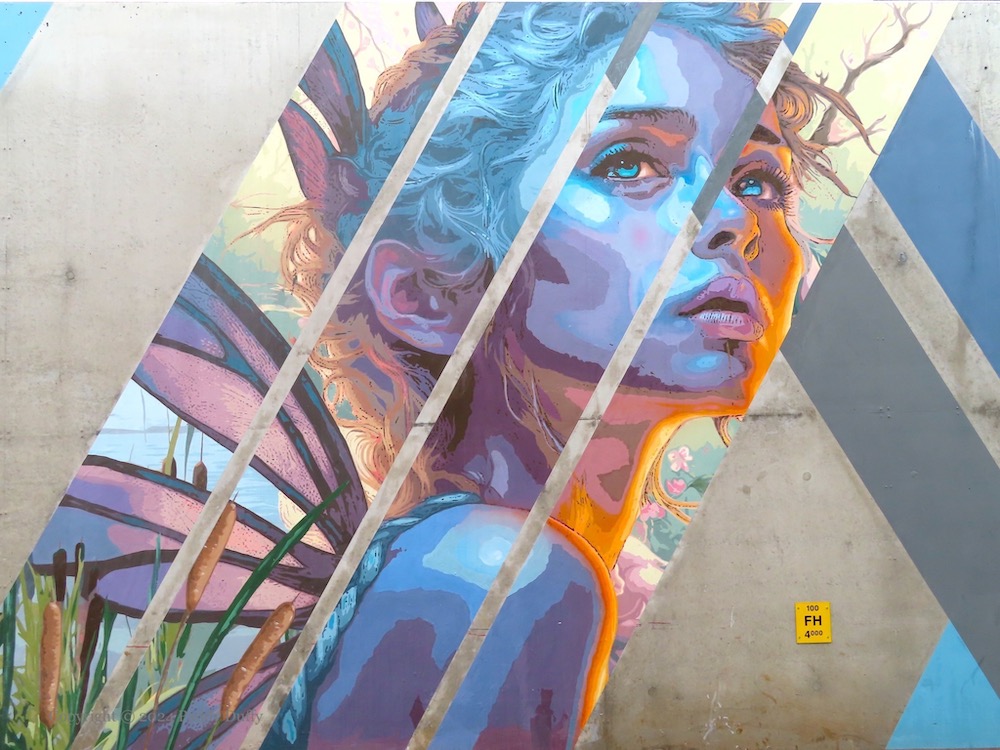
The Pitt Stop caravan is a new community-services centre run by the Residents’ Association (Fb) in Pitt Park, east Belfast, a stone’s throw from the Ballymac Friendship Centre (Fb). The relationship between the two is unclear – this Sunday World article quotes one person as saying the some residents felt themselves excluded from the Centre and that the “good people of Pitt Park” need “access to a facility”. The article also suggests possible connections to the local UVF and to drug-dealing; the Association denounced the write-up in a brief Facebook post.

The Park itself was renovated in 2024 (Belfast Live before | after).

Click image to enlarge
Copyright © 2024 Paddy Duffy
T06002
T06000 [T06001]
Great Northern Railway

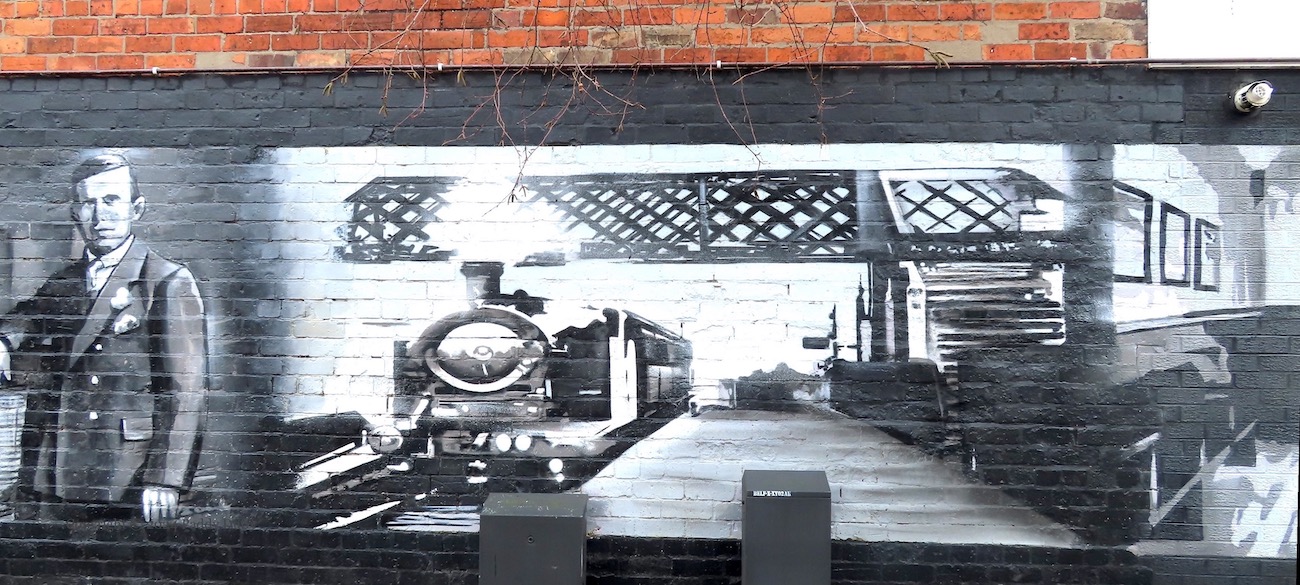
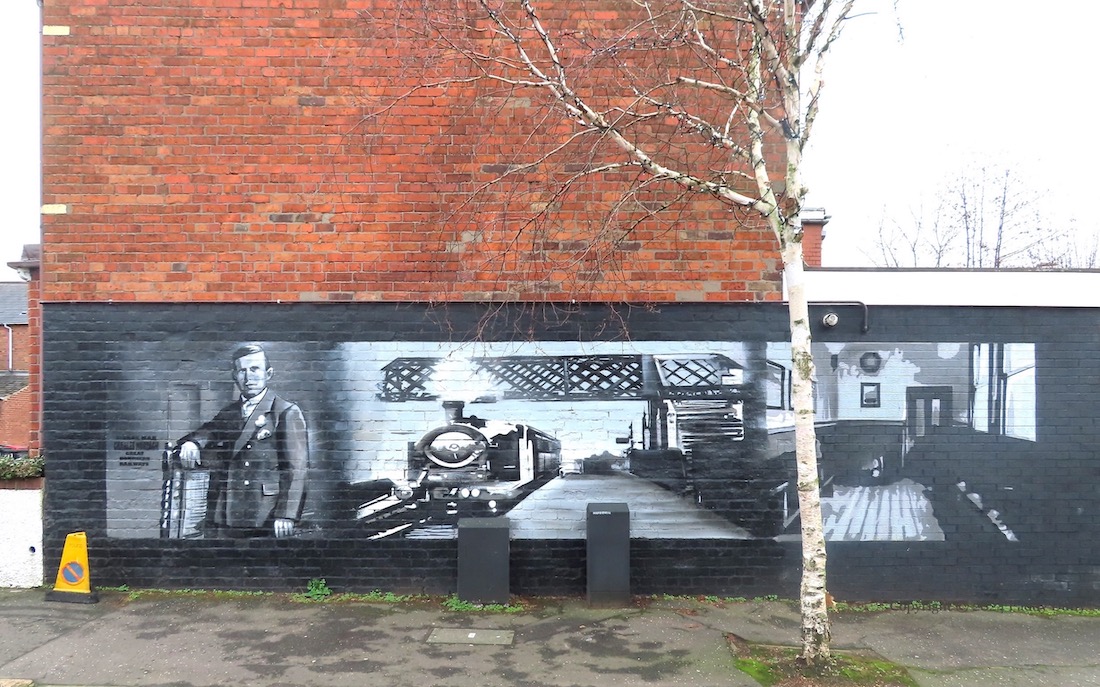
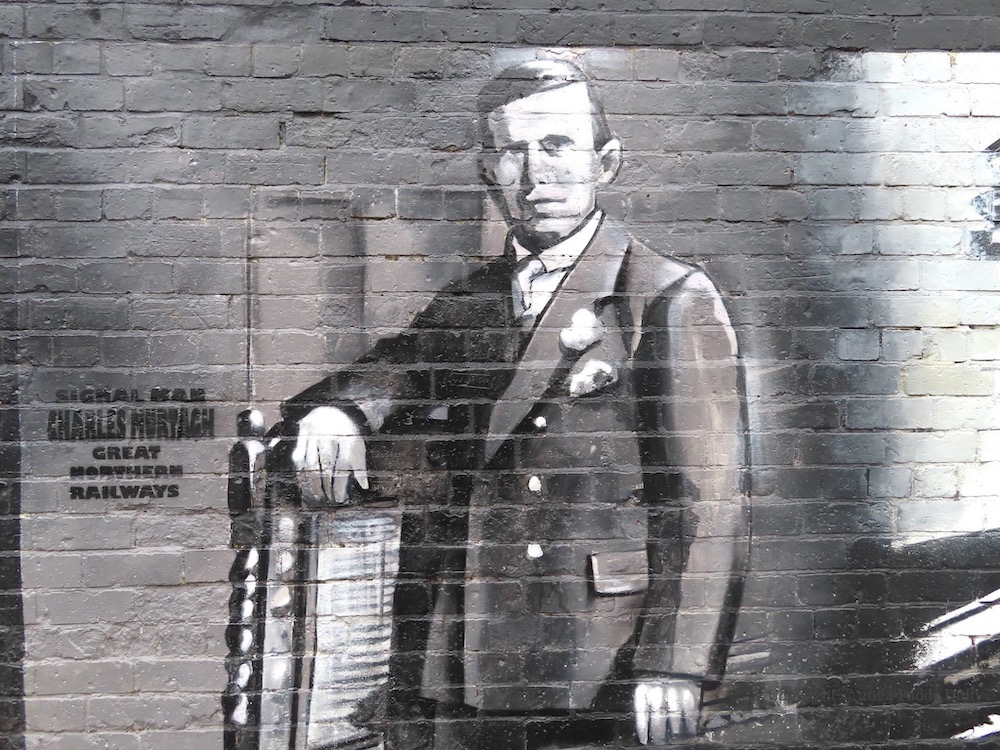
The Great Northern Railway joined Dublin with Belfast, Derry, and Ballyshannon, as well as many other smaller towns. It existed from 1876 until roughly 1958 (WP) and what was then called the “Adelaide & Windsor” station in south Belfast was opened in 1897 (WP) – the name was (presumably) based on the station’s proximity to local streets: the “Adelaide” streets were named for William IV’s consort (Street Names) and the “Windsor” streets were named for Windsor Castle (Street Names).

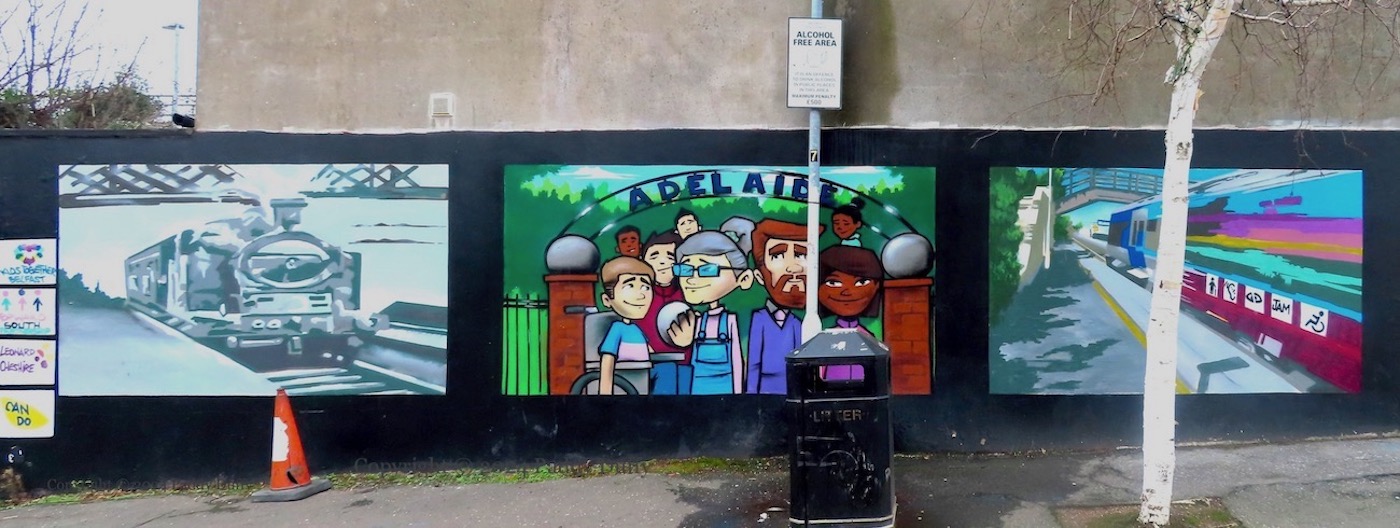
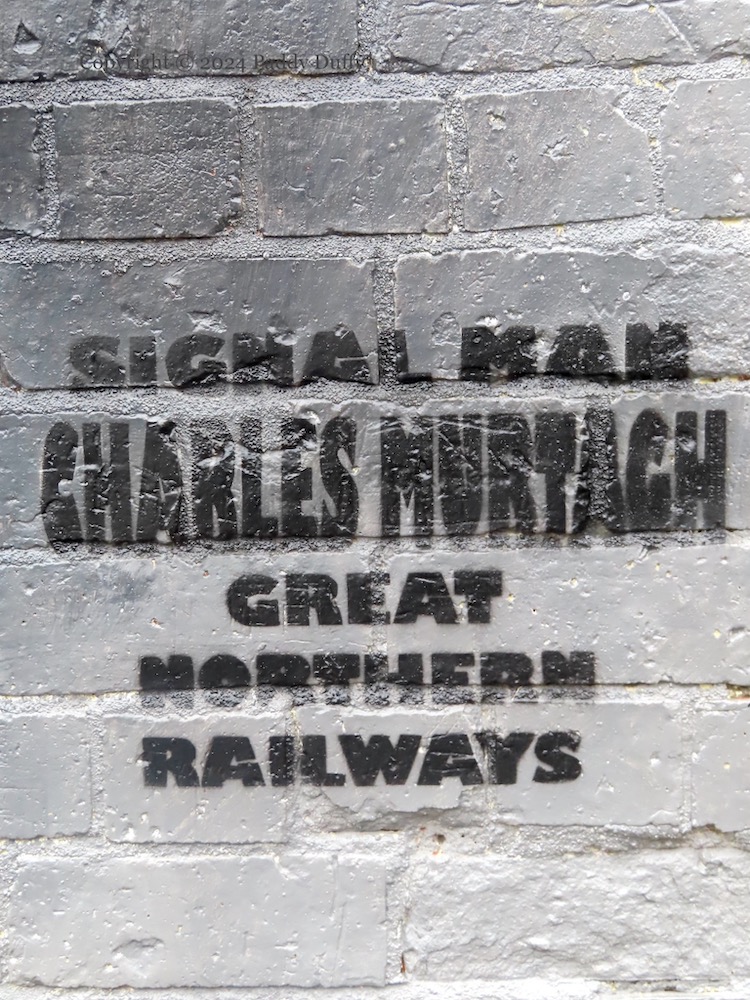
The mural shows the platform and waiting room, and a steam-powered train, and features local signal-man Charles Murtagh. Murtagh’s daughter still lives in the family home, near the station and provided the photograph from which Blaze FX (ig) reproduced (Translink).

Adelaide Avenue, south Belfast.

Click image to enlarge
Copyright © 2024 Paddy Duffy
T05974 T05975 T05977 T05976

Just A Minute

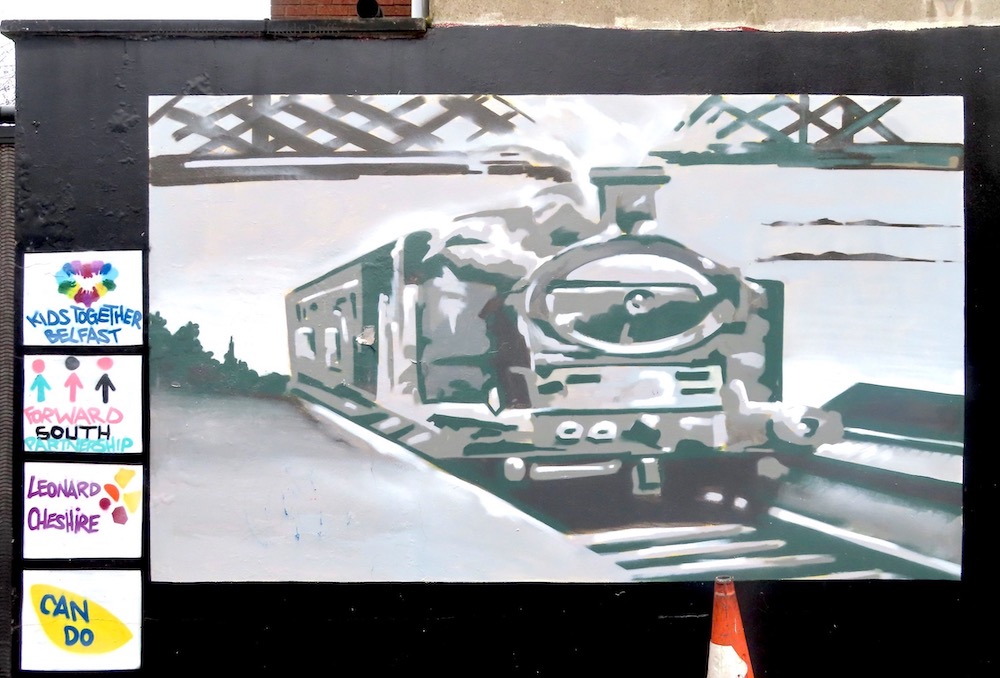
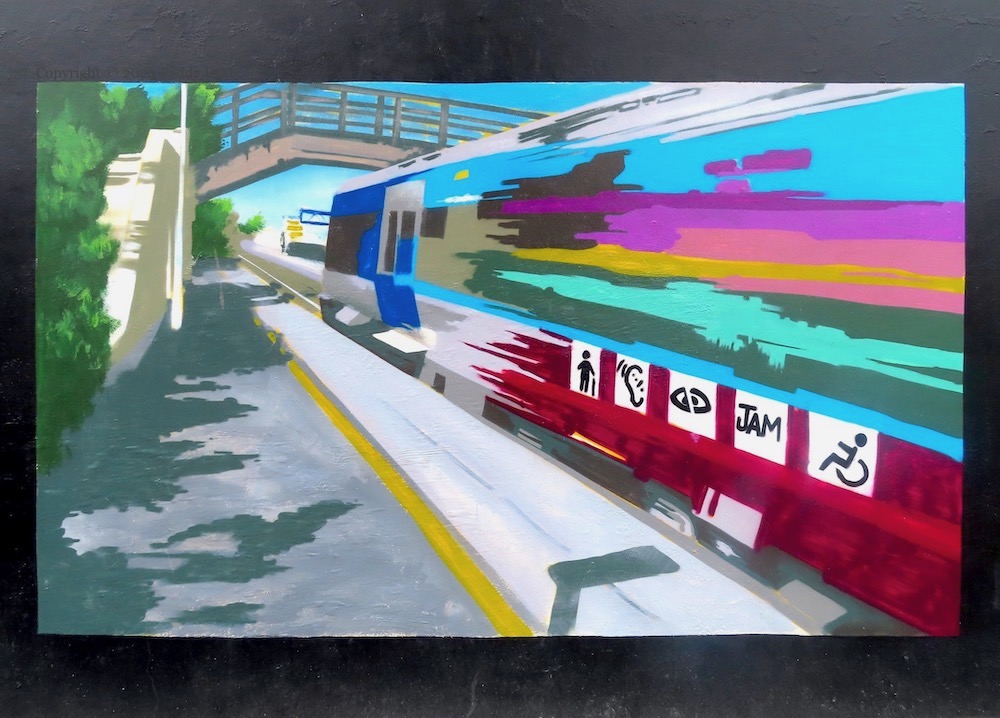
People with learning difficulties and autism who are carrying a “JAM” card (web) (for “Just a minute”) can use it on Translink buses and trains to let drivers and conductors know that they might need some extra time. The other symbols on the side of the train (in the third image, below) denote services for travelers who are visually-impaired, hearing-impaired, blind, or wheelchair-users.

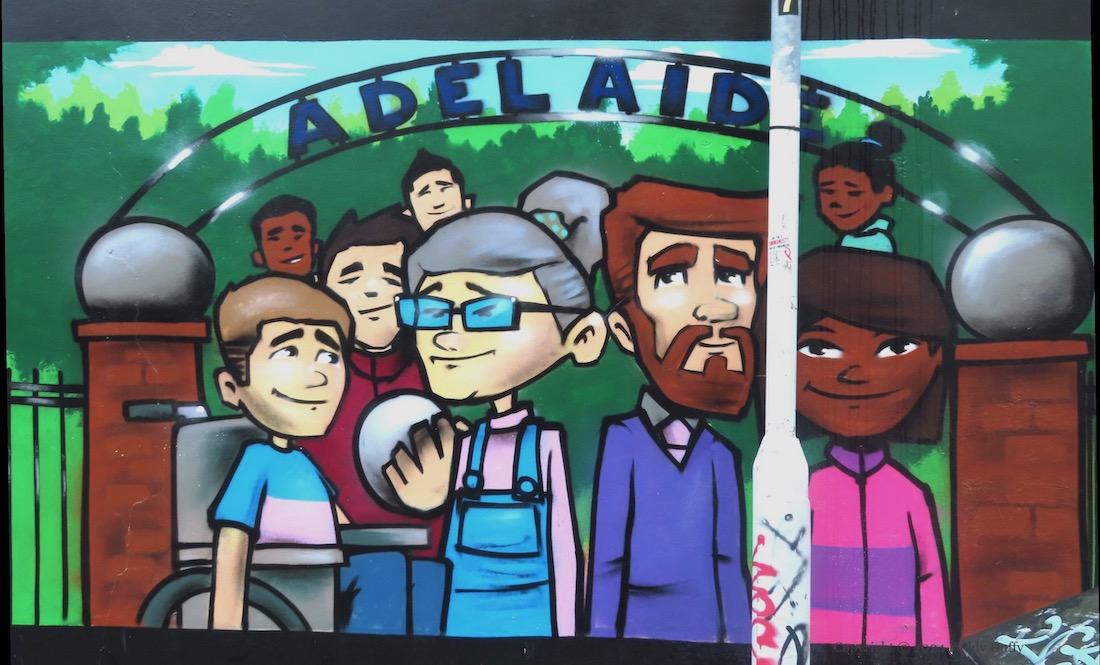
This wall-painting in south Belfast was painted by Blaze FX (ig) with help from young people with disabilities as part of a “Can Do” project (Fb) from Leonard Cheshire (web) and Kids Together Belfast (Fb). With funding from Forward South Partnership (web), Translink, and Belfast City Council (Belfast Live).

In Adelaide Street, opposite Great Northern Railway.

Click image to enlarge
Copyright © 2024 Paddy Duffy
T05978 T05979 T05980 T05981

The Ledley Hall

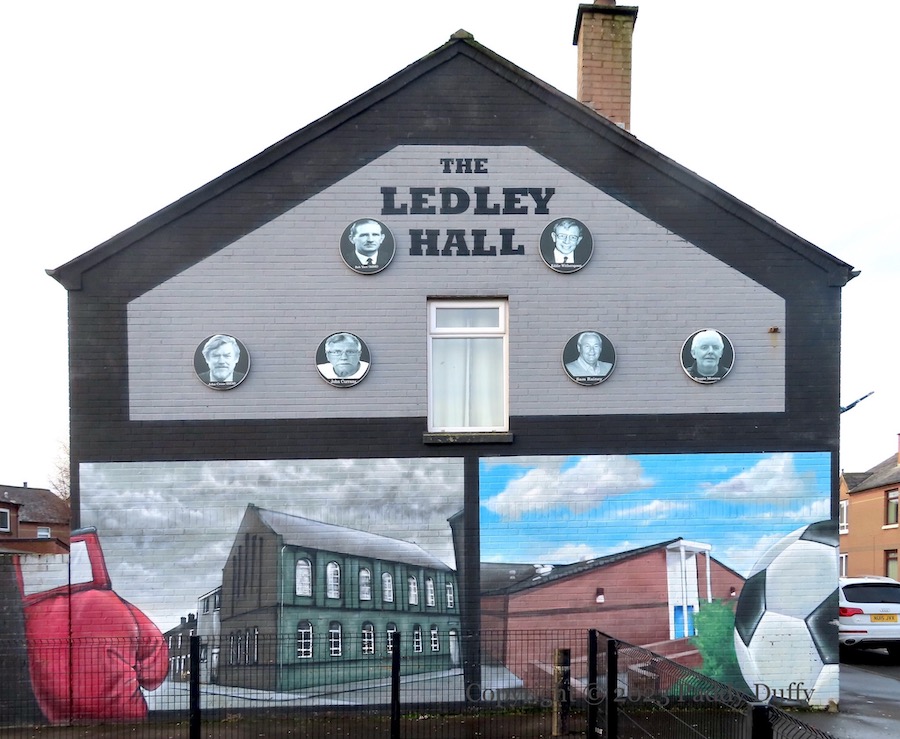
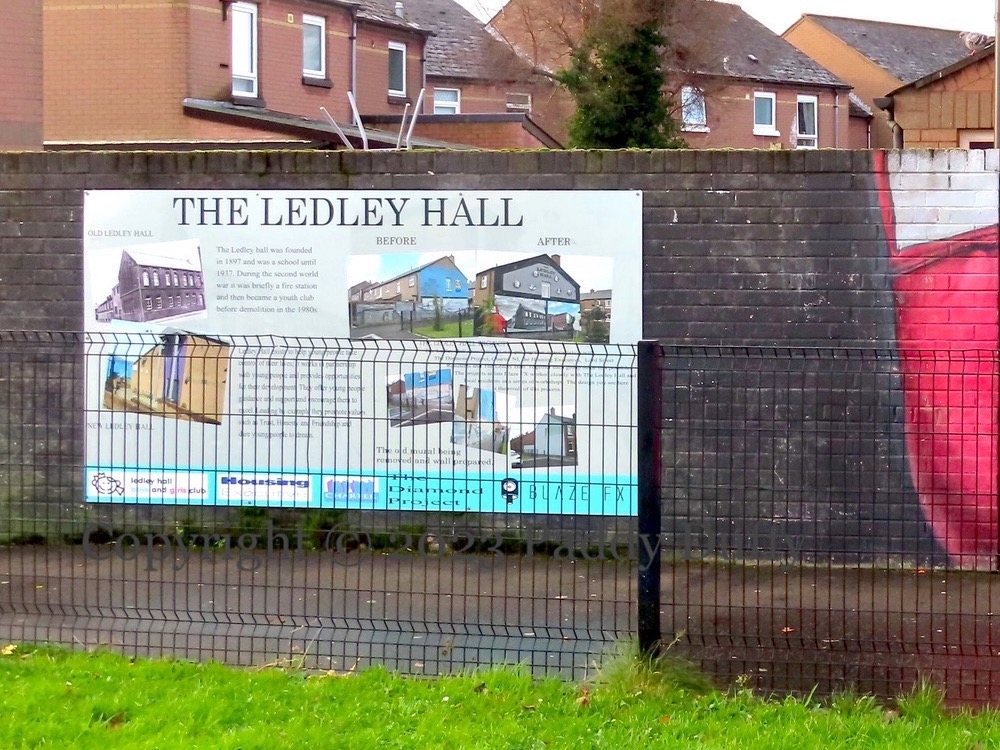
This is a repainting of the Ledley Hall/Queen’s Jubilee mural at the junction with Kingswood Street, part of the 2016 re-imaging of Lord Street, east Belfast, sponsored by the Housing Executive and CharterNI. The mural shows the hall past and present and features local figures Bob Yarr (OBE), Eddie Witherspoon, John Cross (BEM), John Currans, Sam Rainey, and Reggie Morrow.

The ‘Lord Street Remembers’ piece is from 2015, by Glenn Black and Ken Maze of Blaze FX (web).

Click image to enlarge
Copyright © 2023 Paddy Duffy
T03877 [T03878] T03879 [T03880] T03881

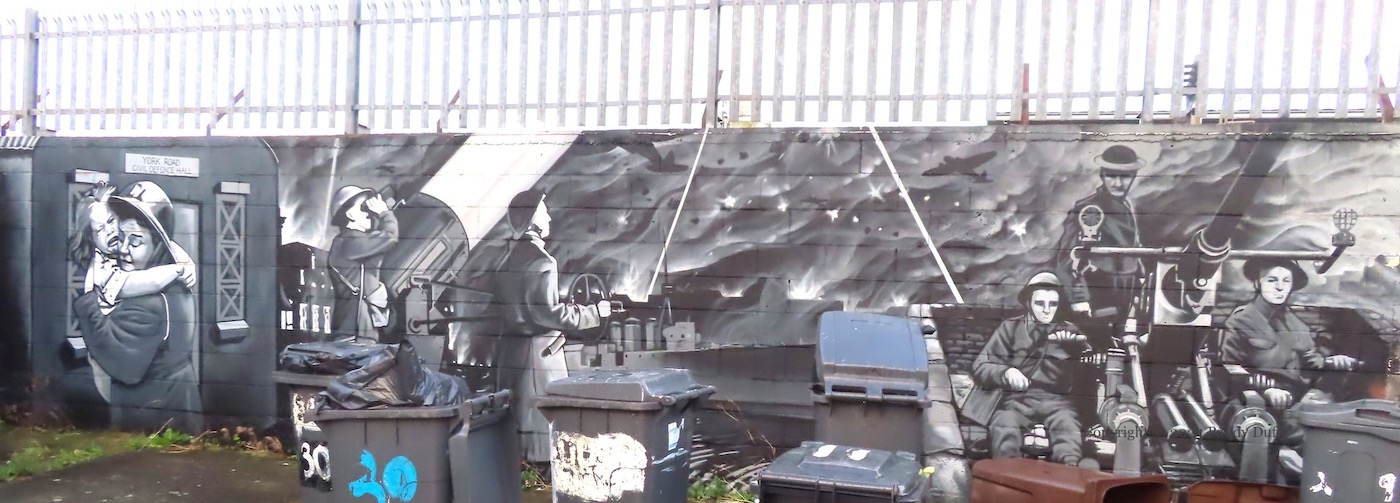
York Road Civil Defence Hall

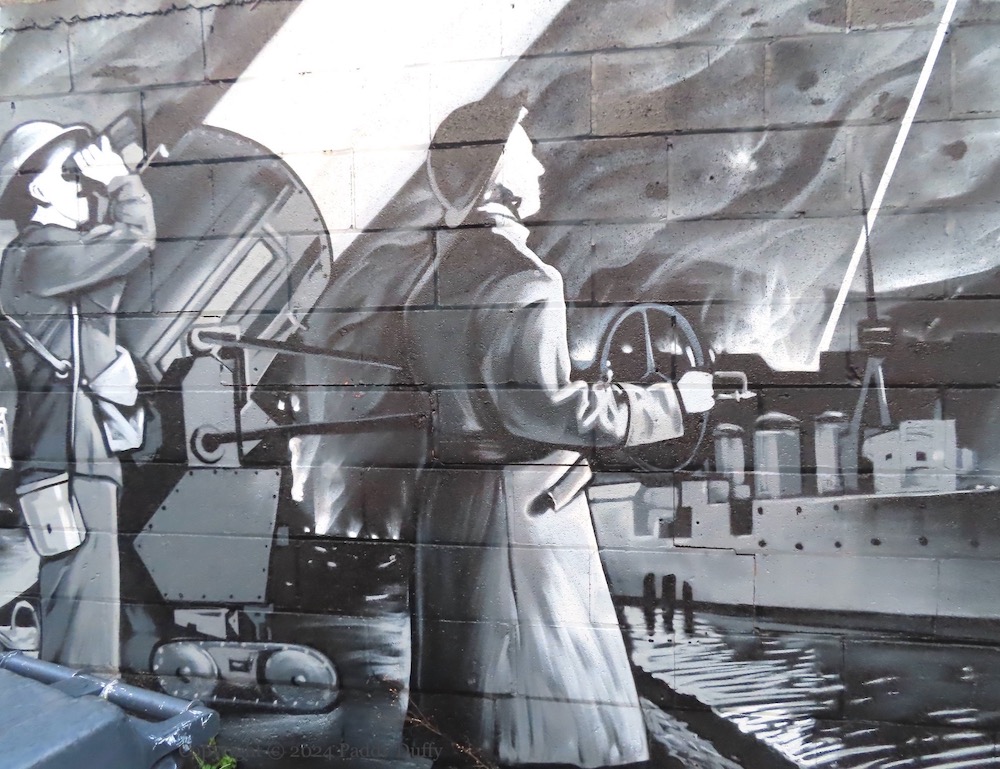
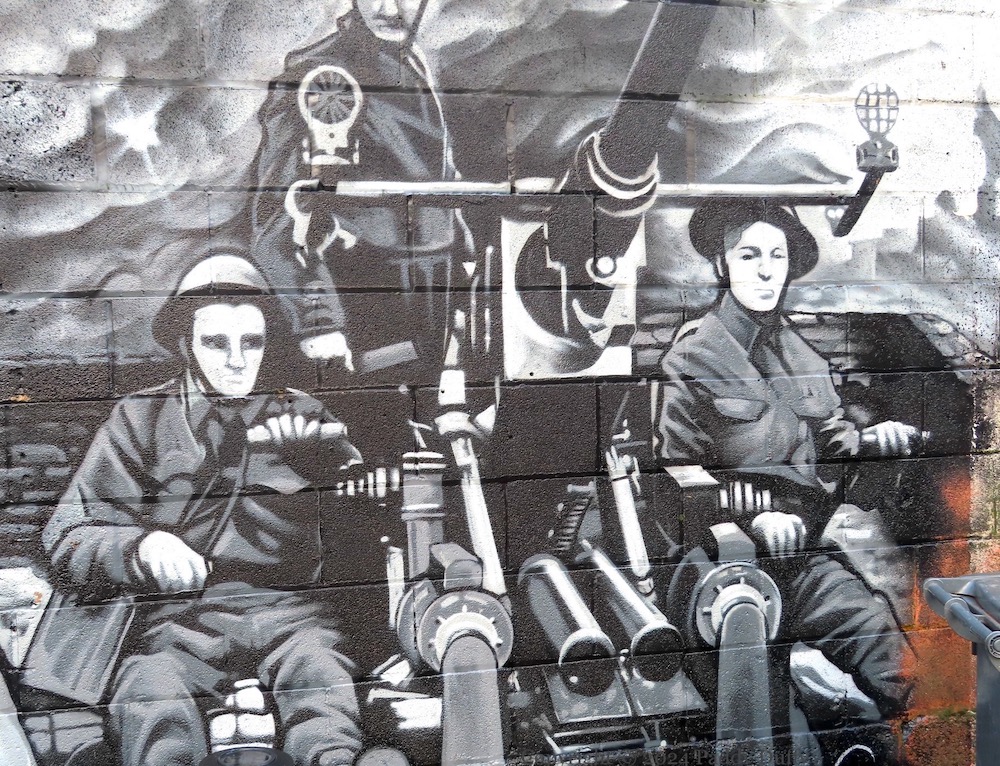
The HUBB community centre (Fb) in north Belfast has, since 2010, been based in what used to be a World War II Civil Defence air-raid shelter, which it cleaned and renovated (Tele). The original hall is depicted in this mural on the side of the HUBB.

In 1940, Belfast was protected by thirty-eight anti-aircraft guns. The German Luftwaffe flew a reconnaissance flight over Belfast on November 30th, 1940 and a test mission of eight planes on April 7th, 1941 concluded that Belfast’s defences were, “inferior in quality, scanty and insufficient” (Hogg). 150 bombers would blitz Belfast the following week, on Easter Tuesday, April 15th, and the seven guns that had been in operation ceased firing, believing, falsely, that RAF planes were also in the sky (WP).

Belfast was bombed by the Germans four times in April and May of 1941. In the blitz of Easter Tuesday, 1941, more than 900 people died, 1,500 were injured, and half the houses in Belfast were damaged (WP). According to Elaine Hogg’s research in the ‘Darker Side Of Belfast’ series, 100,000 people left the city in the remainder of the month, due to shock, fear, and the squalid conditions and unruly behaviour that followed the bombing.

Click image to enlarge
Copyright © 2024 Paddy Duffy
T05962 T05963 T05964 T05965
T05966 T05967

Hurricane Higgins

“Alex “Hurricane” Higgins – World champion 1972/1982 – 18th March 1949 – 24th July 2010″. Higgins grew up in 16 Abingdon Street (Lennon-Wylie) and played snooker at the Jam Pot club further west on Donegall Road (Belfast Forum).

This new mural at the end of what is now Abingdon Drive is by Visual Waste (web) – replacing the older black-and-grey mural.

Click image to enlarge
Copyright © 2024 Paddy Duffy
T05878 T05877

The Memory Of Our Dead

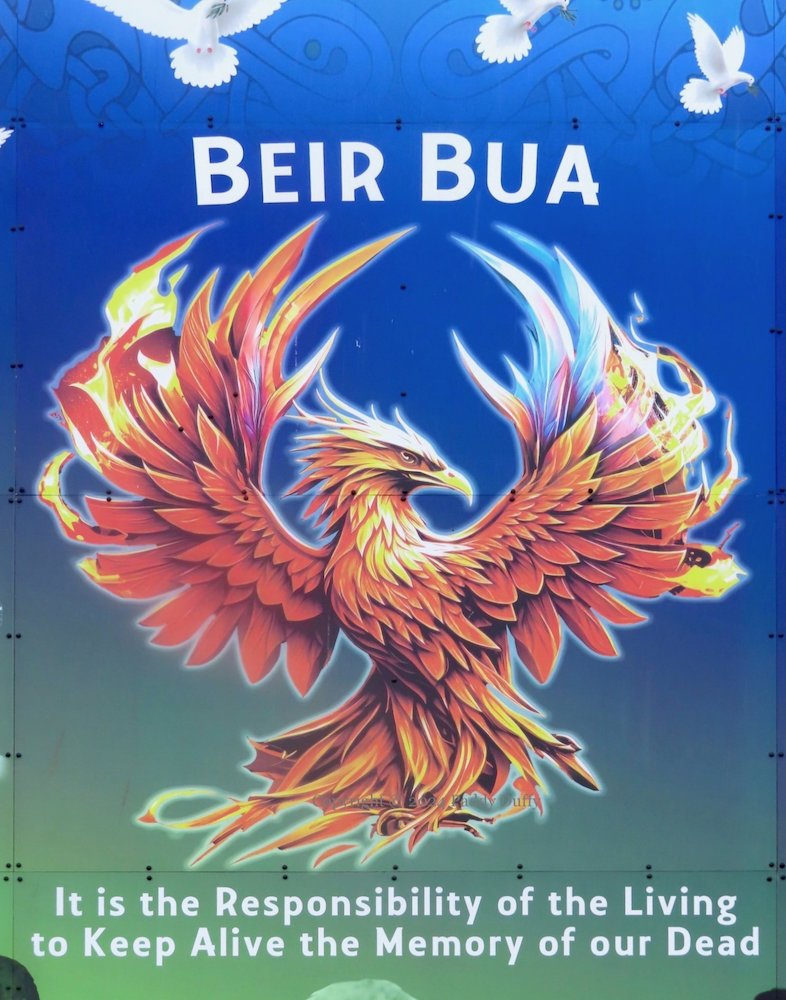
“Beır bua – It is the responsibility of the living to keep alive the memory of the dead.” This is the second ‘Working Class Heroes’ piece in Ballymurphy. The other, from 2014, features Tommy “Toddler” Tolan, who appears here to the left of the phoenix.

The plaque on the right reads “This mural was unveiled by Johnny Doc and Maureen Tolan, 5th November, 2023.” There is video of the launch on Facebook, which contains a reading of the names of all the people pictured from the 1m 57s mark onwards.

Glenalina Crescent, Ballymurphy, west Belfast

Click image to enlarge
Copyright © 2024 Paddy Duffy
T05884 T05883 [T05882]

1st Ranger Battalion

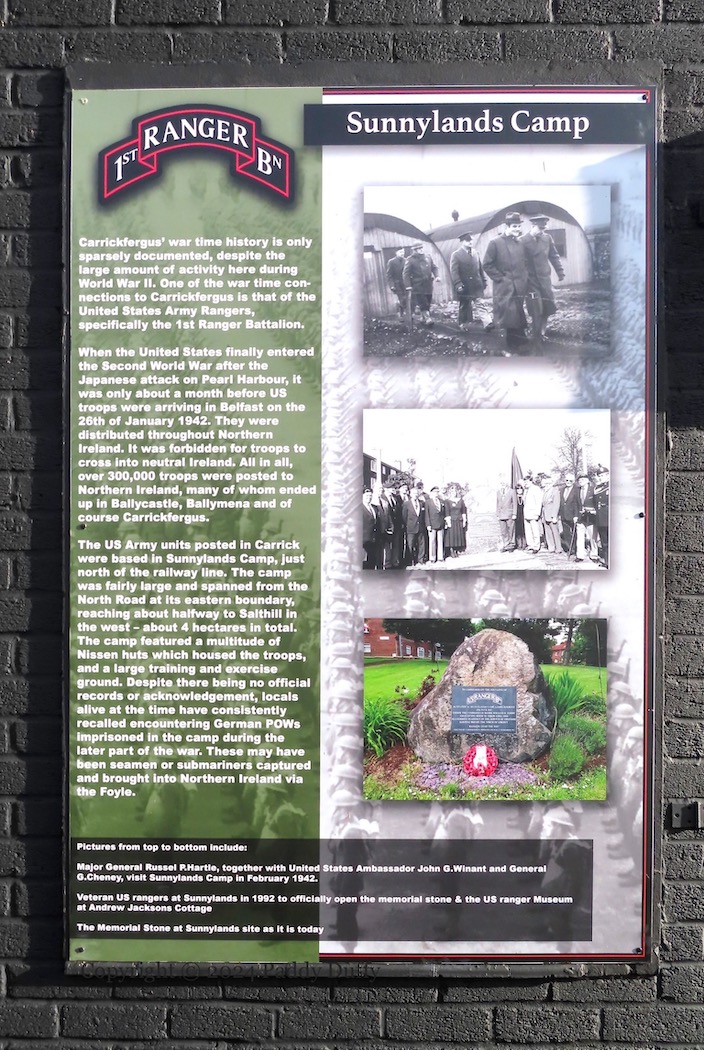
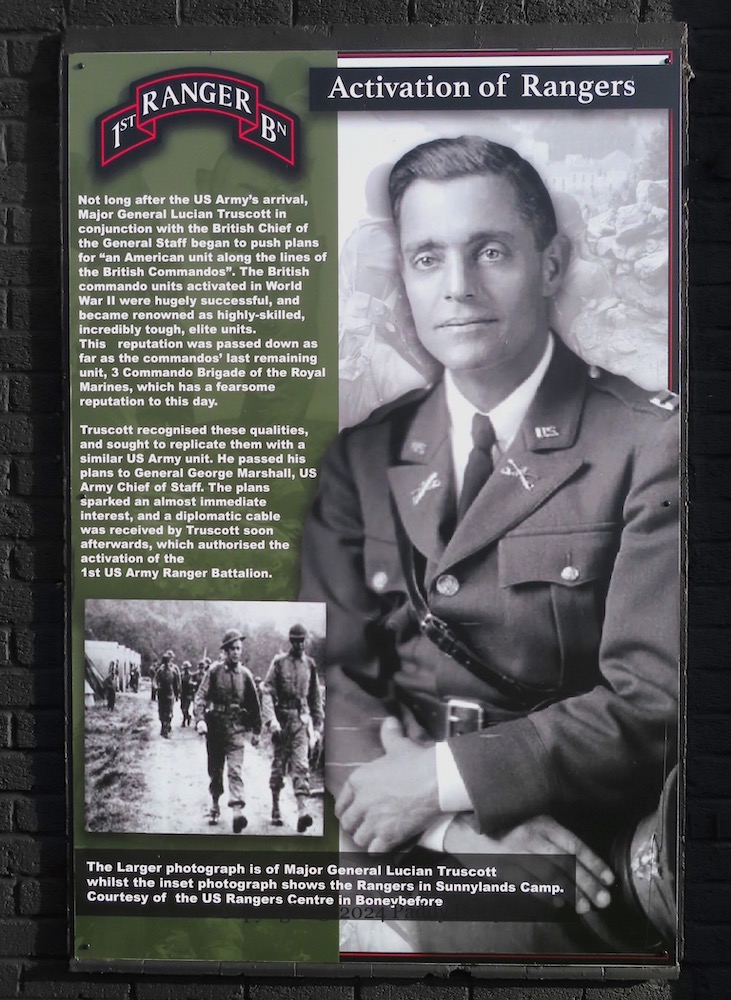
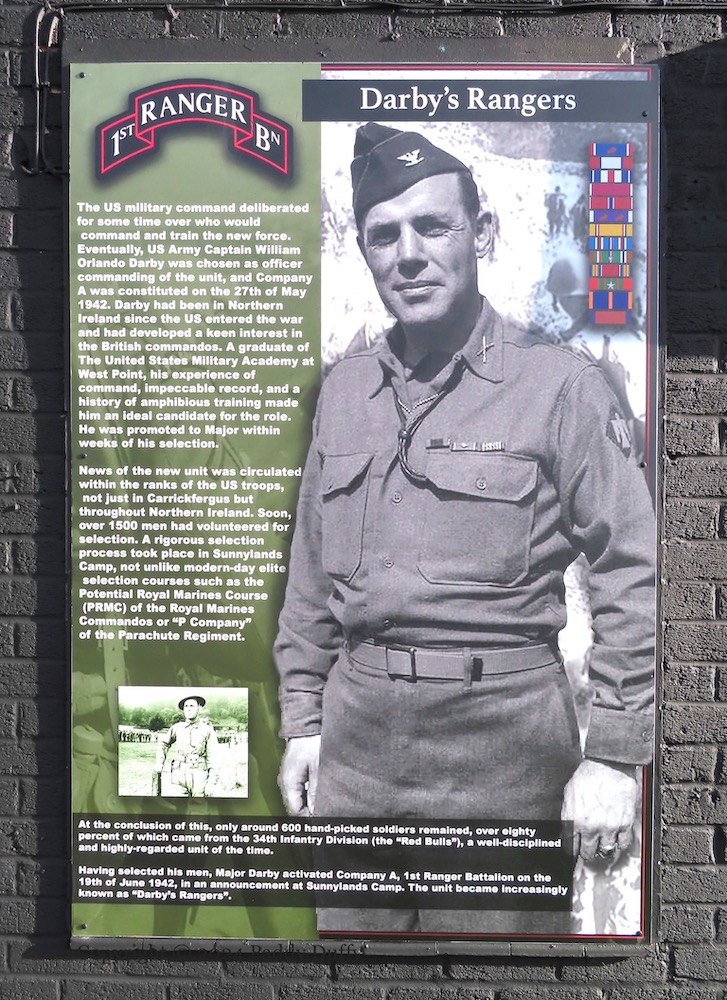
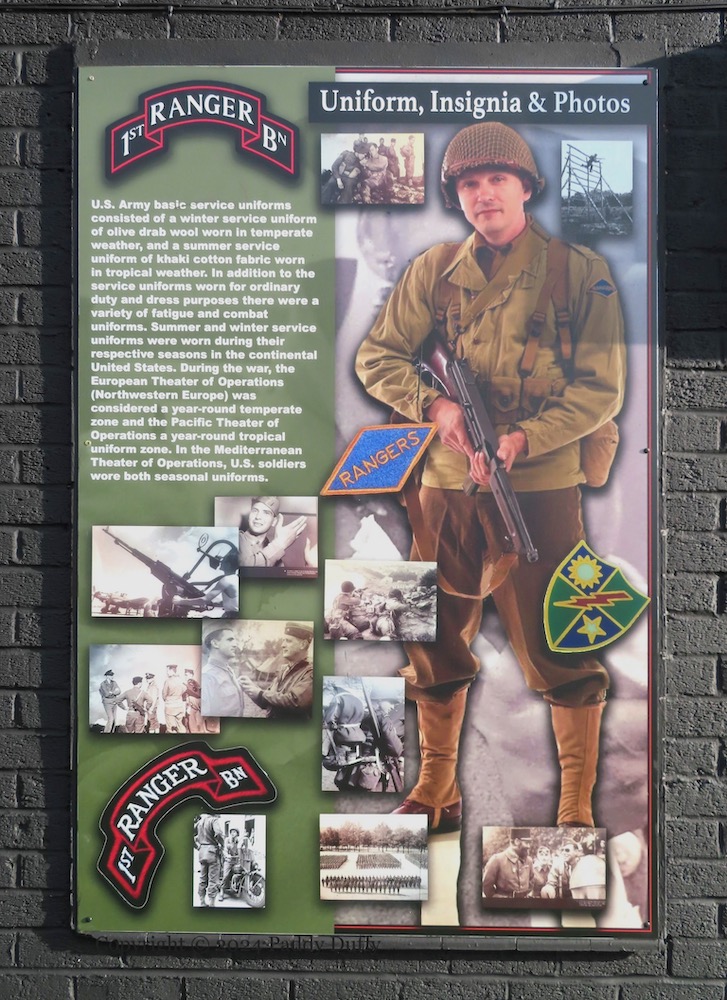
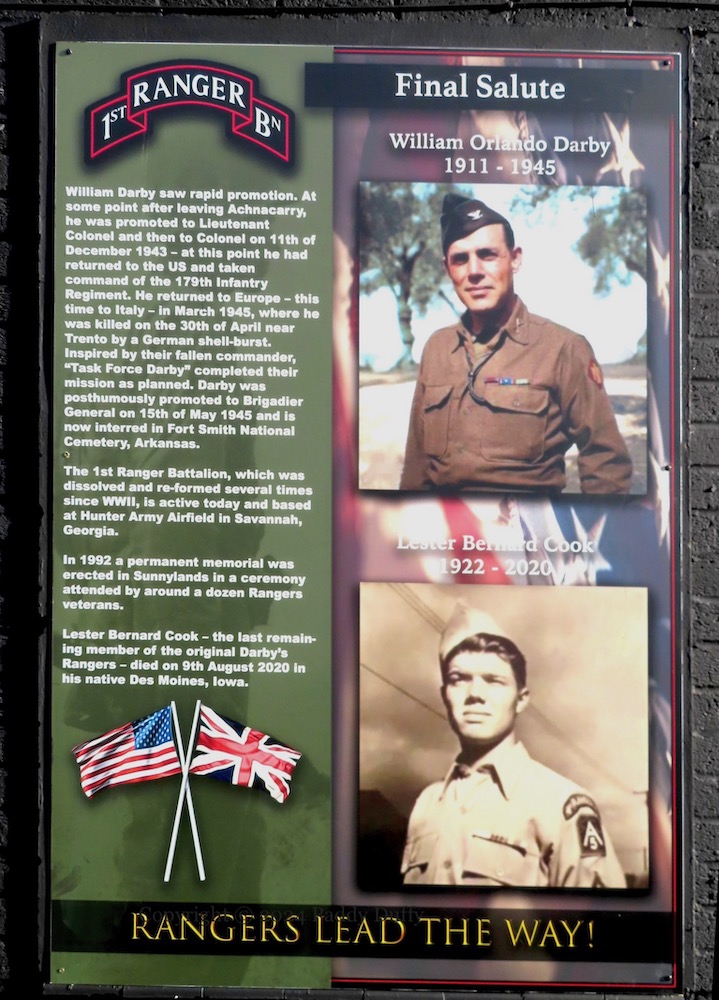
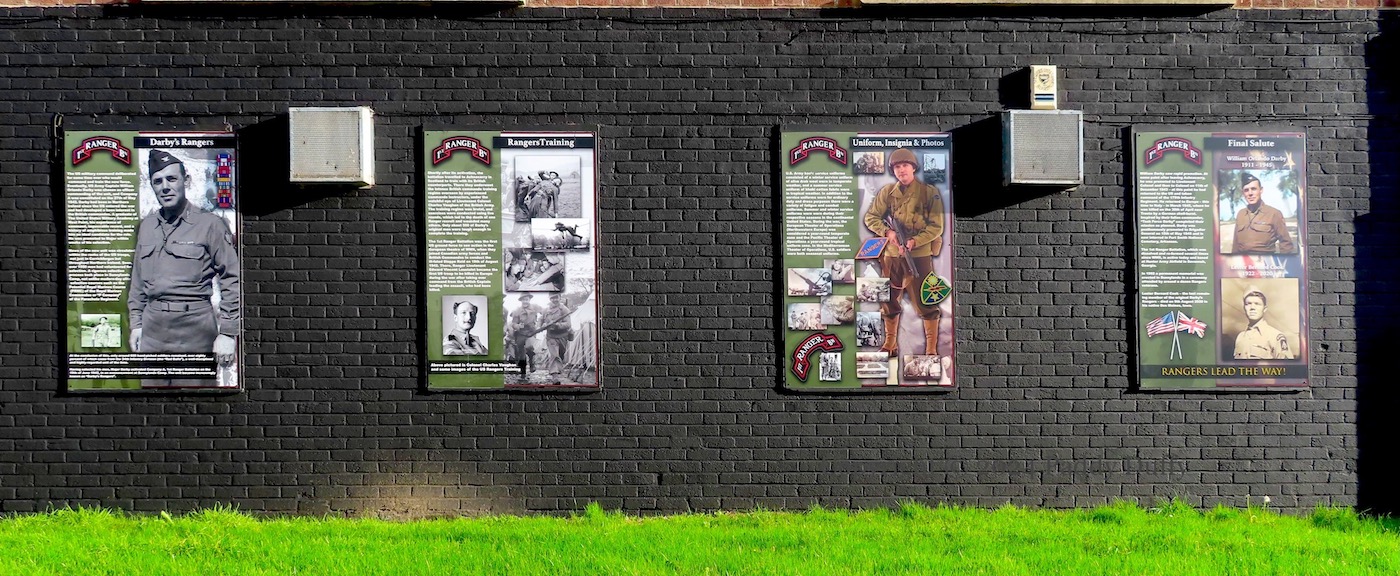
After its entry into World War II on the day after the bombing of Pearl Harbour, (December 7, 1941), troops heading to Europe were stationed in Northern Ireland. The army’s 1st Ranger Battalion — an elite, special-operations, infantry unit — was formed on May 27th, 1942, and 600 soldiers, mostly from the 34th Division, were chosen from 1,500 volunteers by Captain (and then Major) William Darby (WP); Darby is shown in the third board. The unit was activated on June 19th, 1942, at the Sunnylands Camp in Carrickfergus (Wartime NI). The Rangers trained with British commandos at Achnacarry, Scotland, before seeing action (WWII Rangers) – the commando monument there was featured in a Red Hand Commando mural in Rathcoole.

These informational boards are on the side of the Sunnylands shops. There is also a memorial stone (Atlas Obscura) at the junction of Sunnylands Avenue and North Road, where the gates to the camp were located.

Click image to enlarge
Copyright © 2024 Paddy Duffy
T05850 T05851 T05852 T05853 T05854 T05855 T05856

Action At A Distance

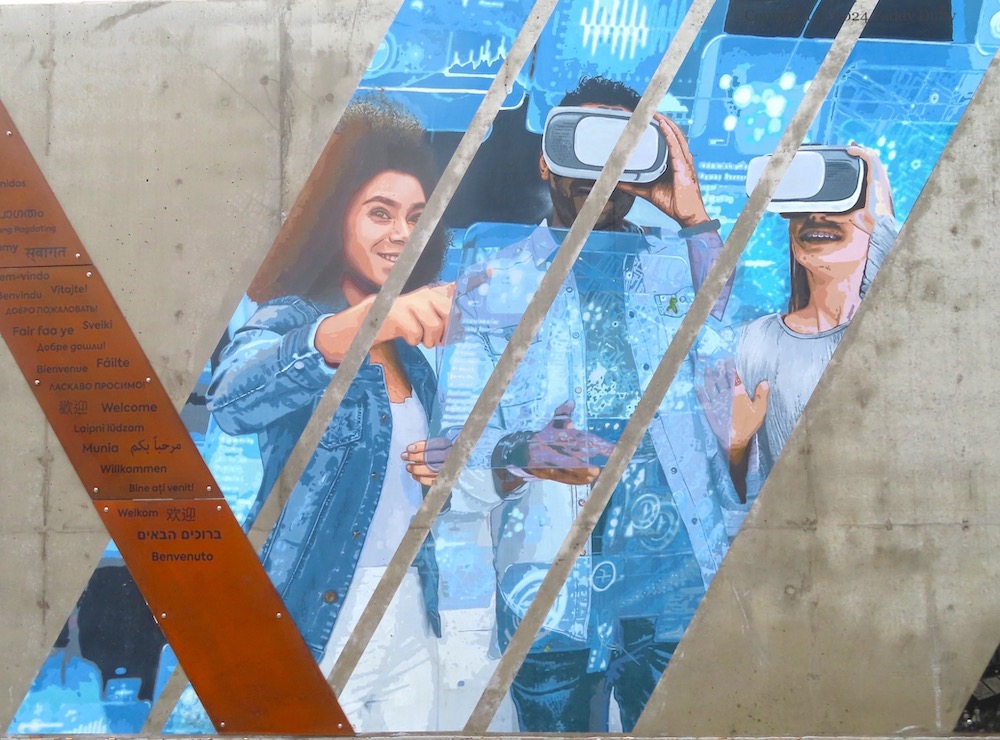
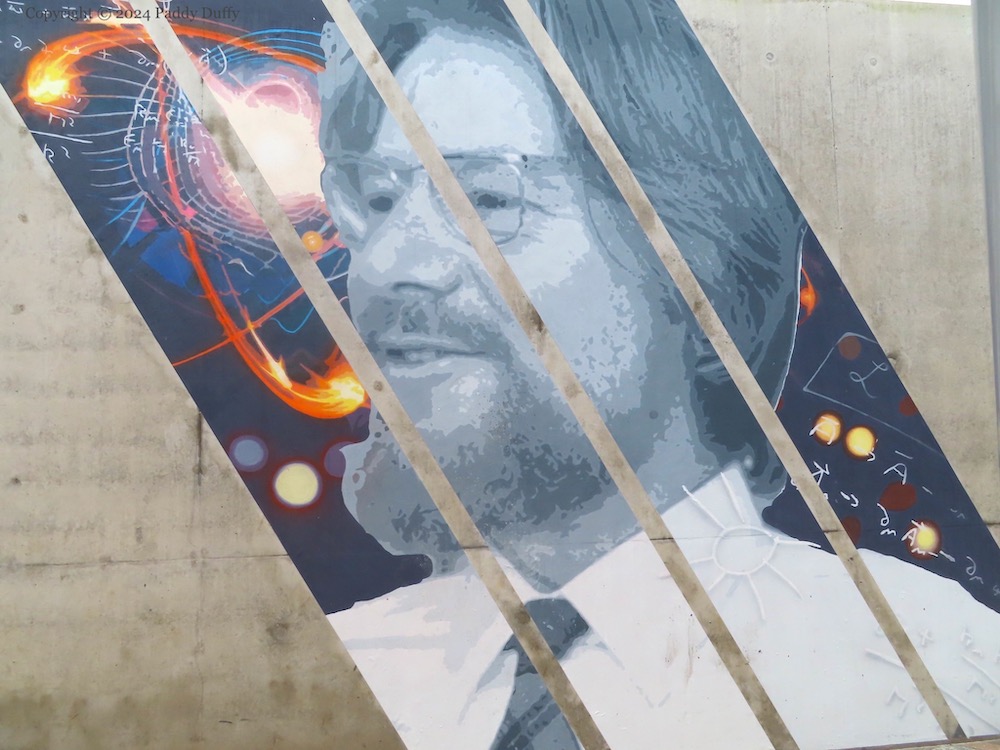
The new Grand Central Station opened at the beginning of September, replacing both Victoria Street train station and the Glengall Street bus station. The artwork outside the station (shown here) was completed by Dee Craig (Fb), depicting the rail-yards and mills of old Belfast, and physicist (and Belfast native) John Stewart Bell (WP).

One knock-on effect of the new station was that the tracks begin west of the Boyne Bridge and it is due to be dismantled – see Battle Of The Boyne Bridge.

Click image to enlarge
Copyright © 2024 Paddy Duffy
T05845 T05846 T05847 T05848 T05849

Mystery Man

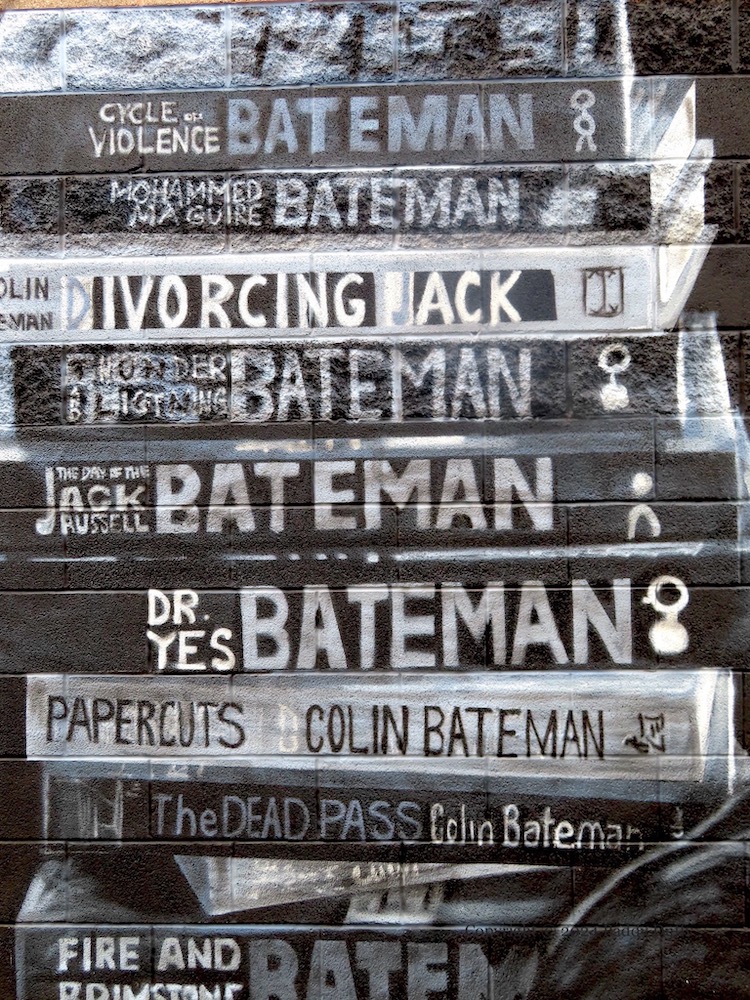
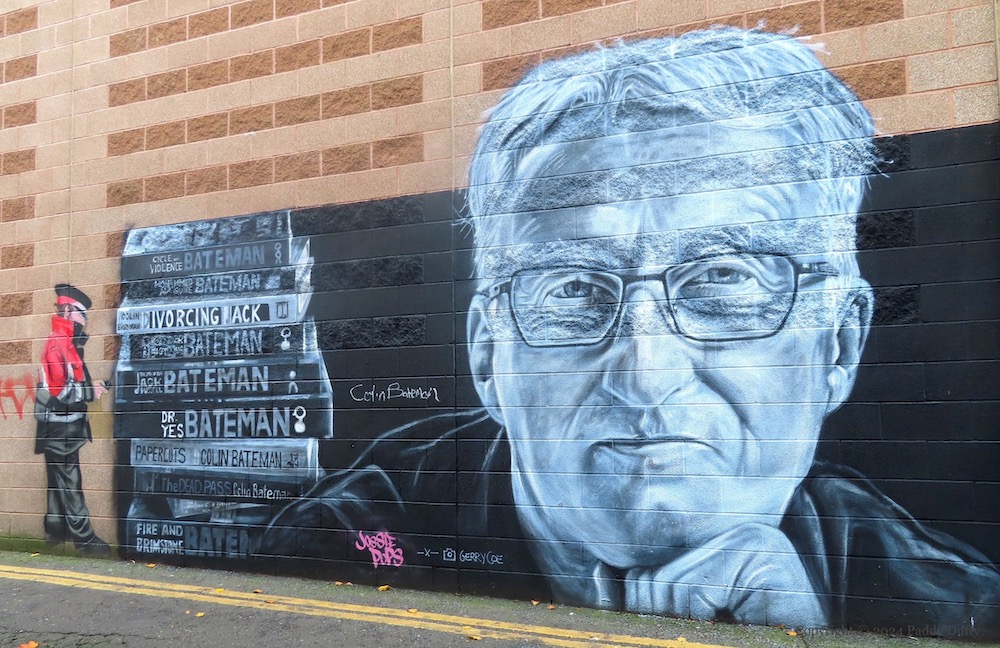
Bangor artist Jossie Pops (web) painted Bangor photographer Gerry Coe’s portrait (ig) of Bangor author Colin Batemen. Ten of Bateman’s books are stacked to the left, from 1995’s Divorcing Jack to 2022’s Thunder And Lightning.

Mill Row, Bangor, opposite irony’s ‘crab attack’ street art.

See also: Apocalypse Mime.

Click image to enlarge
Copyright © 2024 Paddy Duffy
T05779 T05778 T05781 T05780 T05782
T05776 T05777