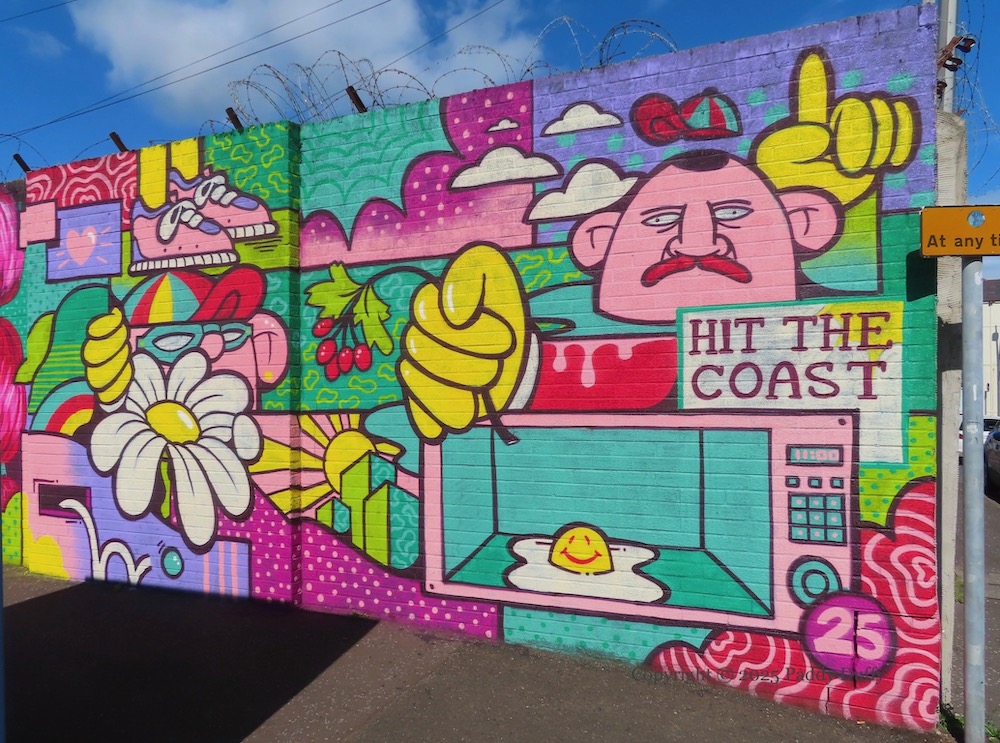
Latharna House – the last remaining of three tower-blocks in Larne – is still standing, despite plans to demolish it in 2022 (Belfast Live) and in 2024 (NI World) and in 2025 (NI World). While awaiting its ultimate demise, it serves as a canvas for writers (including AKSEL and ANCO) and an advertising hoarding for the recent Hit The Coast festival – full gallery here.
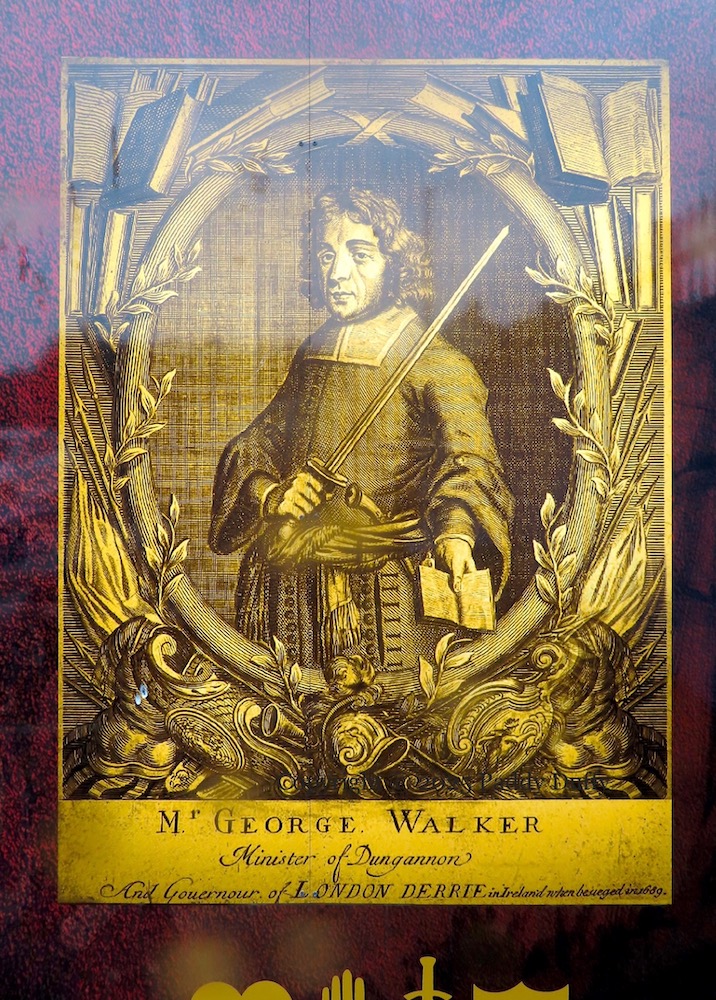
“Mr George Walker, Minister of Dungannon and Gouernour of London Derrie in Ireland when besieged in 1689.” Walker evacuated from Dungannon after Lundy’s troops pulled out and became joint governor of Derry after Lundy’s authority collapsed, first with Henry Baker and later with John Mitchelburne.
Walker put himself at the centre of his own “True Account Of The Siege Of London-Derry” (which can be read at archive.org) and drew criticism for minimising the role of Presbyterians (Walker was Anglican/CoI).
After the siege, Walker went on a victory tour of Scotland and England; while in London, he argued against a Derry trial for Lundy, on the ground that Lundy still had support there. He returned to Ireland in time to greet William III in June 1690 when William travelled from Carrickfergus to Belfast (see June 14th, 1690) and he went south with William to the Boyne, where he was shot and killed. (DIB | DIB | WP)
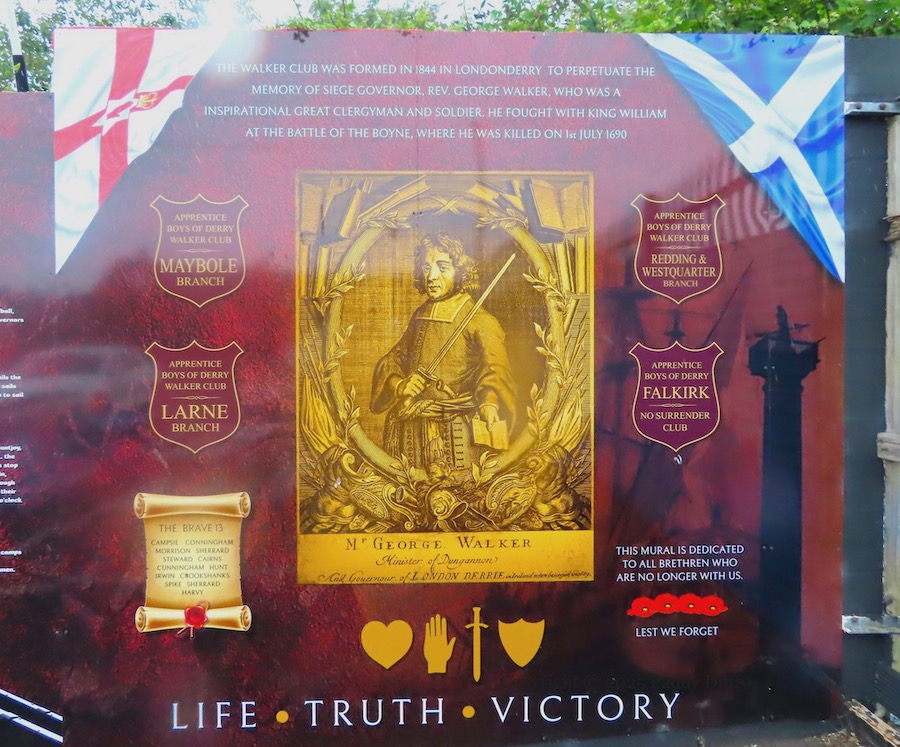
“The Walker Club was formed in 1844 in Londonderry to perpetuate the memory of siege governor, Rev. George Walker, who was a[n] inspirational great clergyman and soldier. He fought with King William at the Battle of the Boyne, where he was killed on 1st July 1690.”
The image of Walker is a line-engraving by John Savage, viewable at Sinclair Genealogy. “Life, truth, victory” is a translation of Londonderry’s Latin motto “Vita, veritas, victoria”.
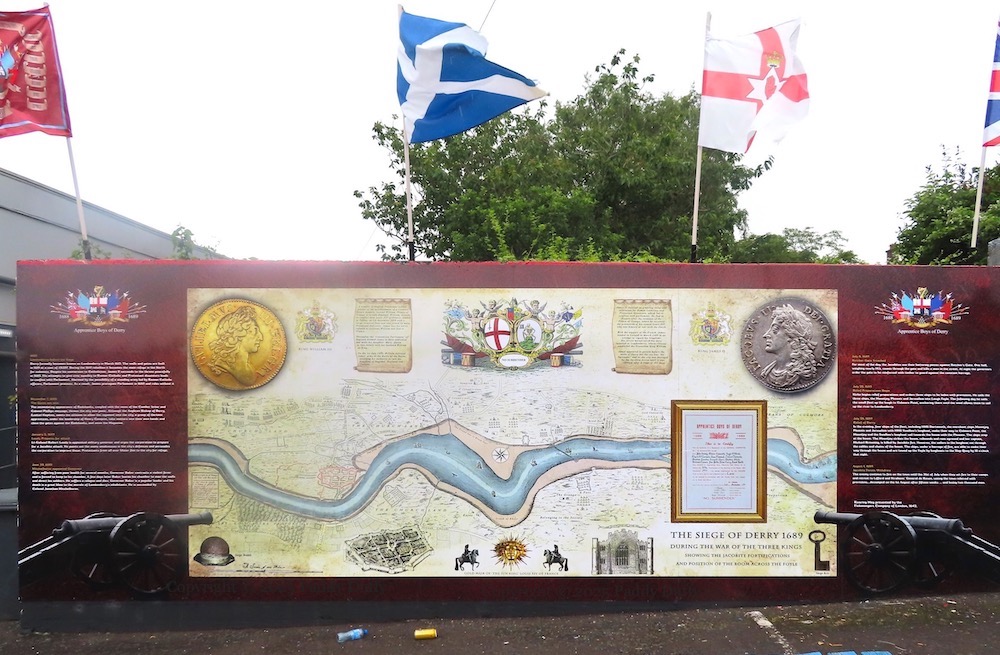
These new boards are at the Rangers Supporters’ Club (Fb) in Boyne Square/Greenland, Larne.
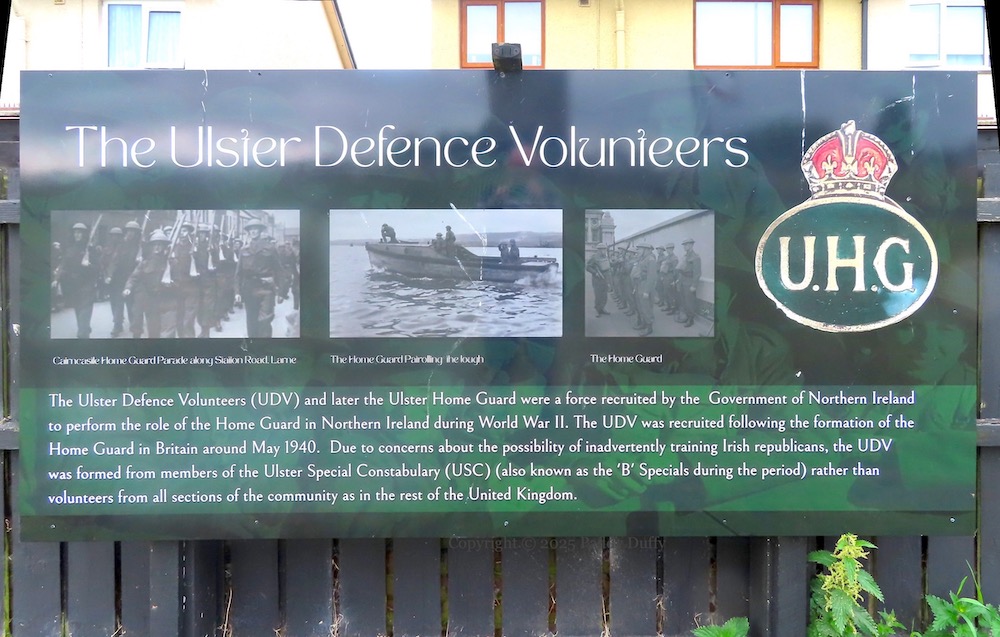
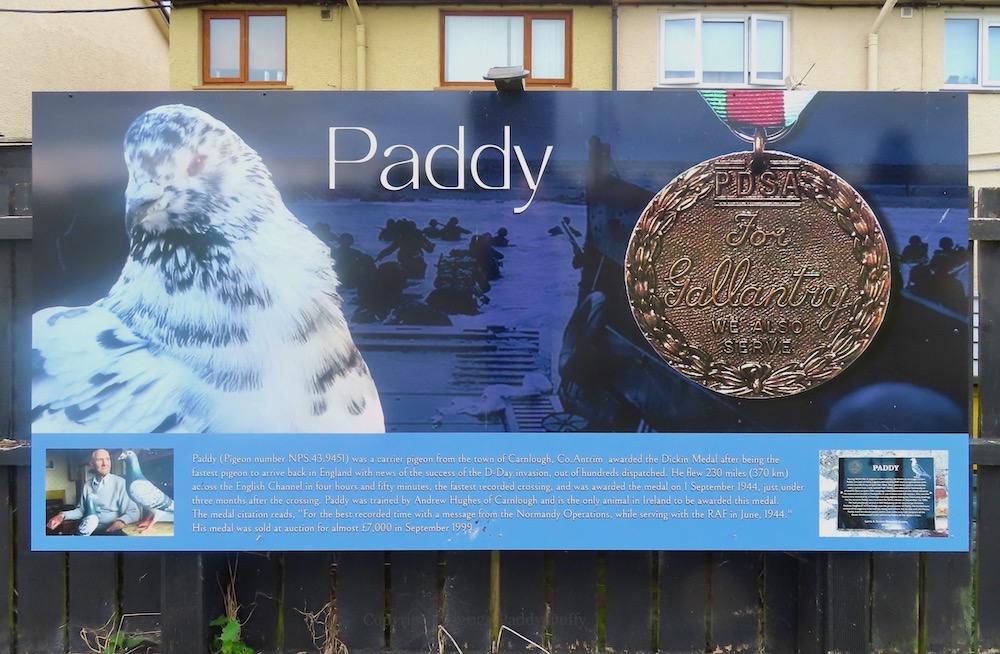
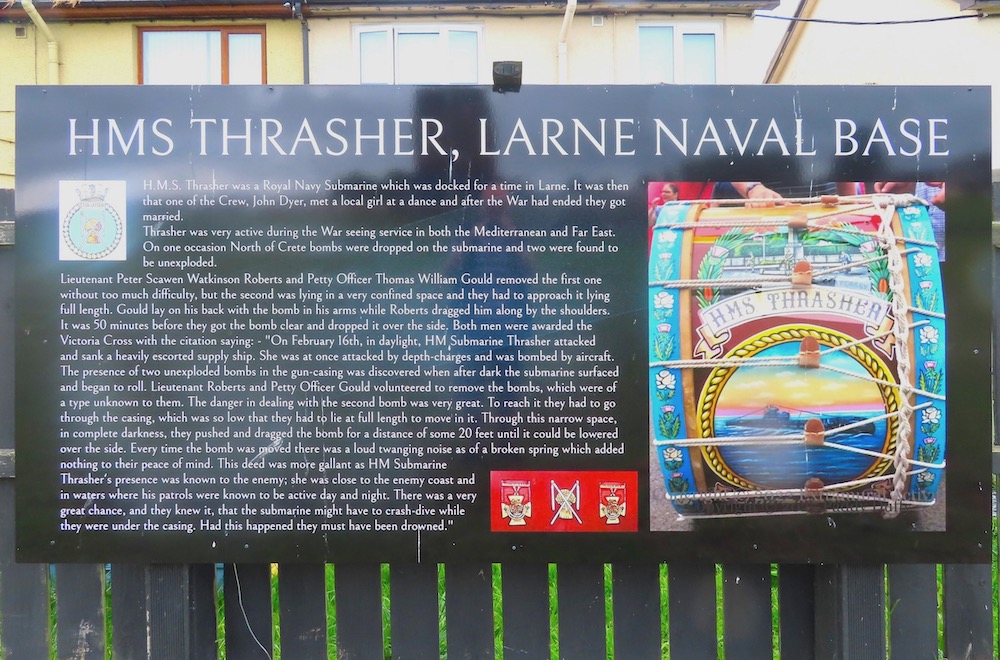
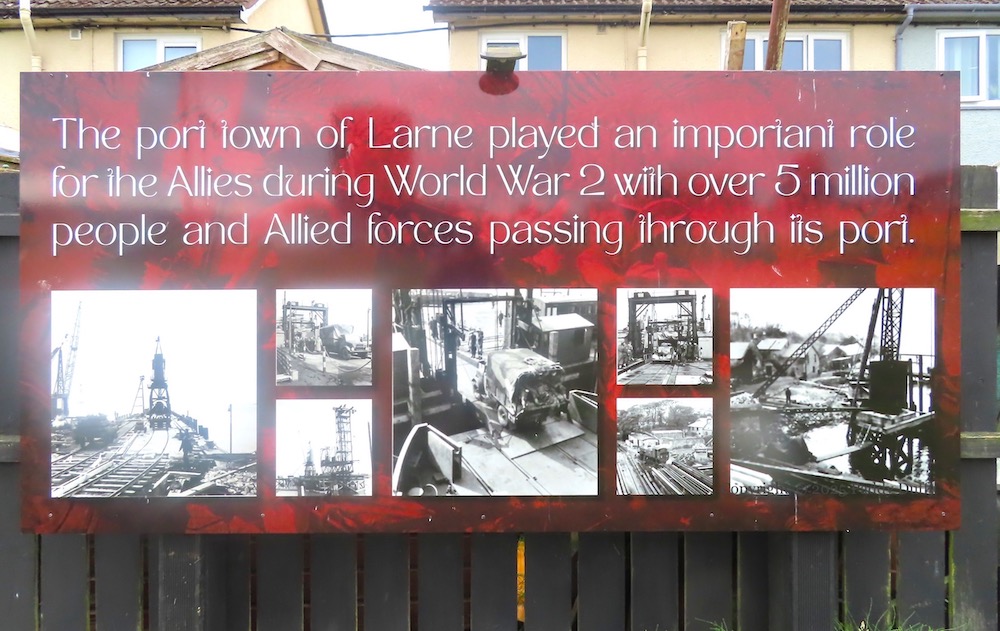
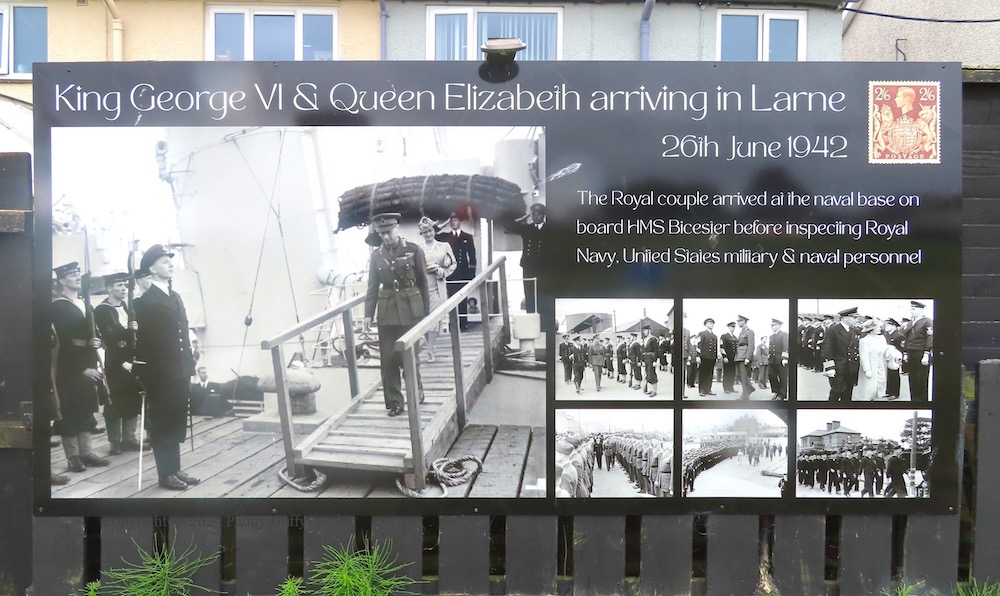
This is a series of ten boards in Craigyhill, Larne about WWII. (It replaces a set of twelve UDA boards – see The Loyalist Executioner.)
From left to right (top to bottom) their subjects are: the Ulster Defence Volunteers/Ulster Home Guard, formed from the B Specials; Paddy the pigeon; submarine HMS Thrasher (using an image from the Seosamh Mac Coılle collection); HMS Larne, a minesweeper built in Renfrew, Scotland; the port of Larne through which passed “over 5 million people and Allied forces”; Kilwaughter Castle, a training ground for UK and American troops; the royal visit of King George VI and Queen Elizabeth in June 1942; James Stuart Steele of Ballycarry, who served in both WWI and WWII; the Larne Spitfire, one of seventeen spitfires funded by a Belfast Telegraph fund-raising drive (Wartime NI | see also the Ballymena spitfire in Per Ardua Ad Astra); local casualties of WWII – “In remembrance of those from town of Larne that paid the supreme sacrifice during the Second World War”.
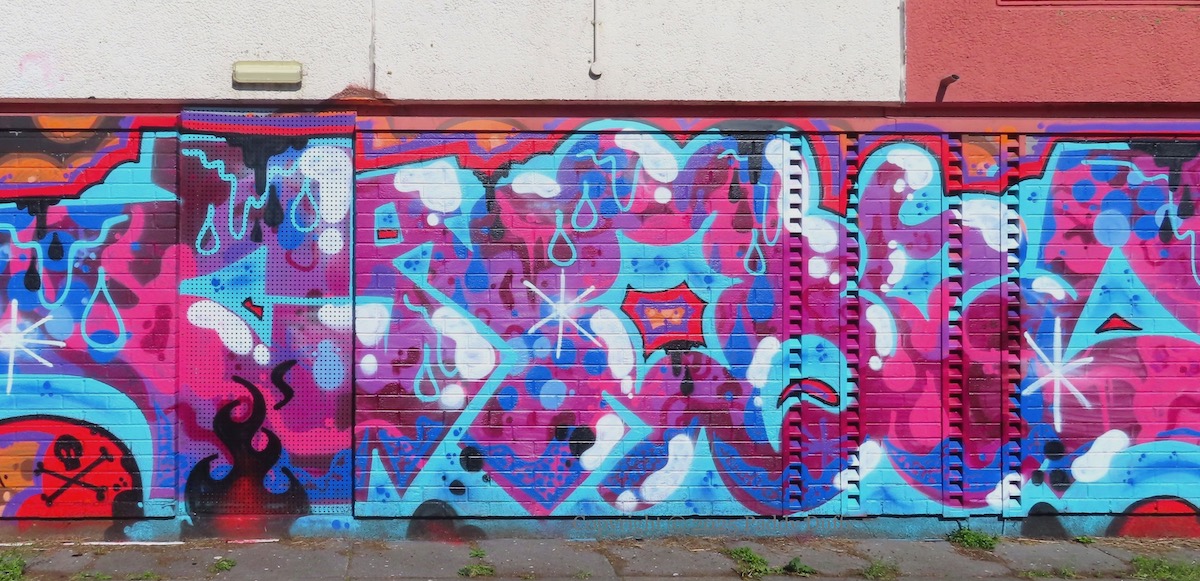
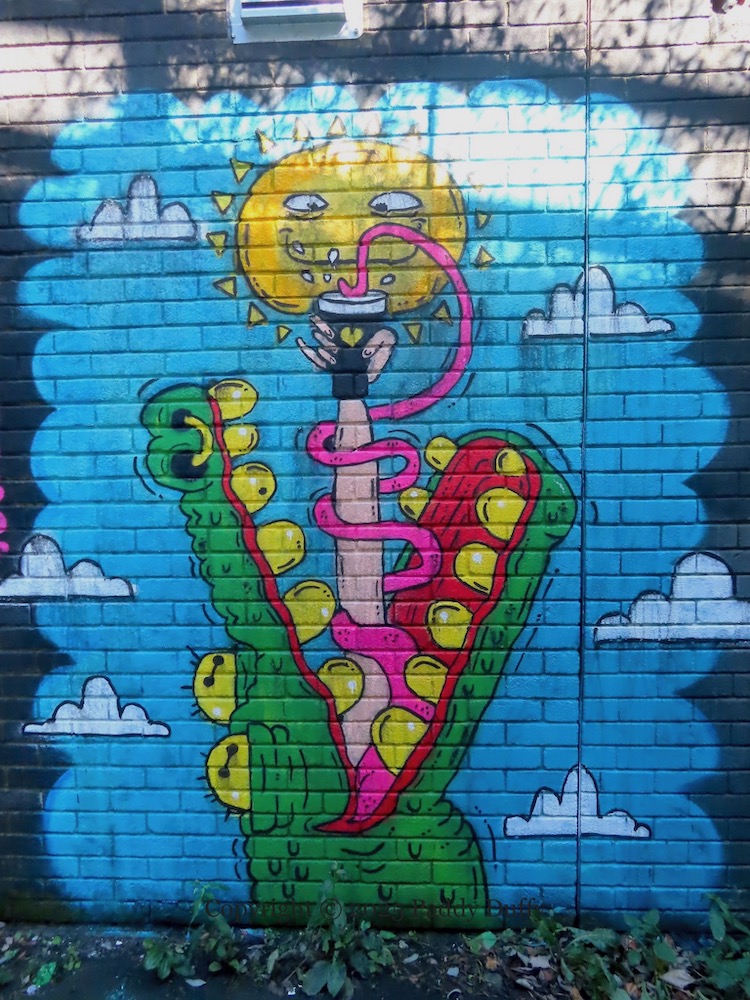
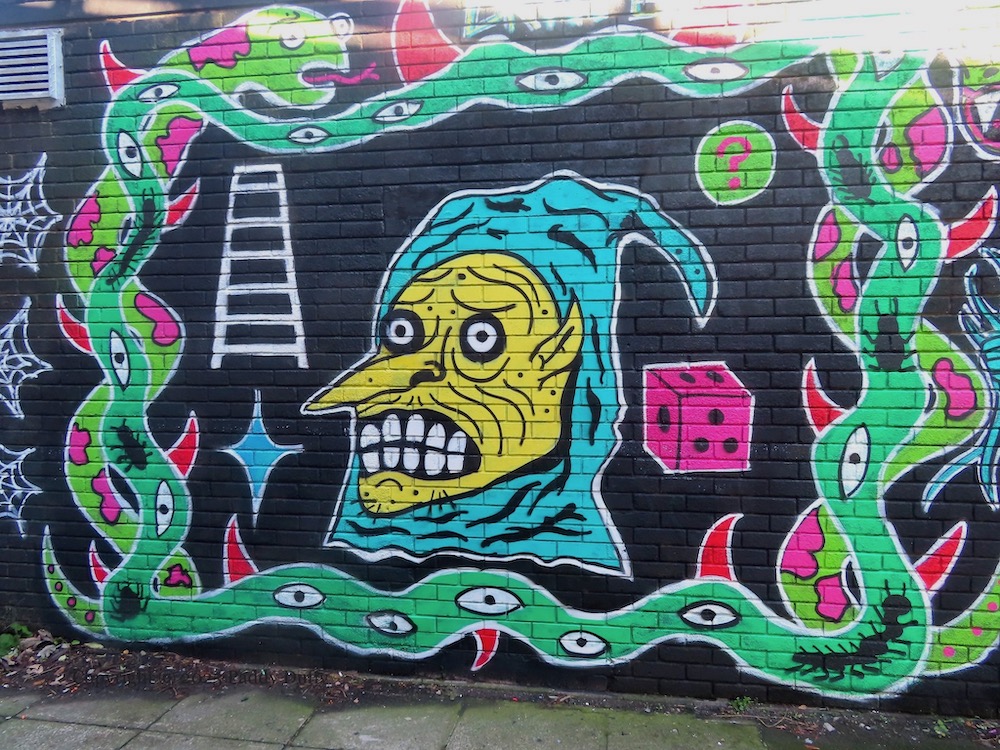
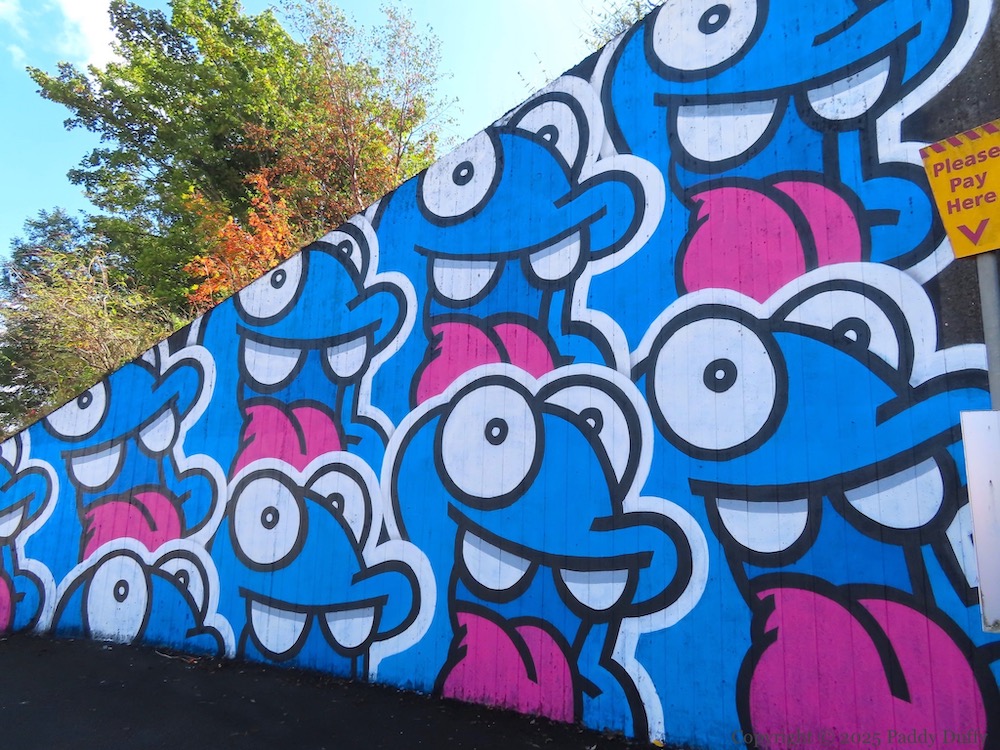
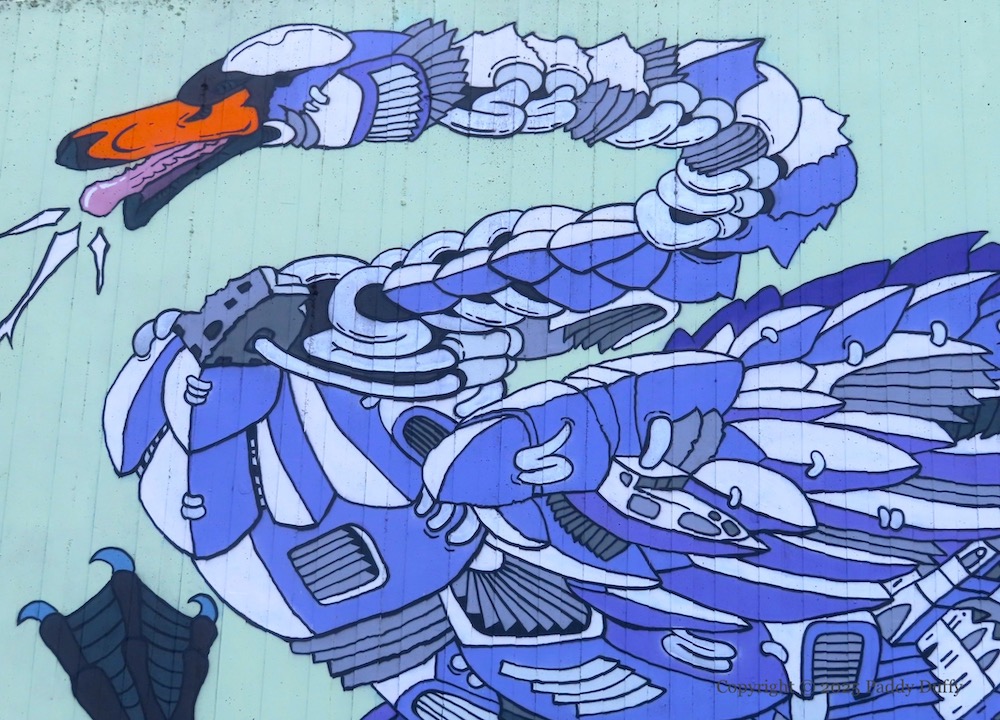
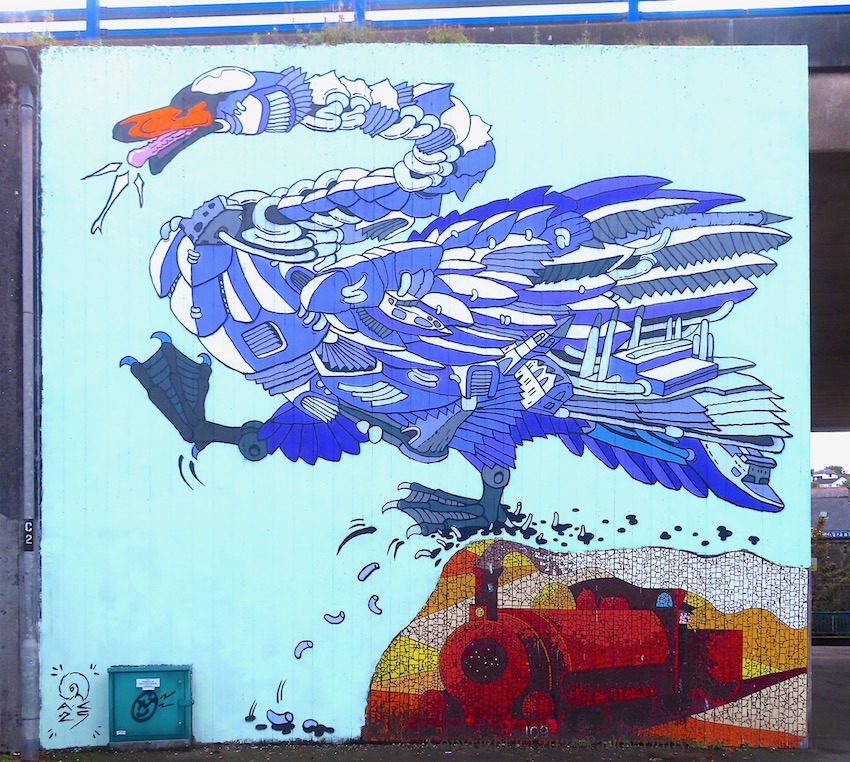
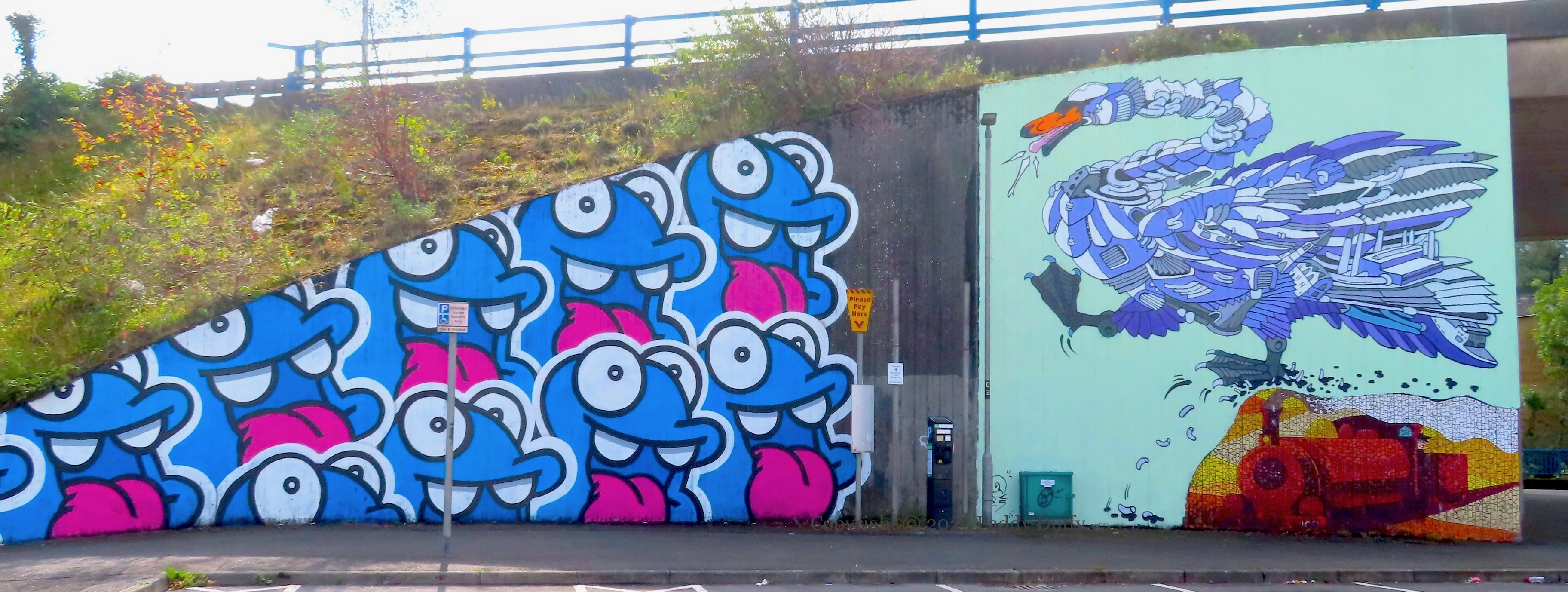
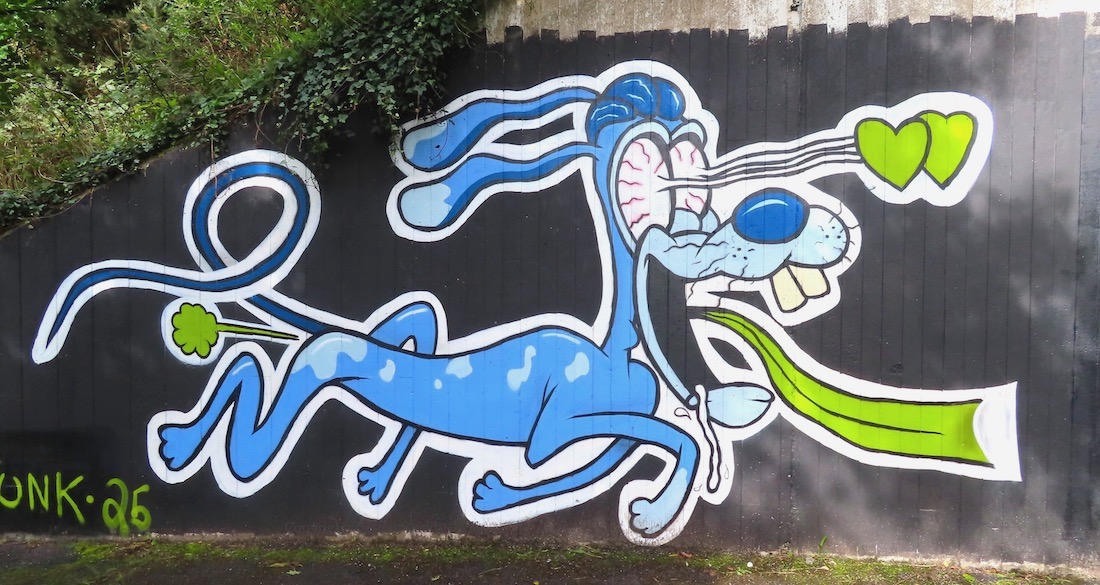
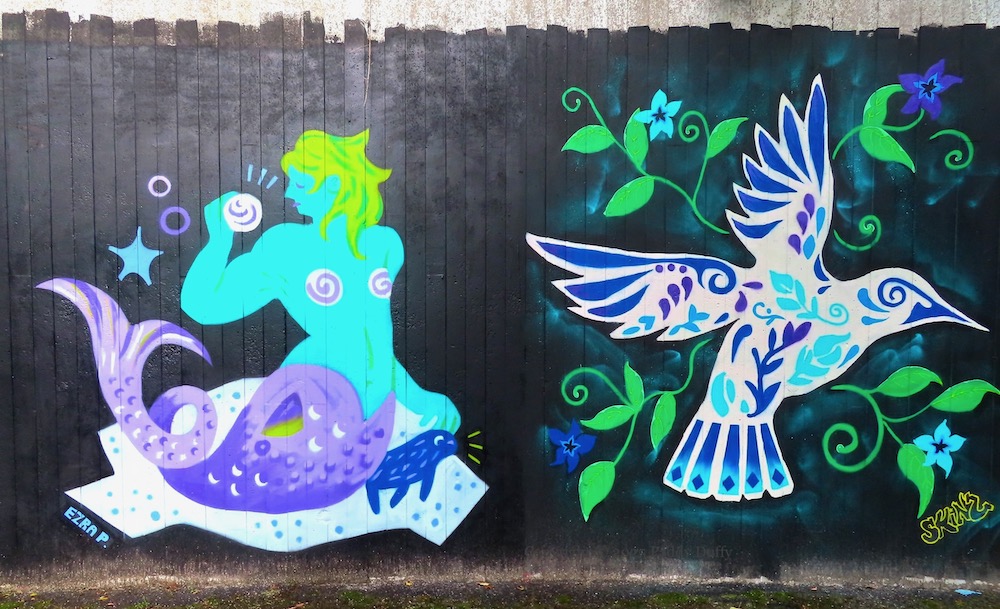
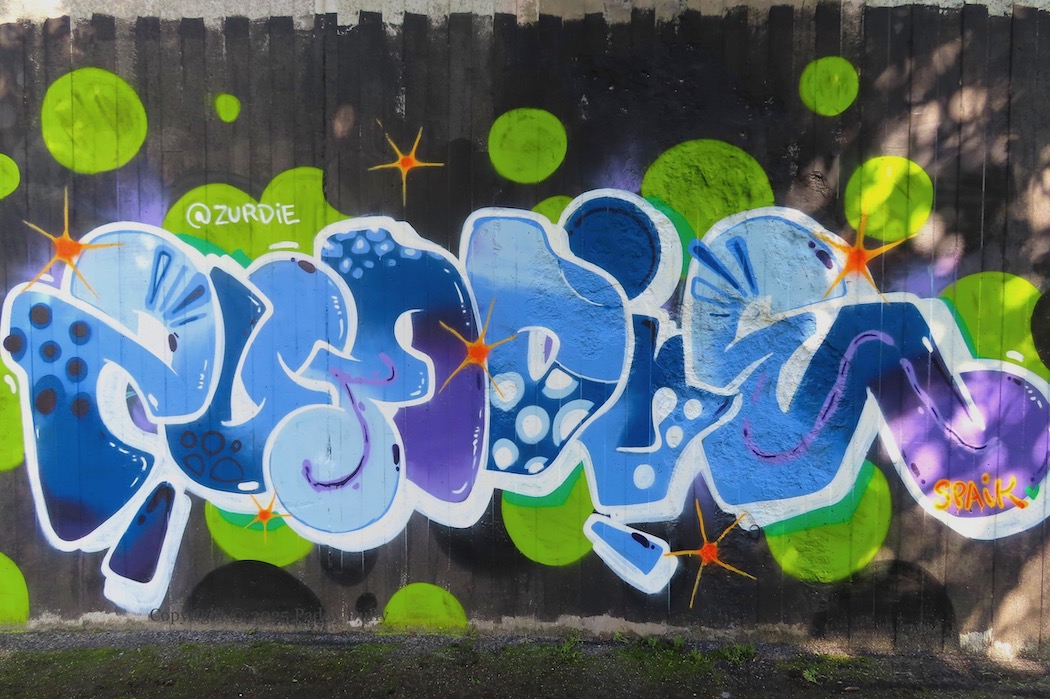
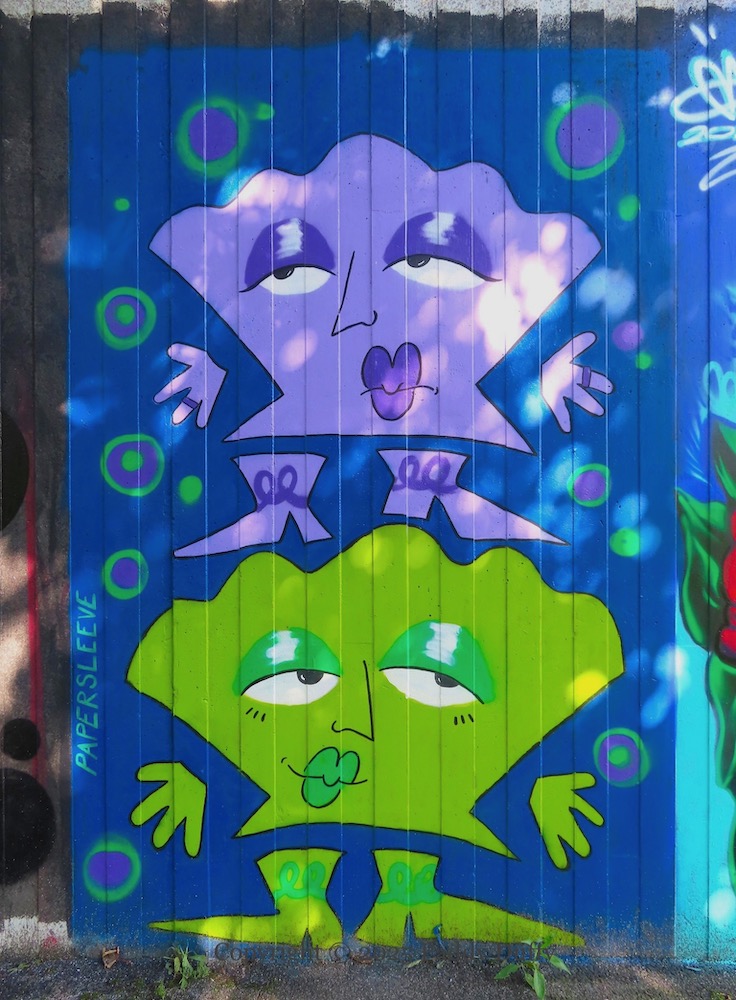
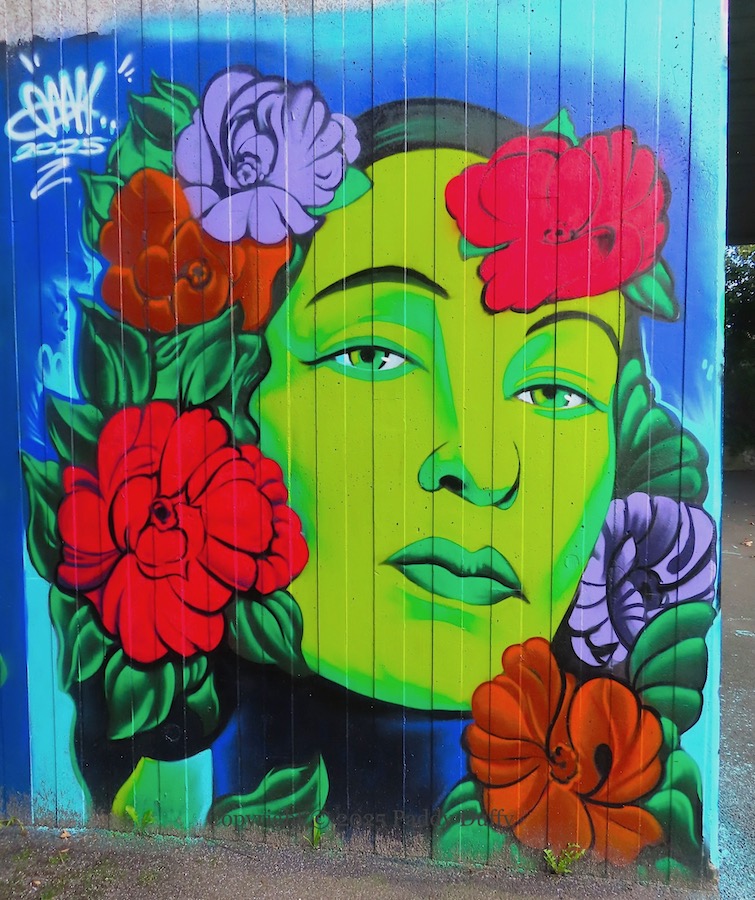
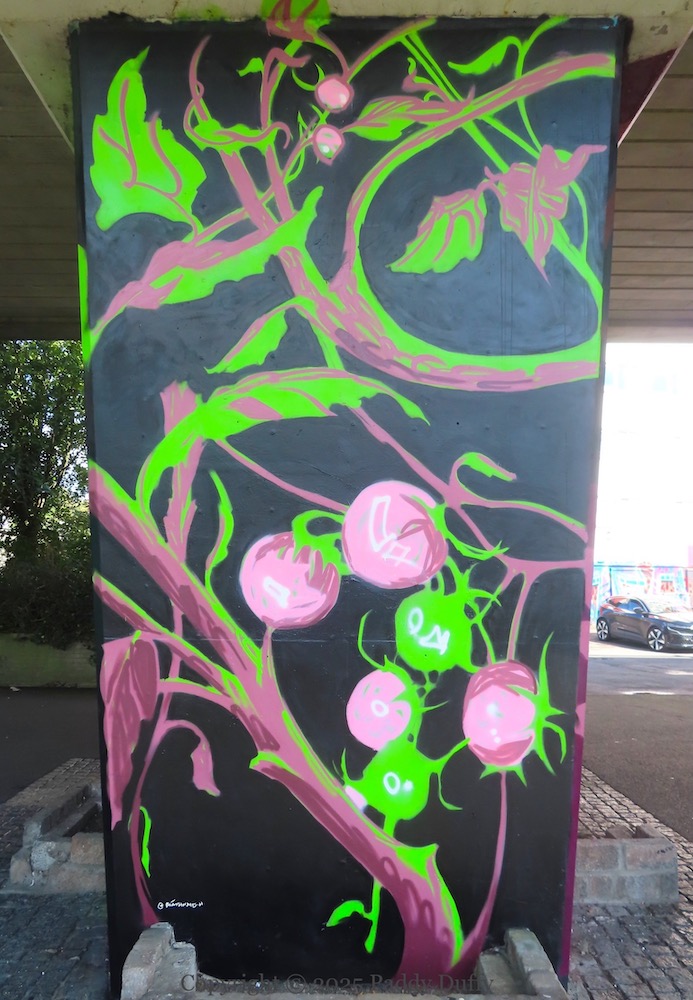
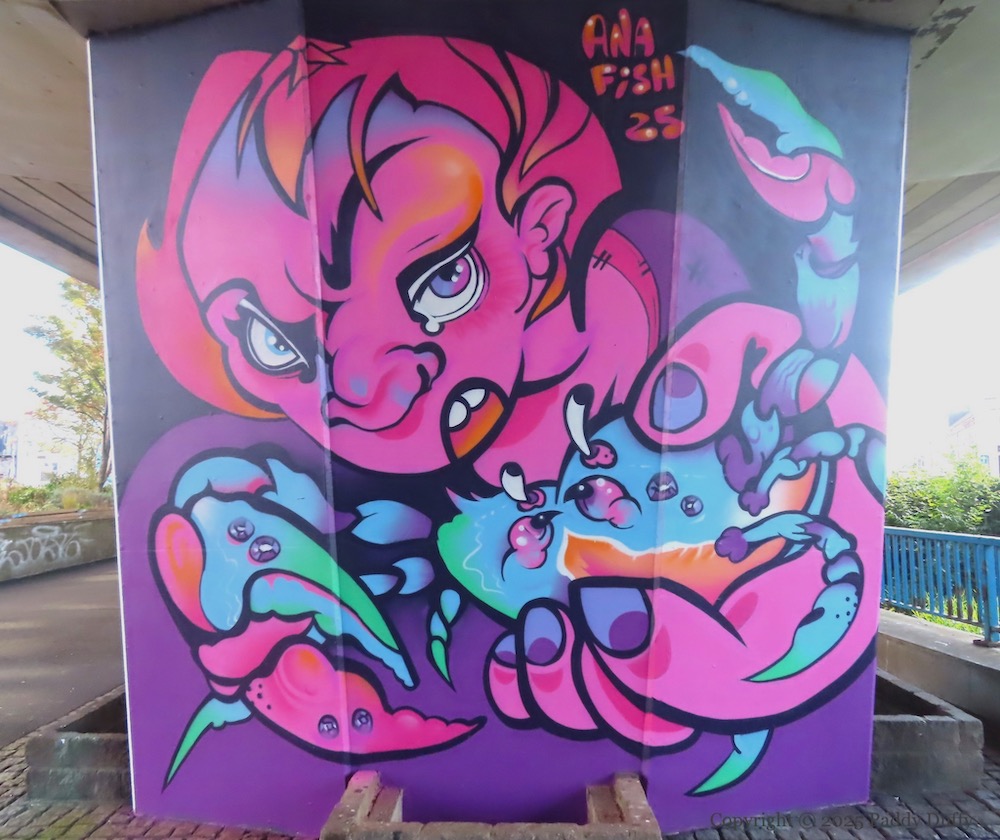
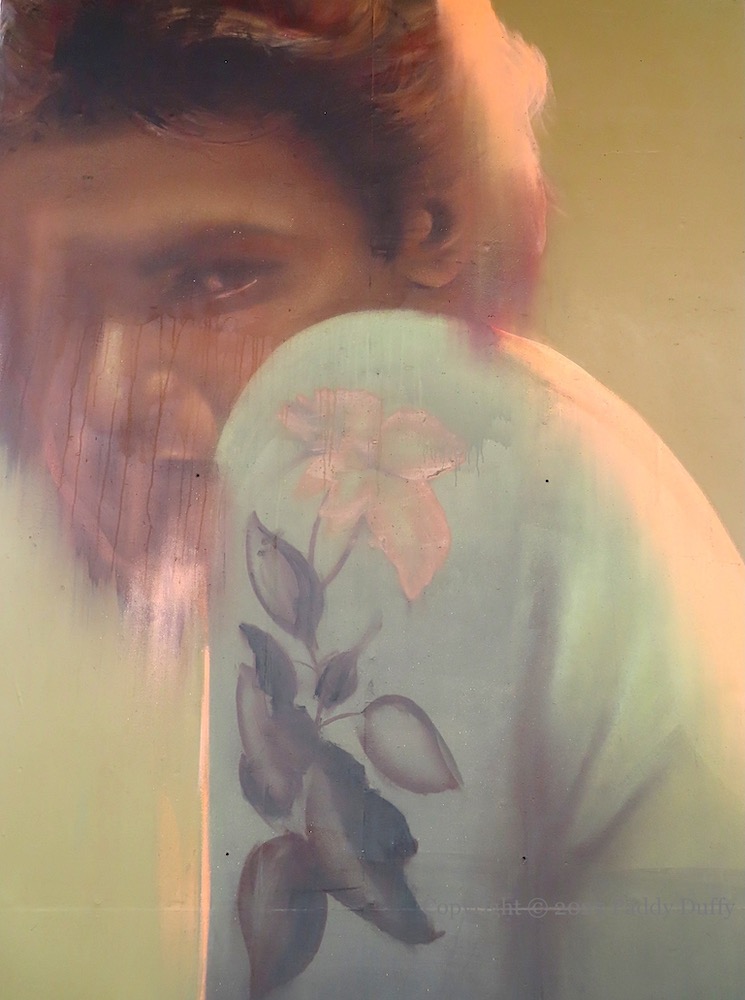
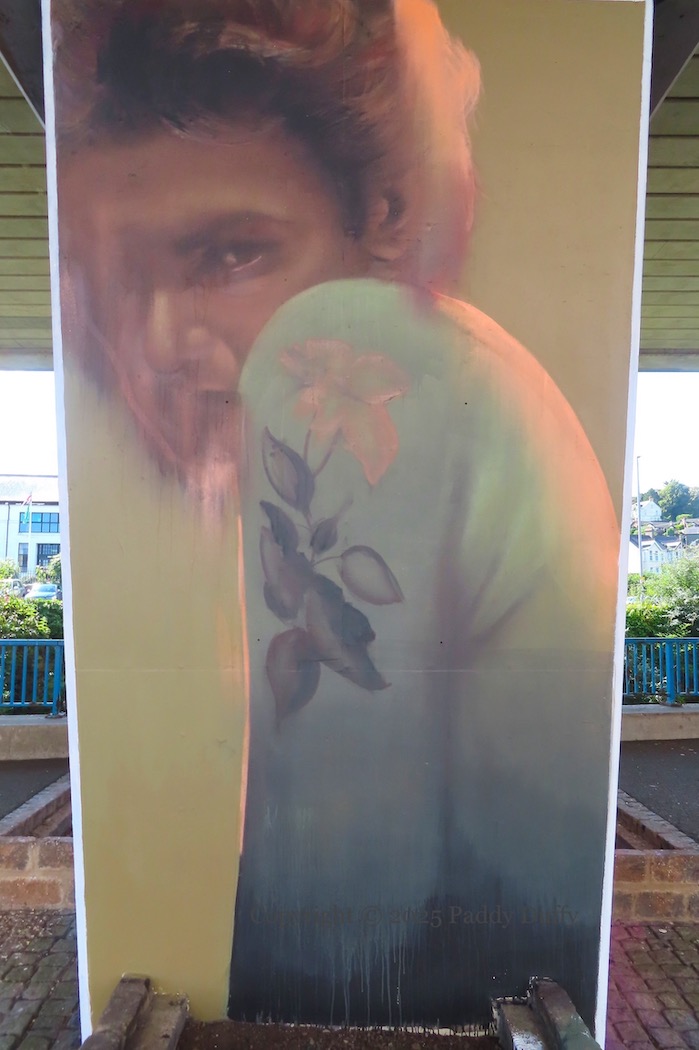
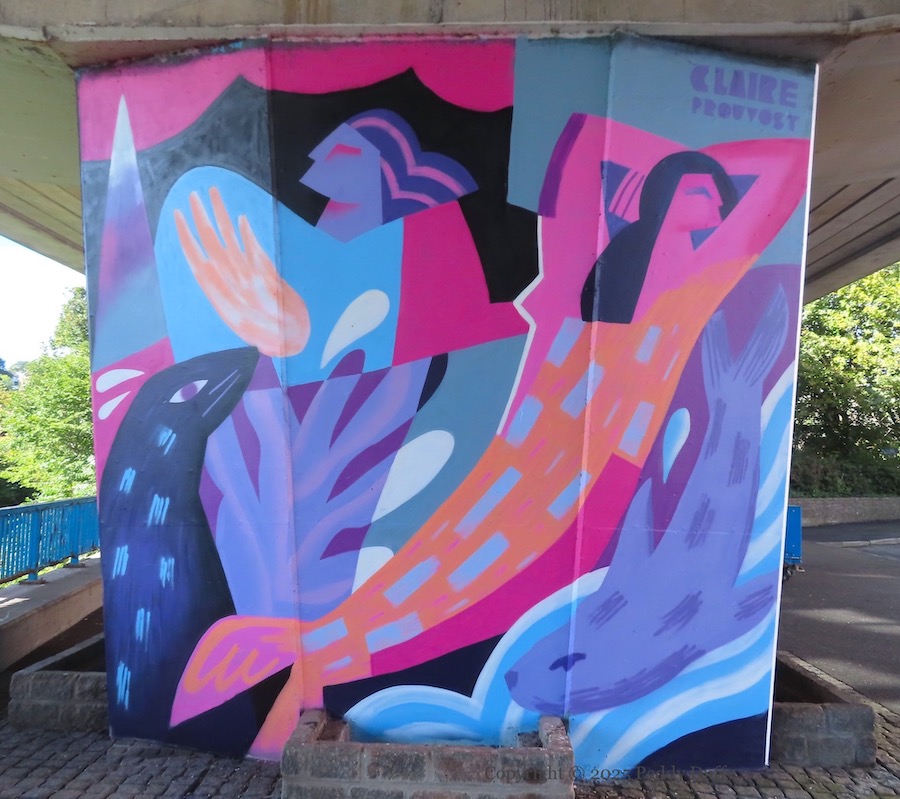
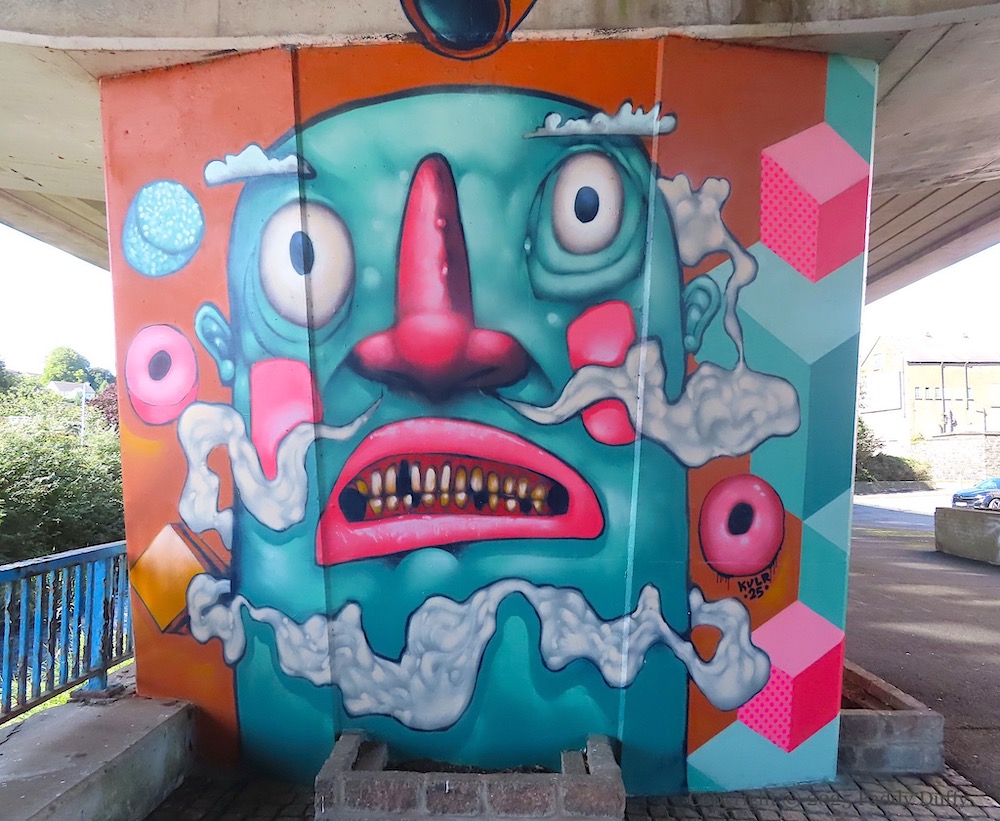
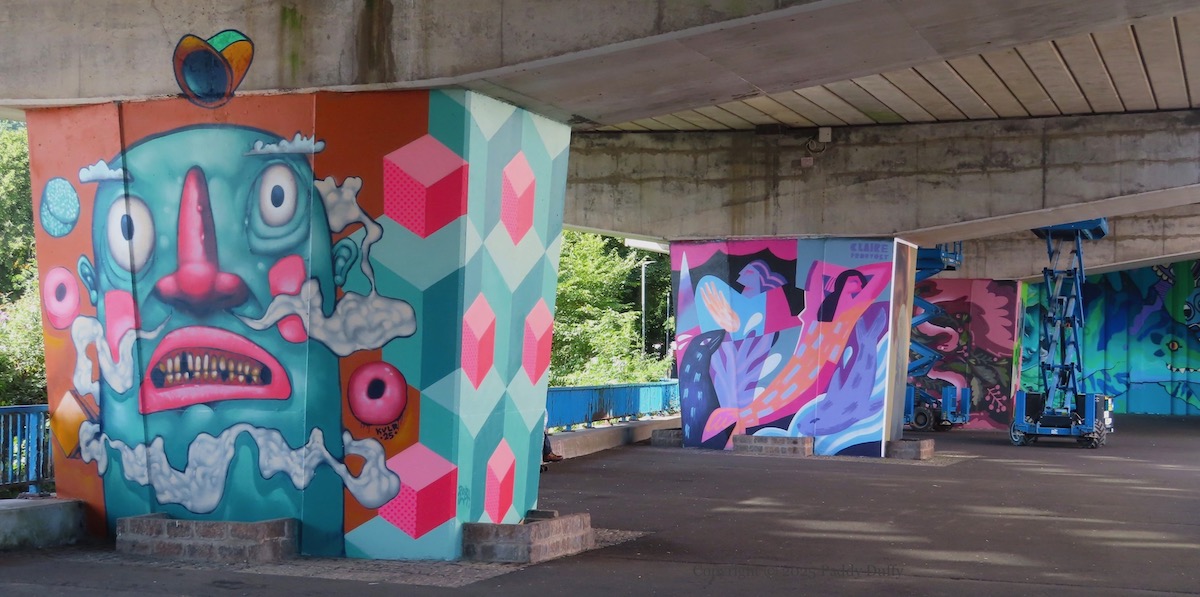
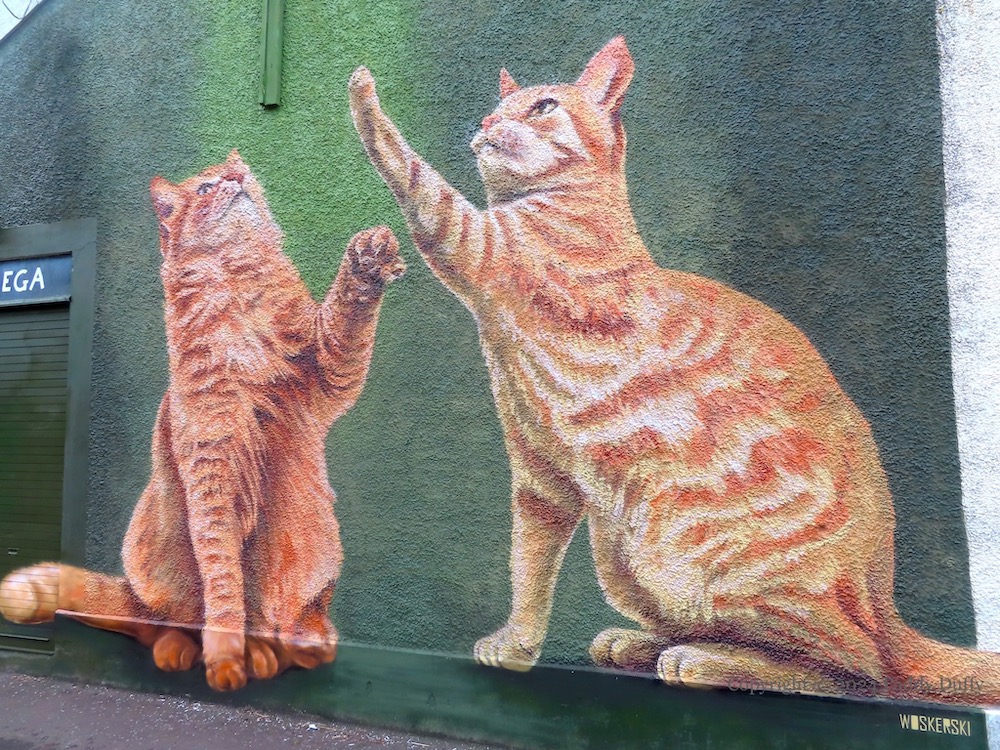
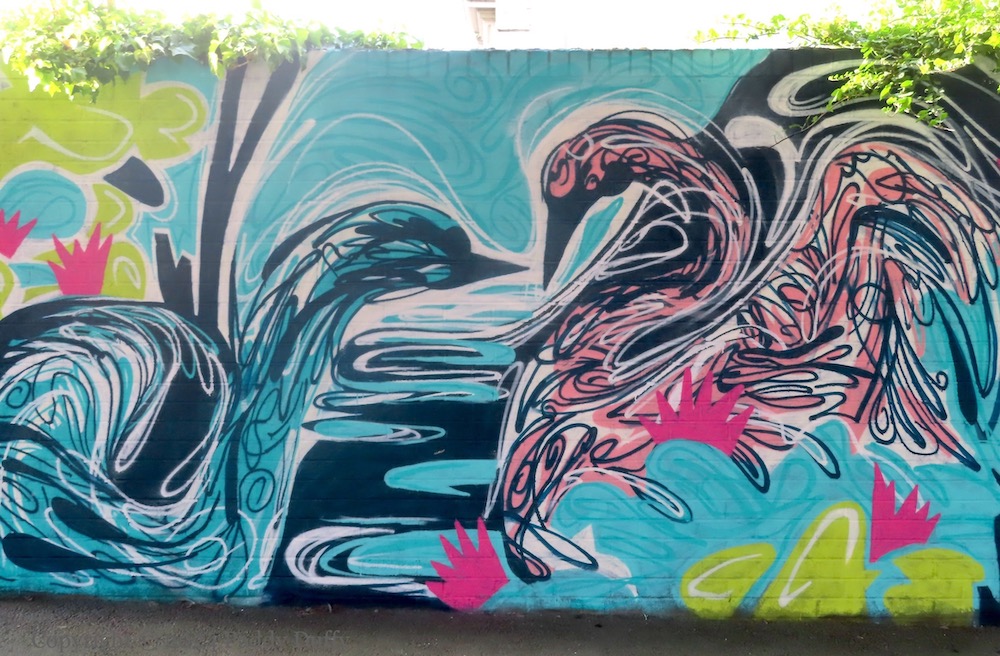
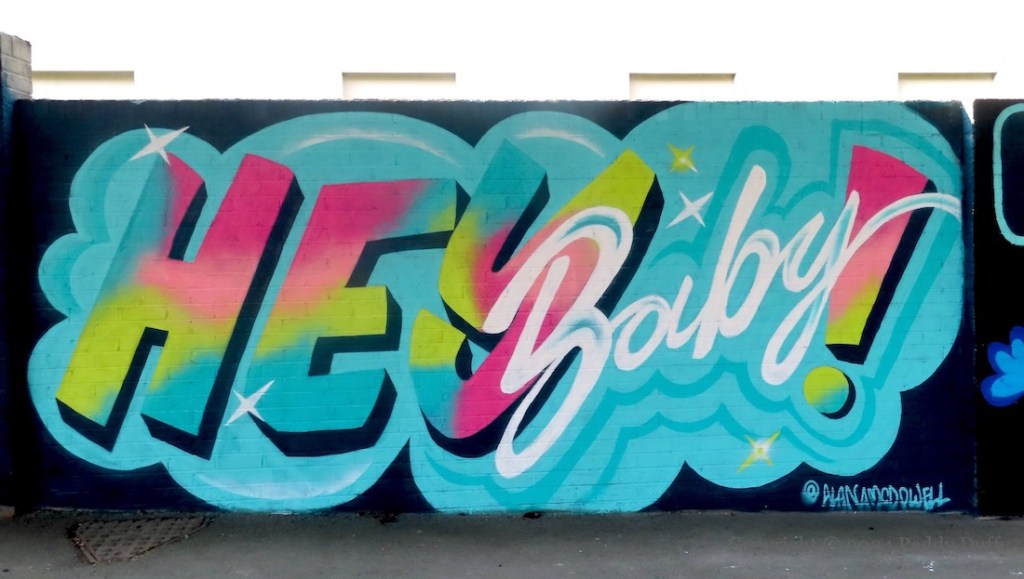
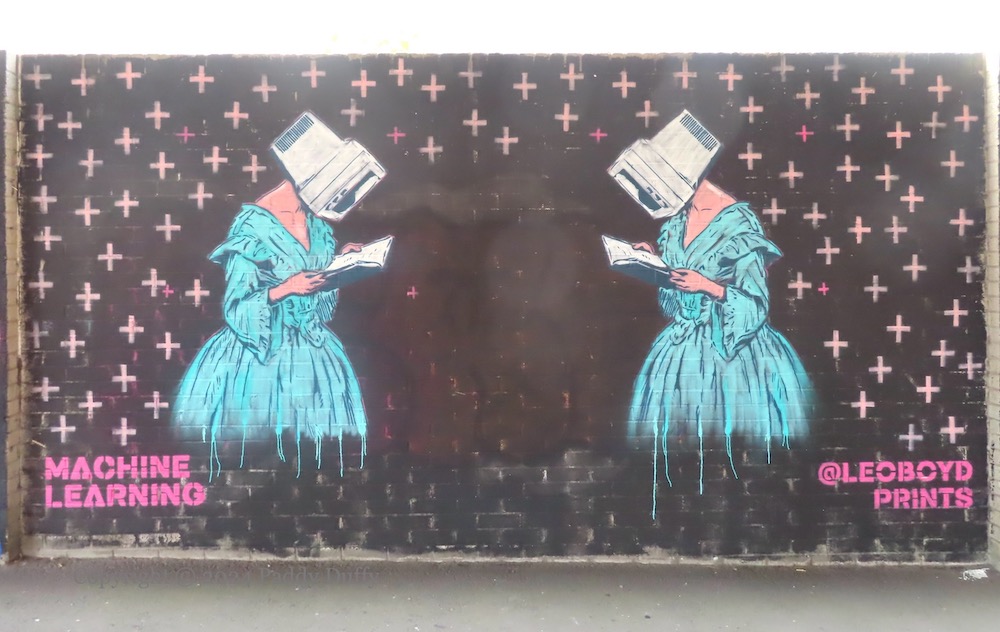
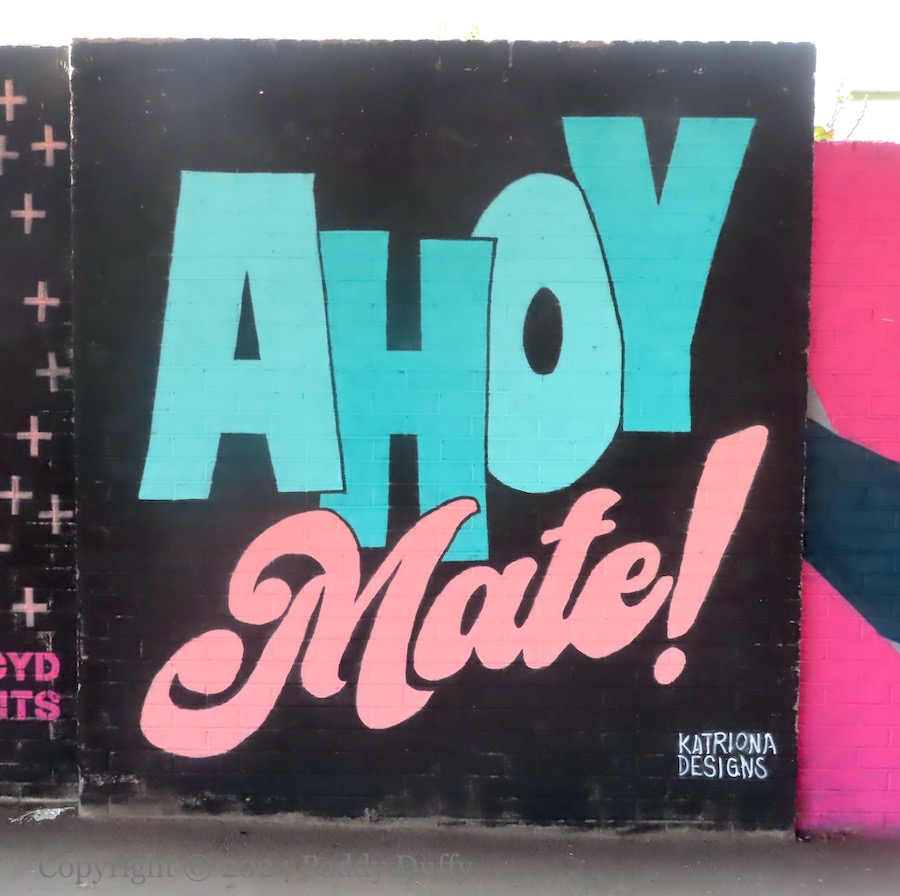
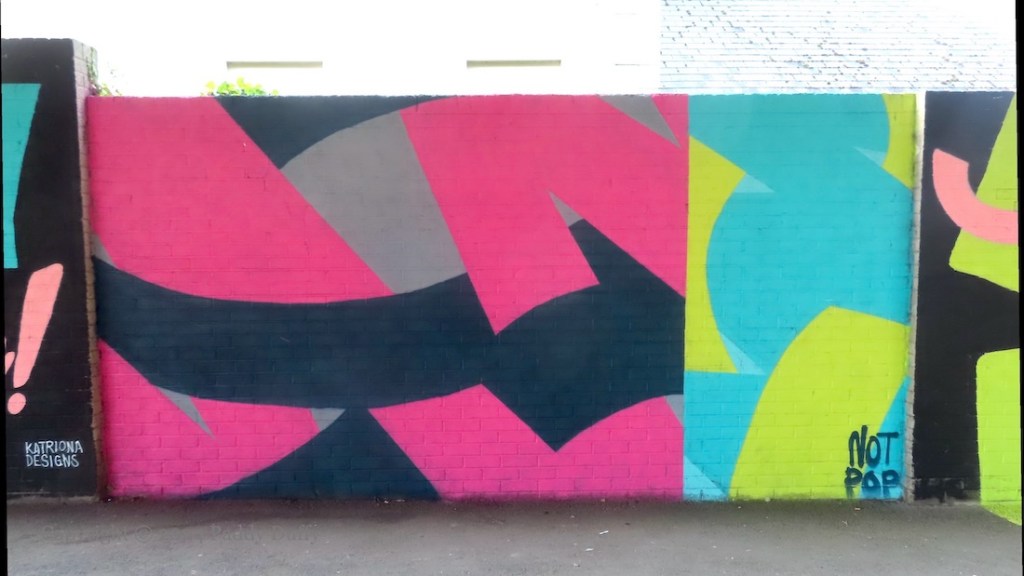
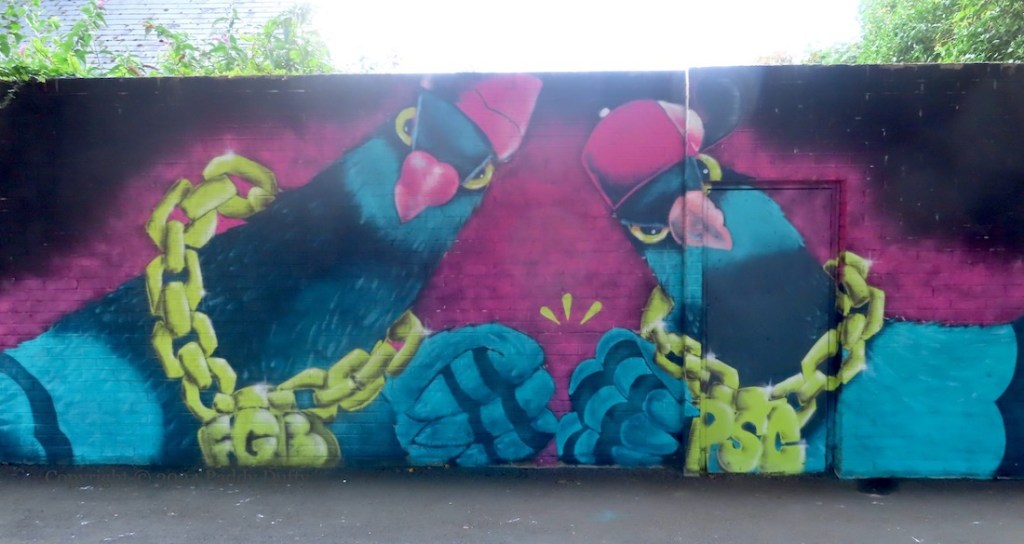
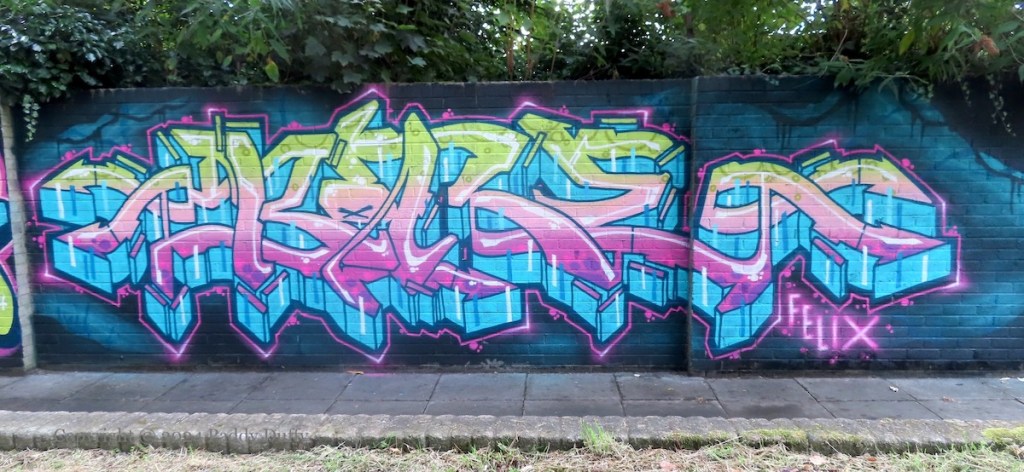
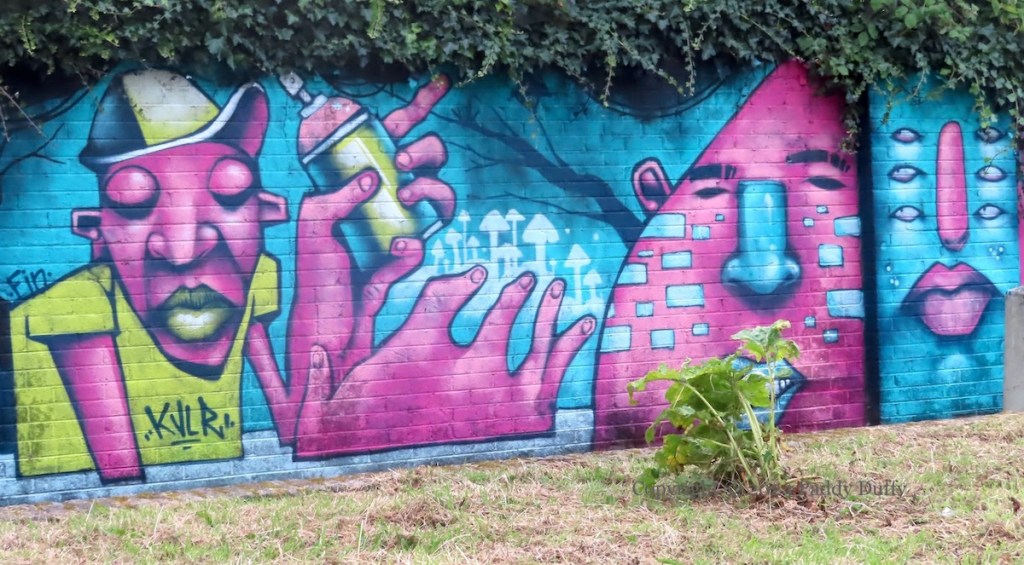
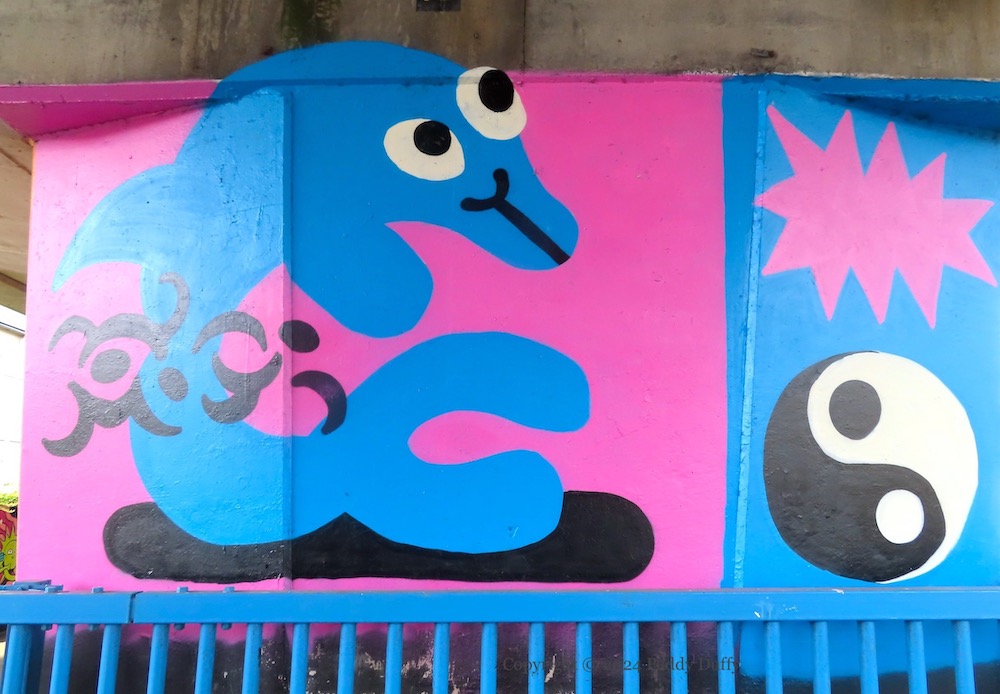
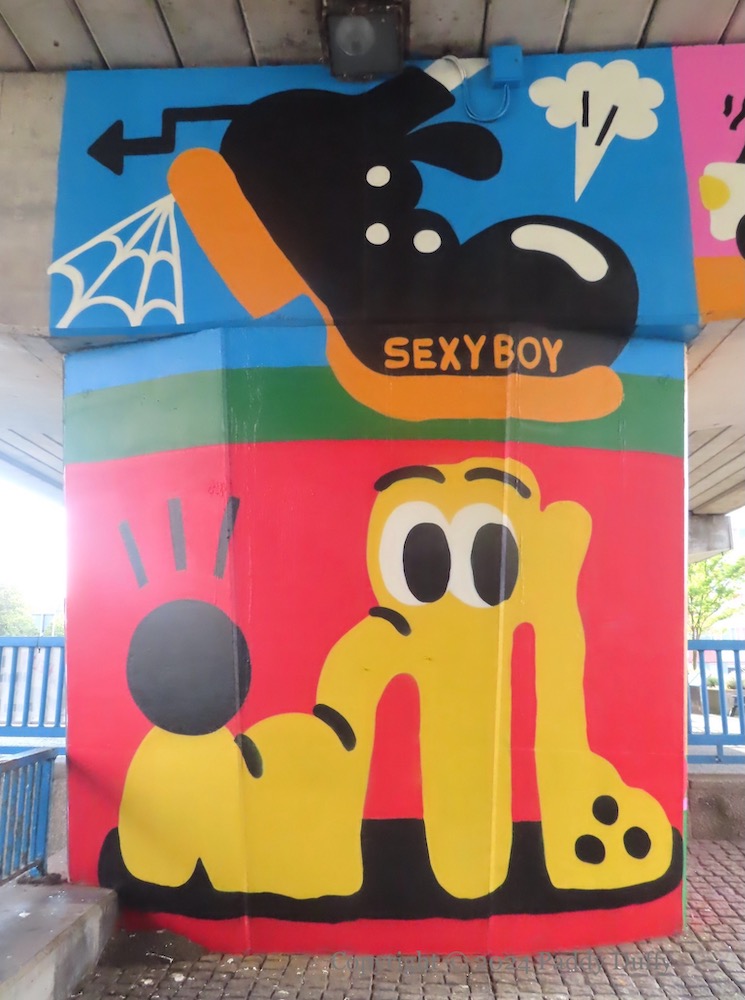
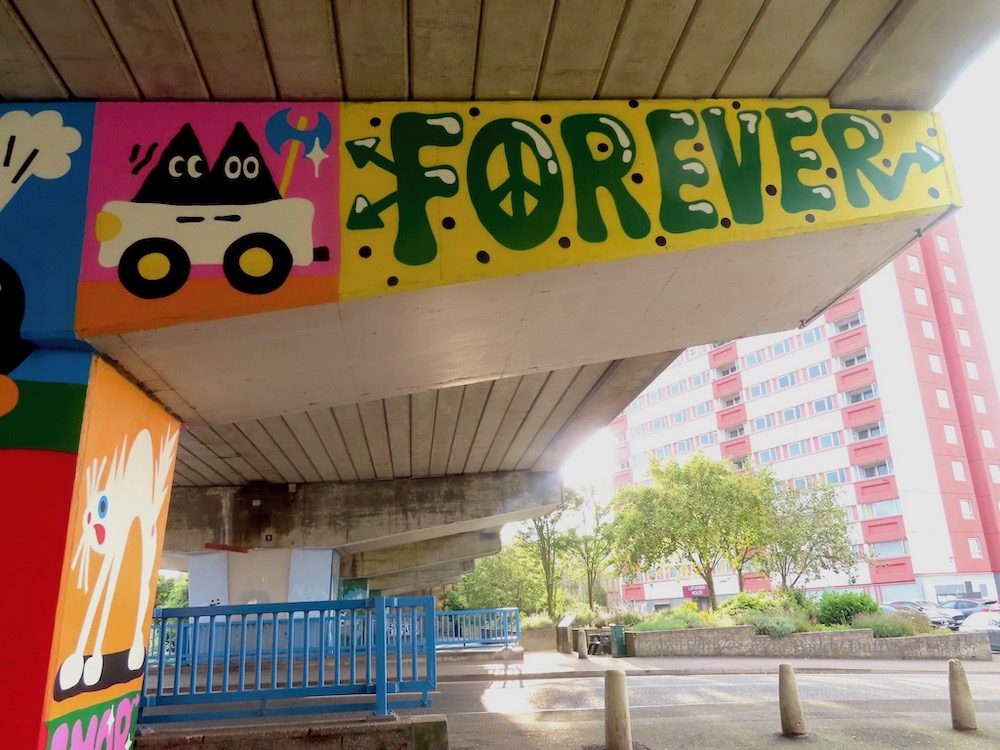
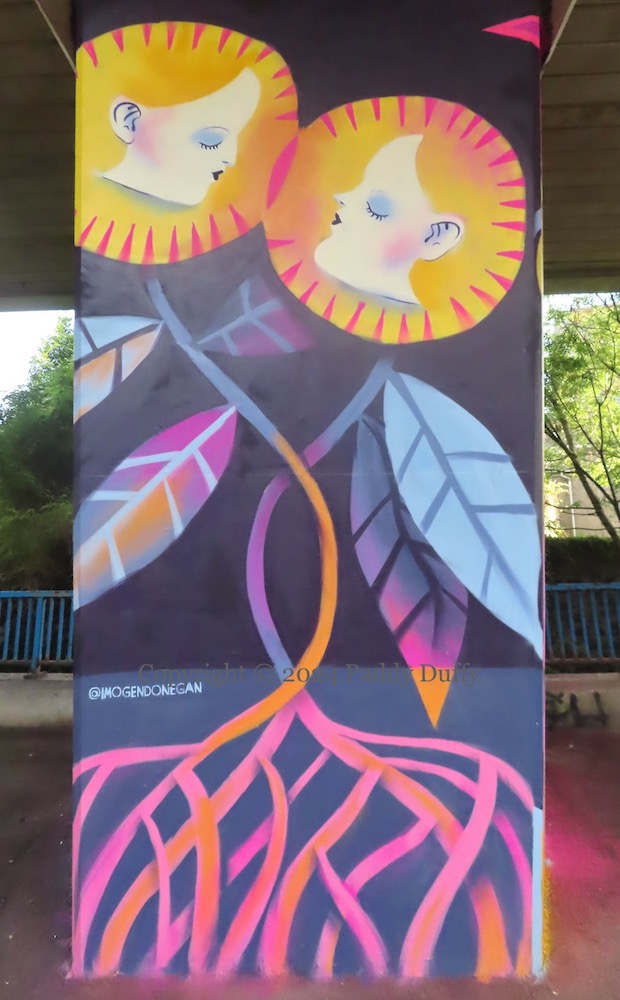
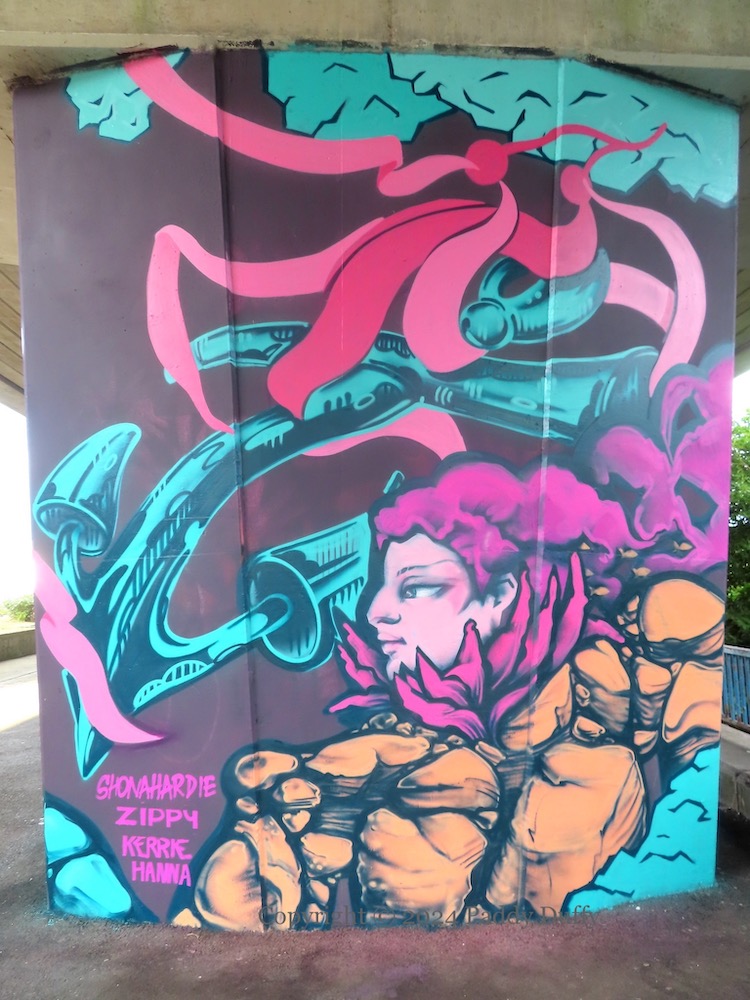
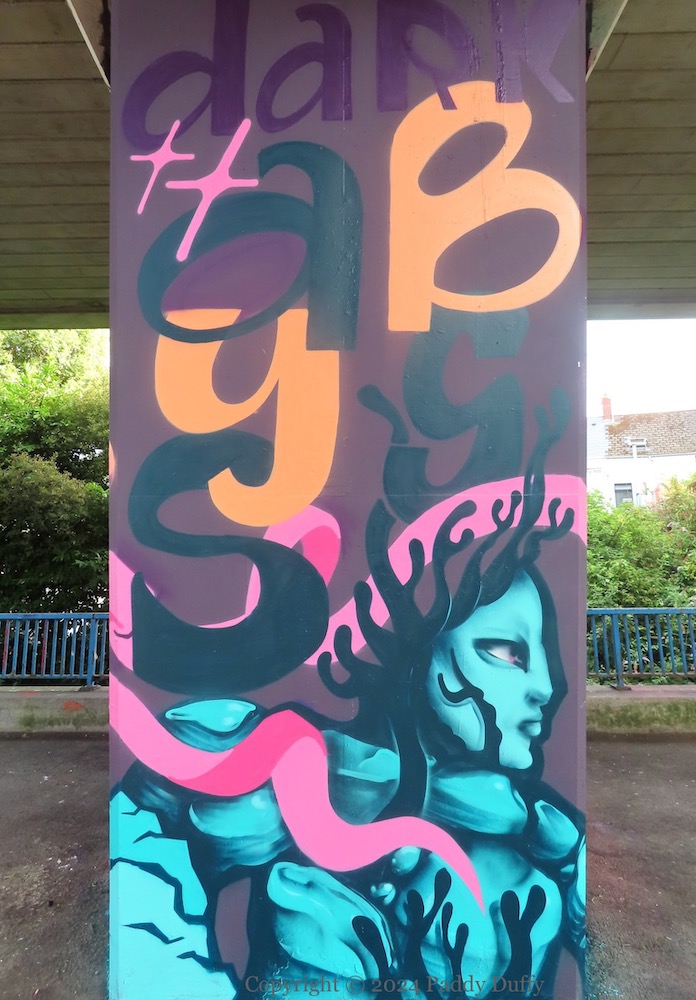
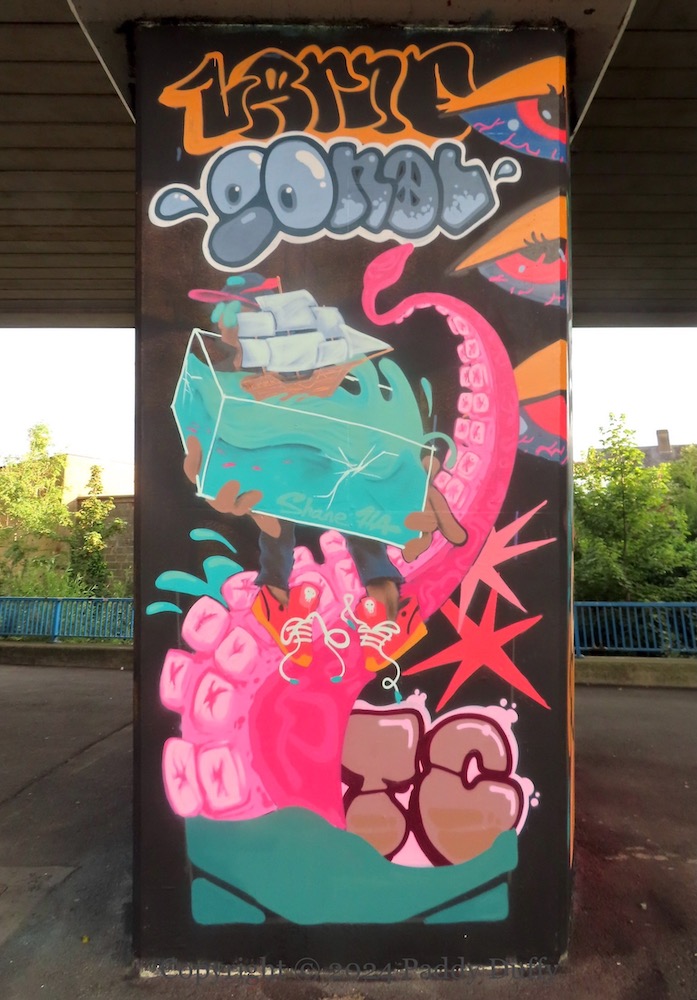
The pillars under the Harbour Highway at Bridge Street were repainted on July 28th in a jam called “Hit The Coast”. The wall along the back of the space was also painted, along with the large piece above on the back wall of Ruby’s, to give approximately 37 total pieces. Where known, the artist(s) is given in the caption.
These images were taken on August 2nd, after Wee Nuls repaired several pieces that were vandalised soon after painting (BelTel).
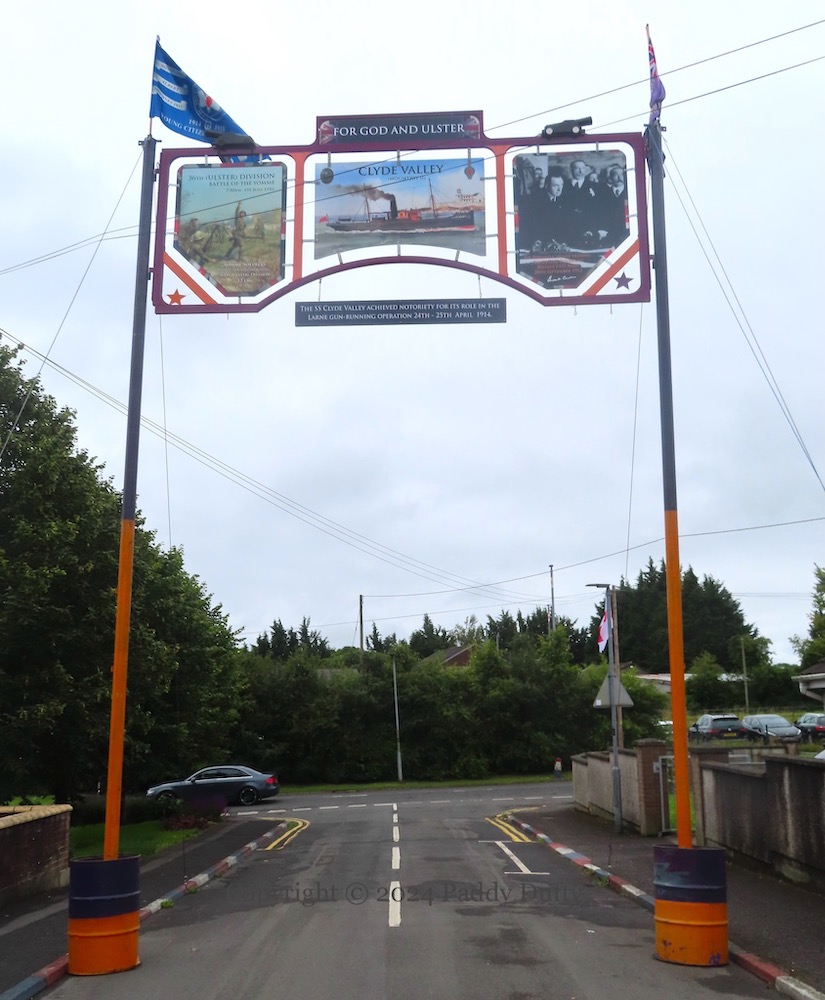
The Millbrook arch has three panels: “36th (Ulster) Division, Battle Of The Somme, 7:30 am 1st July 1916”; the Clyde Valley (Mountjoy II) “The SS Clyde Valley achieved notoriety for its role in the Larne gun-running operation 24th-25th April 1914”; “Sir Edward Carson signing the Ulster Covenant, Belfast City Hall 28th September 1912”.
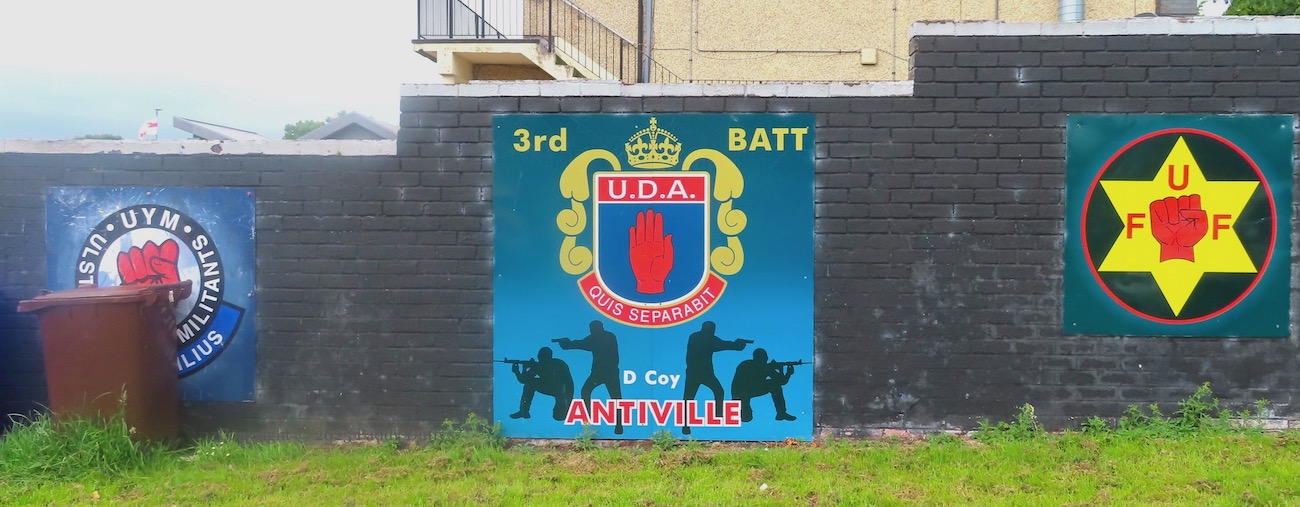
This UDA board is at the bottom of Linn Road (Larne) at the entrance to the Antiville estate. “Antiville” is perhaps derived from the Irish “an tıgh bhıle, “the house of/by the sacred tree”.
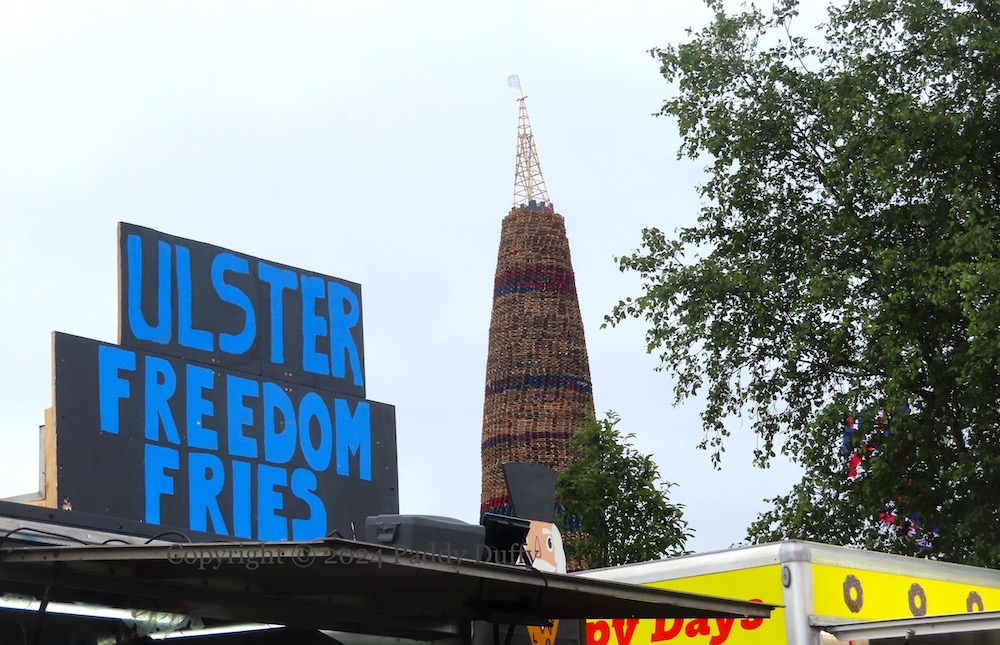
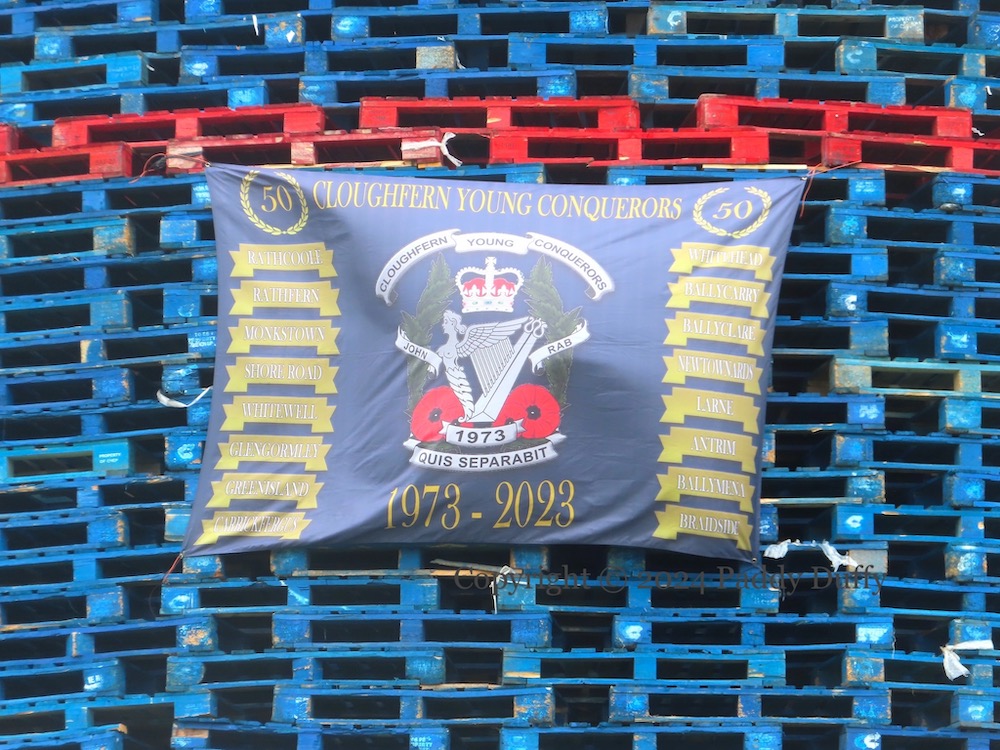
Bonfire builders in the Craigyhill area of Larne (Fb) are once again attempting to build the world’s tallest bonfire, a record held unofficially by their 2022 effort (see Commonwealth Handling Equipment) and officially by an Austrian bonfire in 2019 (Guinness Book Of Records).
This year’s pyre is now finished and was tall enough for a base-jumper to parachute off it on July 9th (BBC). The builders are hoping that the 35′ beacon on top of the 363-pallet base will take the total height over 210 feet and towards 220 when it is measured professionally (Belfast Live). Update: the tower was measured at 205′ (BelTel | News Letter).
The final two images were taken on the 28th when the pyre was 150 feet (280 pallets) in height (BelTel).












































 Paddy Duffy Collection