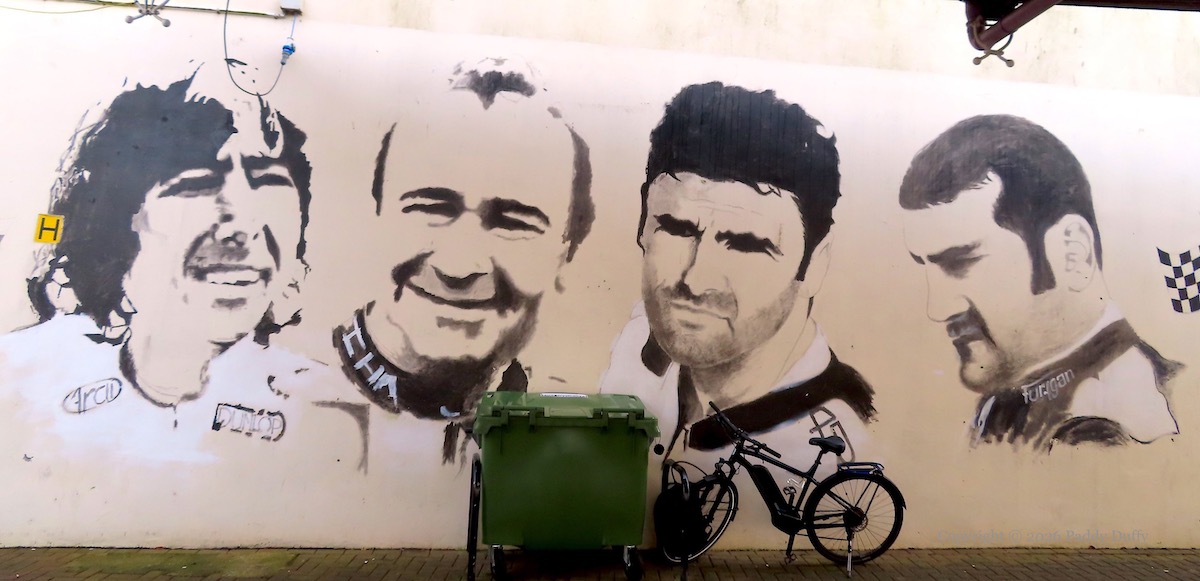
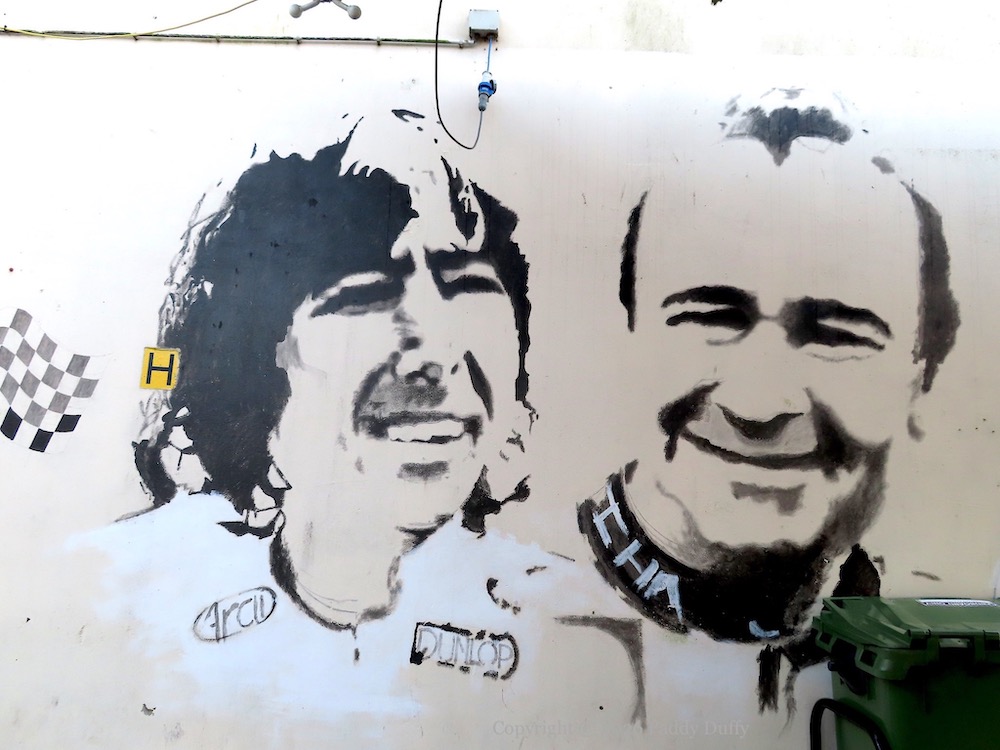
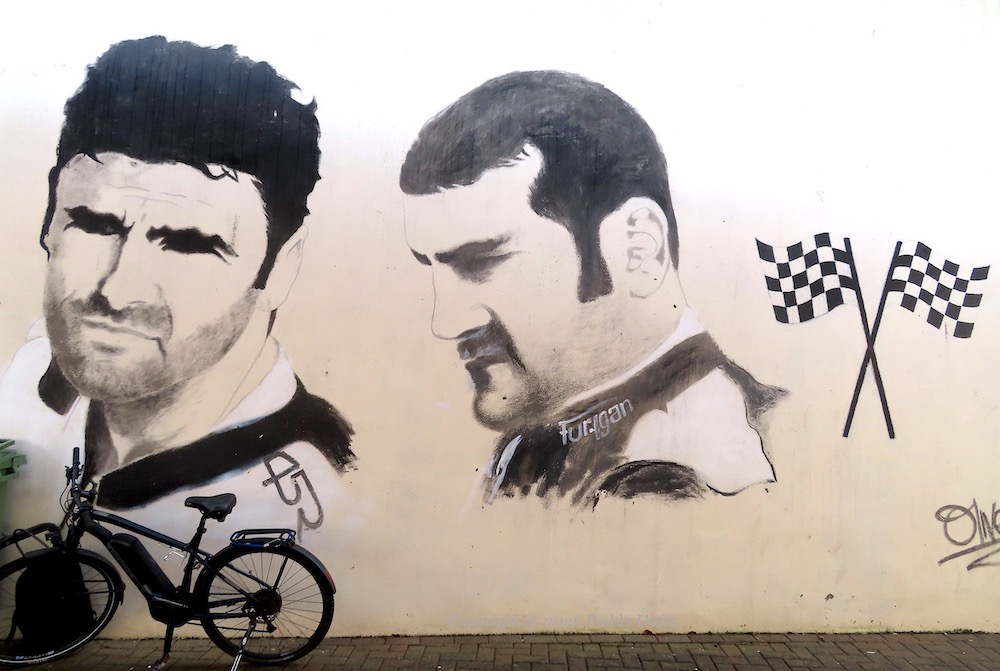
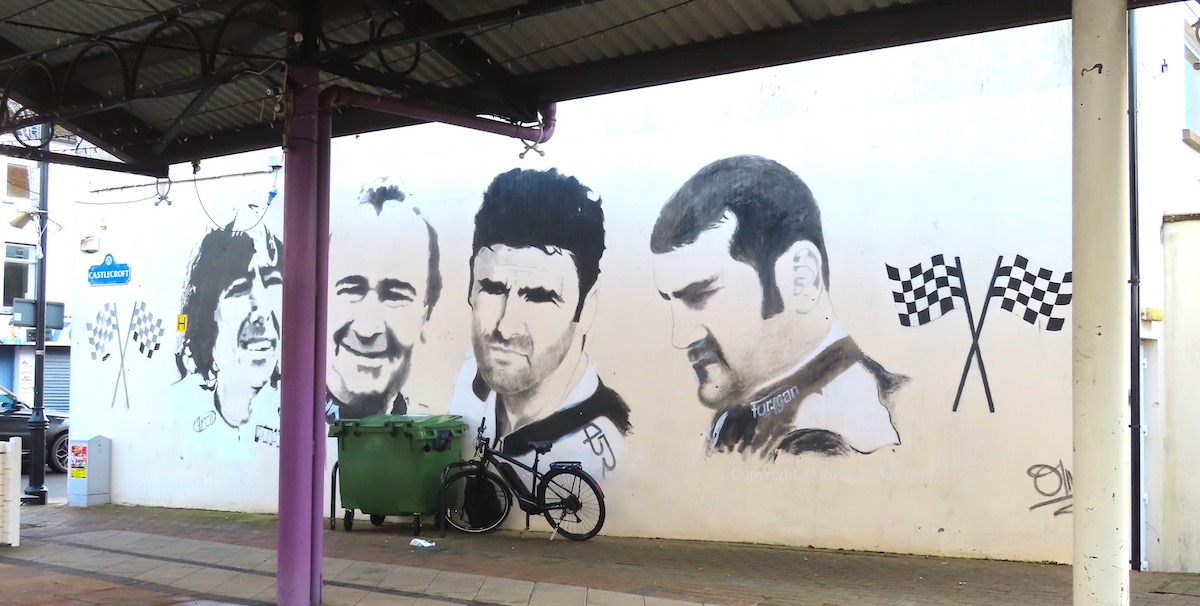
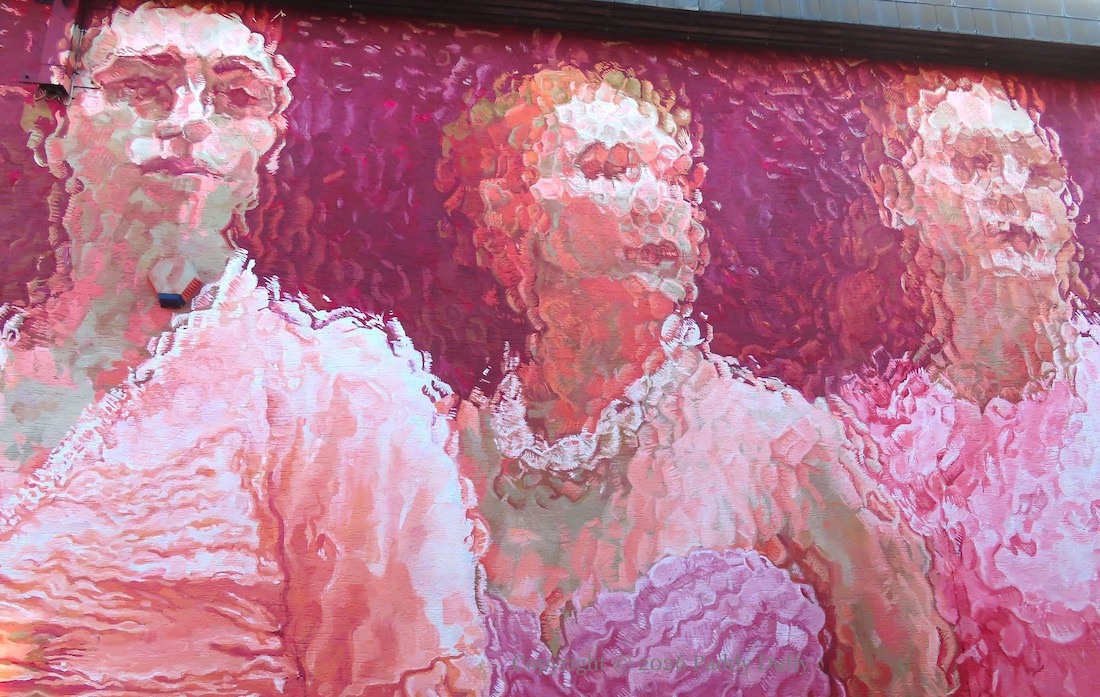
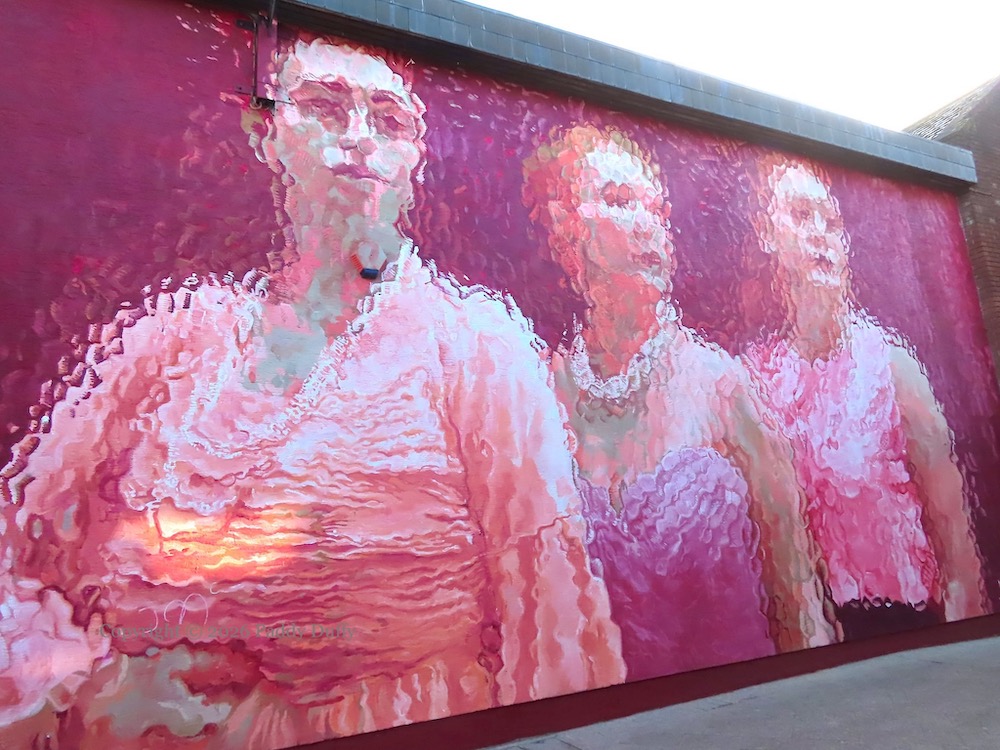
This Ballymoney mural celebrates and commemorates members of the Dunlop family of motorcycle racers. From left to right we see brothers Joey and Robert and then Robert’s sons William and Michael. Joey died in a race in Estonia in 2000; Robert died in 2008 of injuries sustained in a practice session for the North West 200; William died in 2018 in a crash during practice for the Skerries 100. Michael is still alive and currently aged 36; he was Irish Motorcyclist Of The Year in 2025 (BelTel).
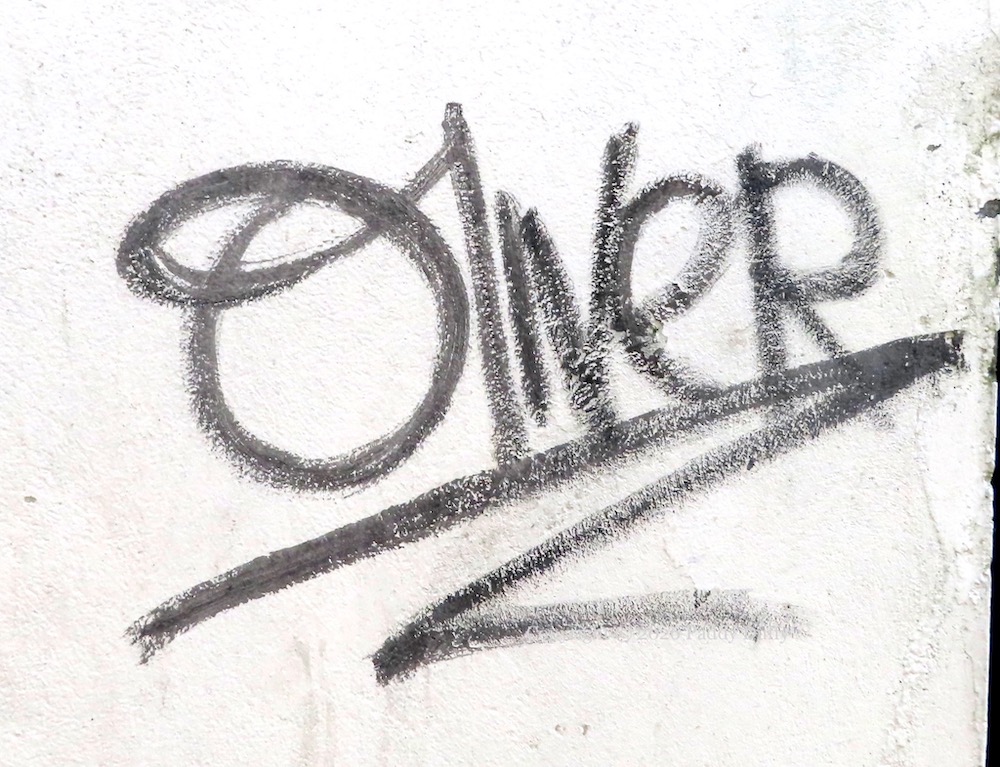
This mural was painted by Oliver McParland (web) in Castlecroft Square, Ballymoney.
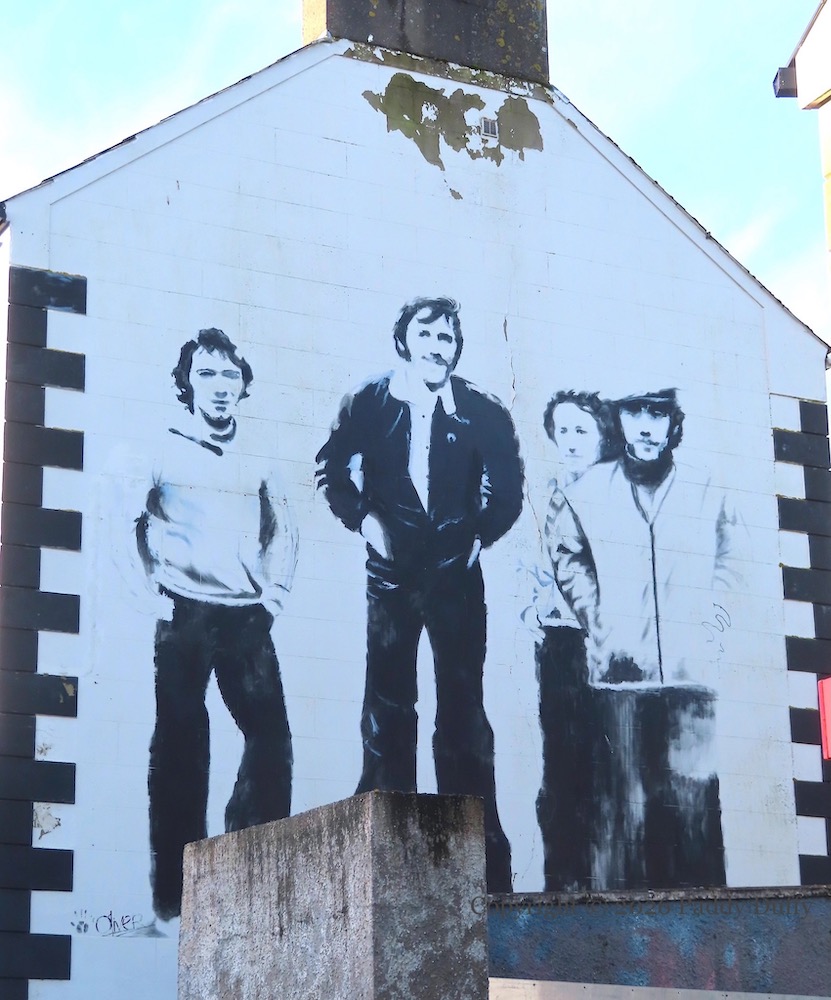
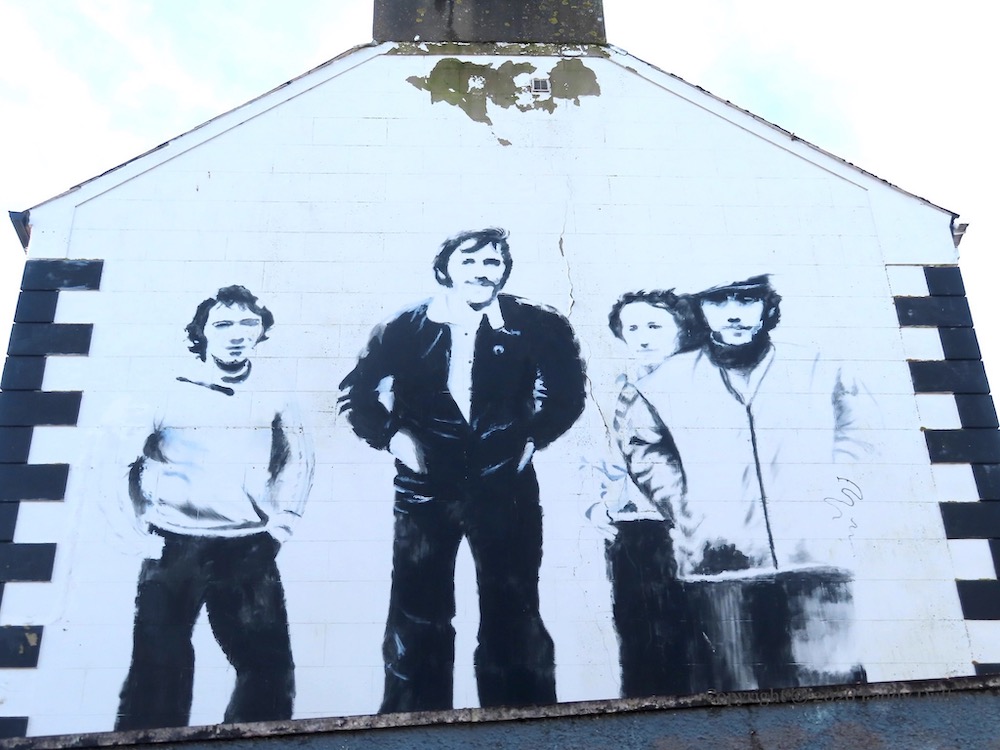
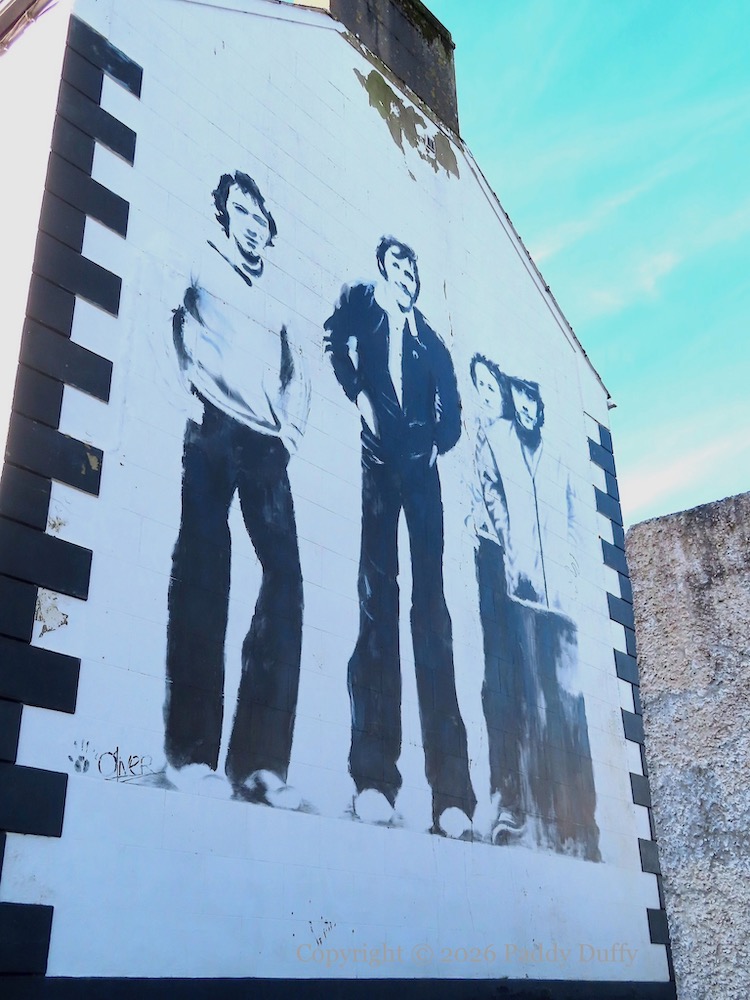
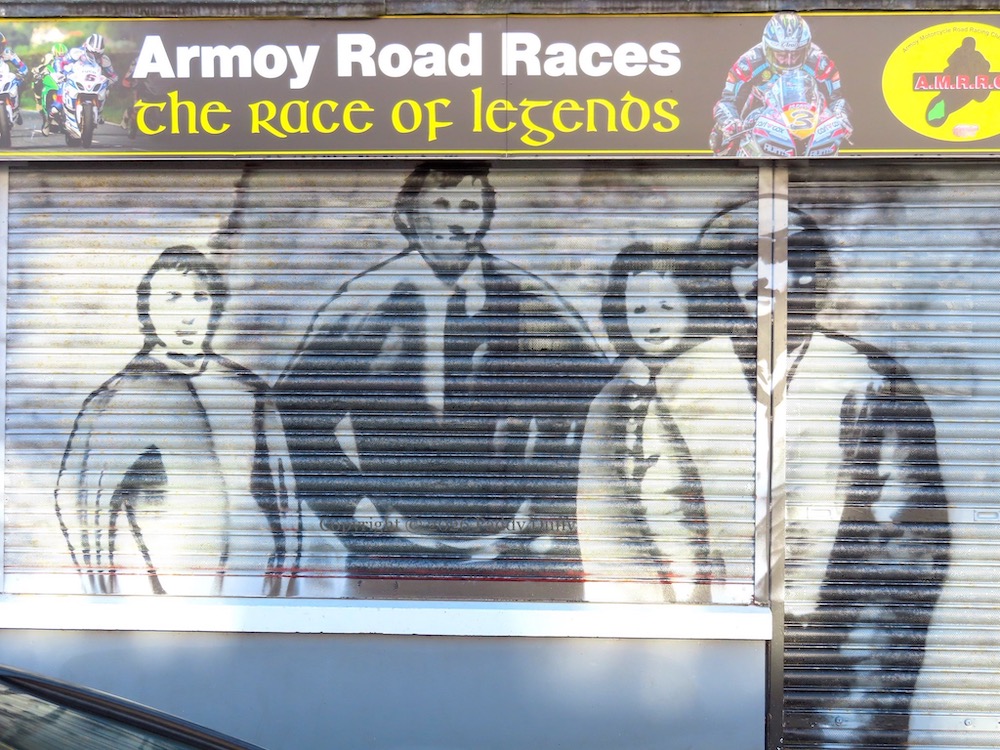
The “Armoy Armada” was (l-r) Joey Dunlop, Frank Kennedy, Jim Dunlop, Mervyn Robinson (AMRRC). The four formed a team of motorcycle racers from 1977 until 1979 when Kennedy was injured in the North West 200. In memory of the quartet, the Armoy Road Races have been held every July since 2009.
This mural was painted by Oliver McParland (web) in 2020 on a gable of a fast-food shop in Armoy. (For the original photograph, see Classic Motorbikes.) The cruder version in the final image, below, is also in Main Street, on the shutters of the Armoy Motorcycle Road Racing club.
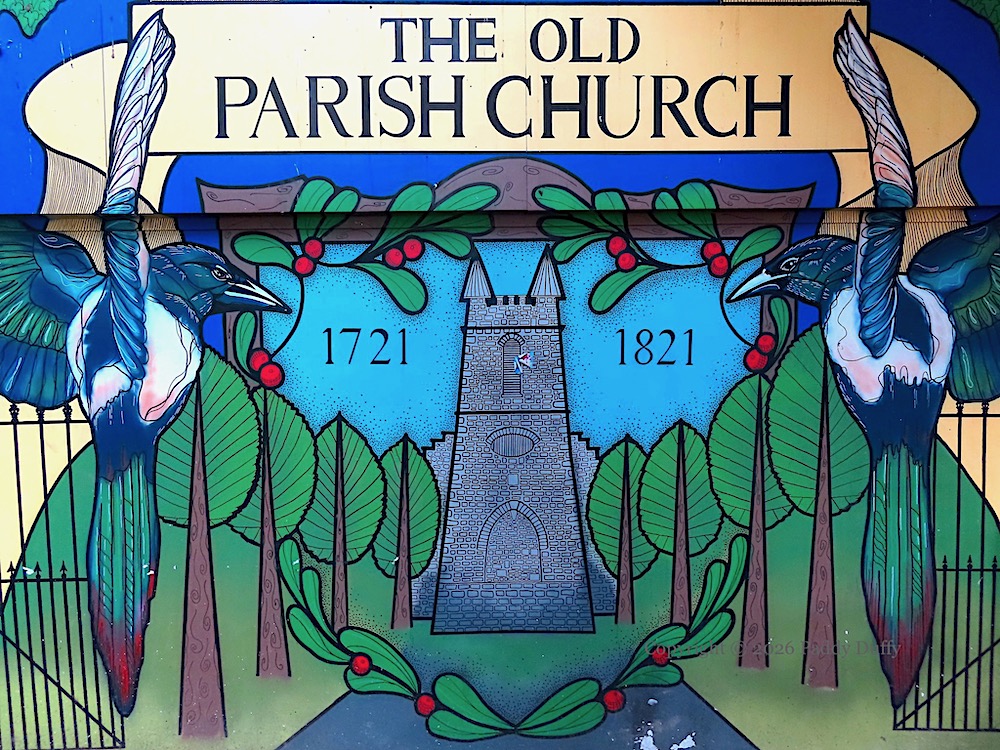
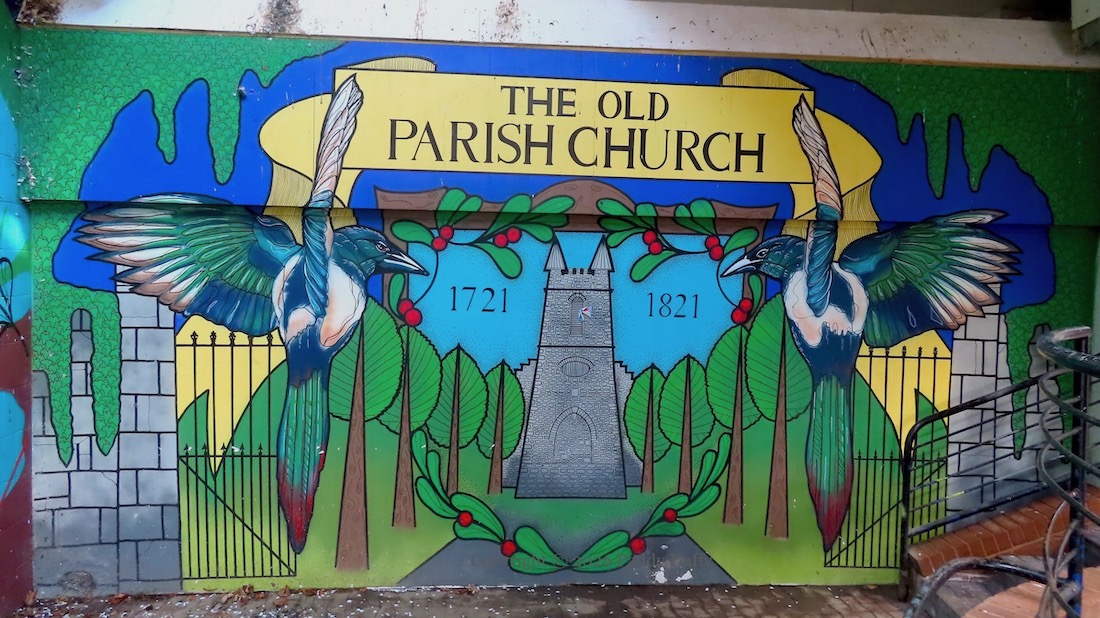
The Old Parish Church (Church Of Ireland) was consecrated in 1721, and a tower and gallery added in 1821. It was last used for a service in 1855 when it was replaced by St Patrick’s Church (Church History Trail youtube). Since then, the Old Parish Church has lain derelict.
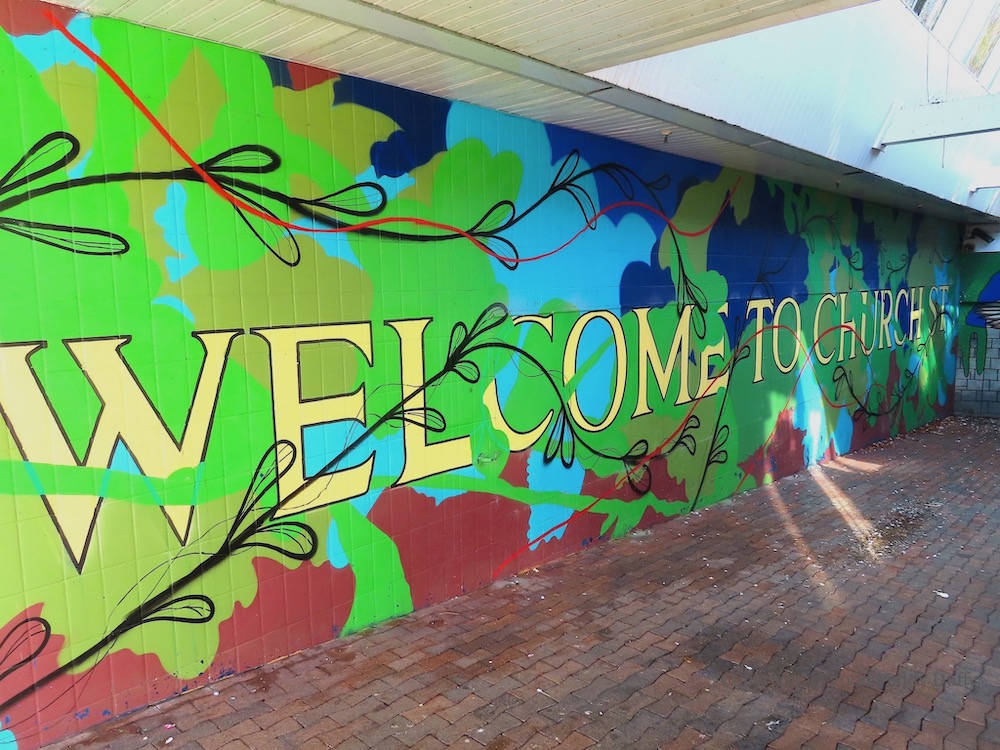
The wall-painting shown here is by Leanne McClelland (ig) in 2022 (Ballymena BID) in Church Street Arcade, off Church Street, Ballymena.
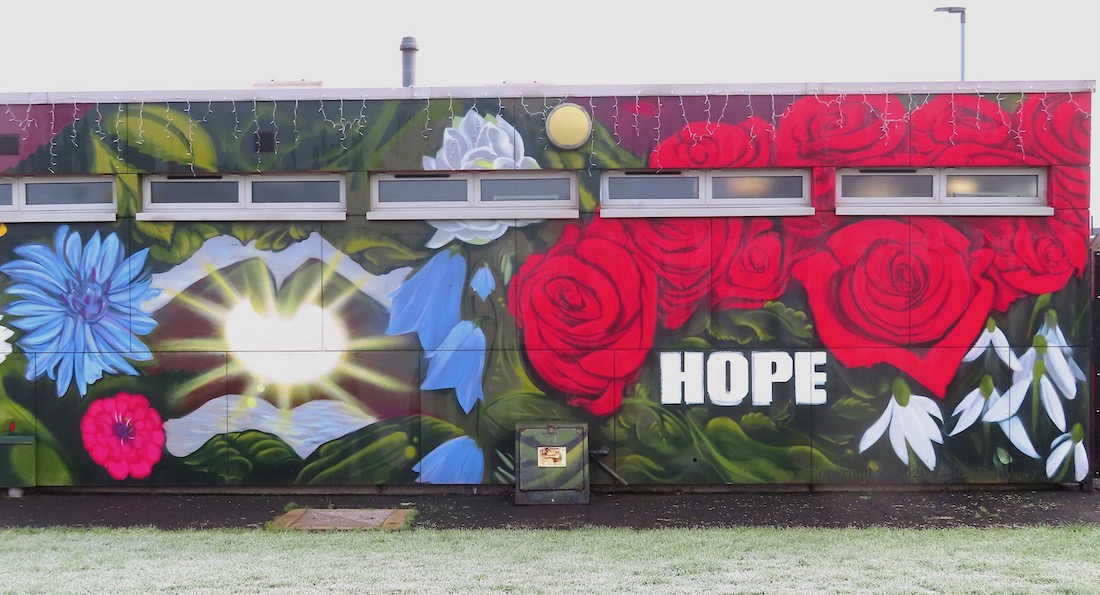
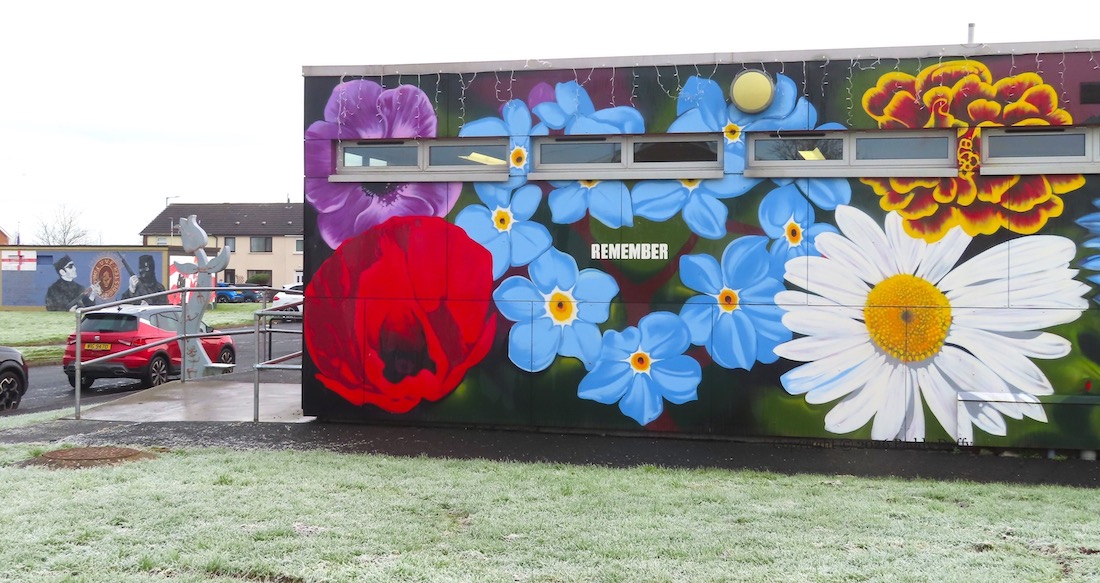
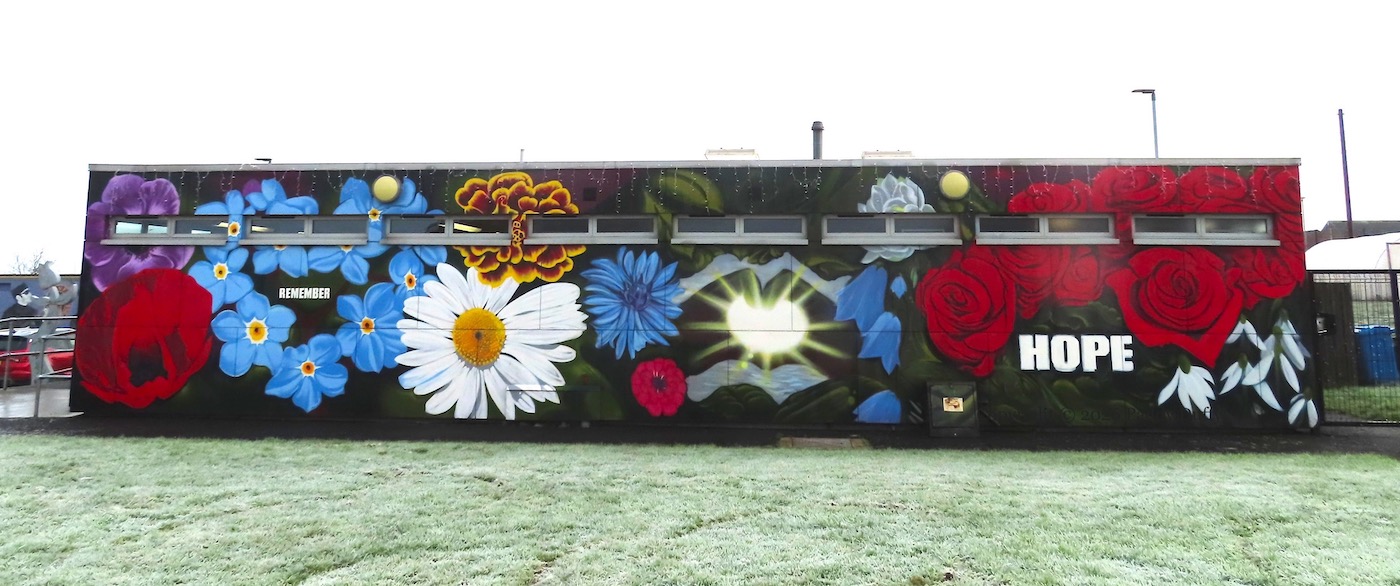
Or perhaps two separate injunctions, “remember” and “hope”. This is a new piece of street-art on a wall of the Ballyduff Community Centre (Fb), which is home to the Ballyduff Community Redevelopment Group (Fb).
This is a piece of Fintan Magee street-art in the centre of Armagh, showing three singers at a 1950’s talent show in the Tontine Rooms (History Armagh). For the source photograph, see Magee’s instagram post. With support from Armagh City, Banbridge, and Craigavon borough council.
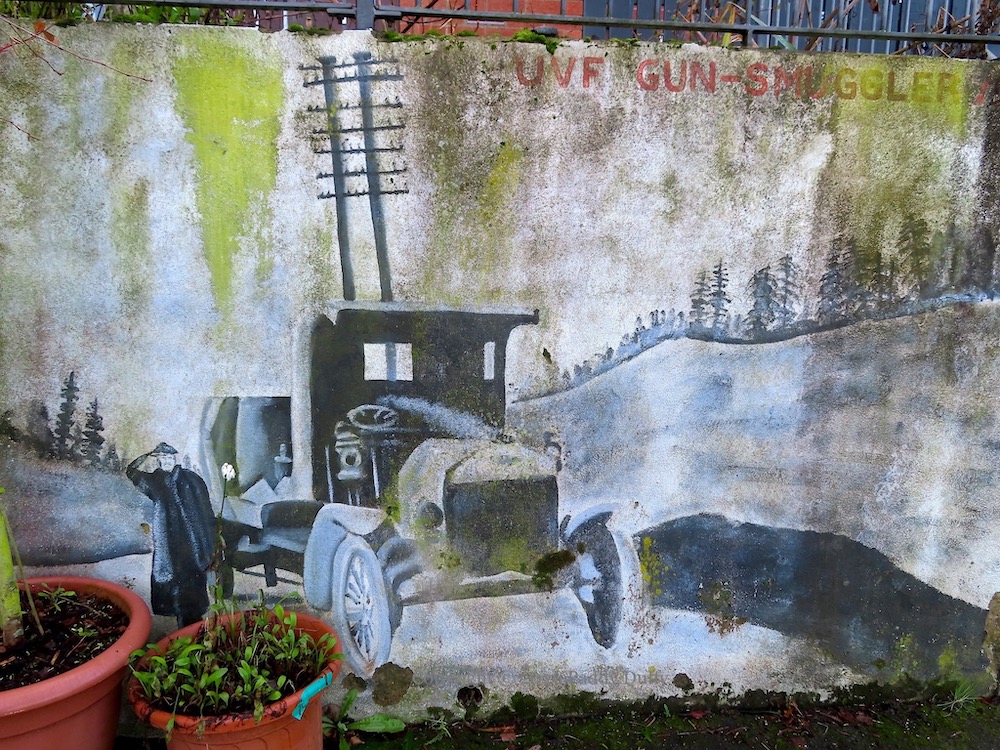
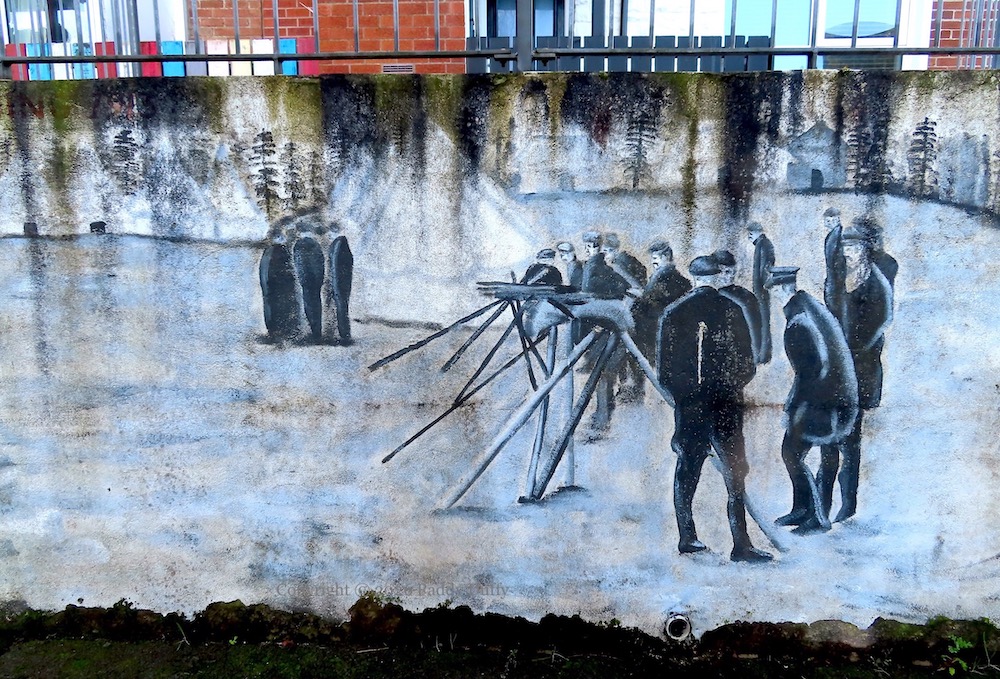
These faded Armagh murals have the titles “UVF Gun-Smuggler 1913” and “Arms Training 1913”.
The gun-smuggling mural features not the 1914 gun-running on Clyde Valley – the ship that brought in the weapons and ammunition into Larne – but a motor-car. There was earlier gun-running or bulk gun-purchasing – 175 rifles were bought from Harrods by the Earl Of Lanesborough and sent to Enniskillen (Balaclava Street) and 500 rifles were brought from Manchester in August 1913 (Irish Bayonets). (See also History Ireland.) These perhaps used automobiles for distribution, and the Larne gun-running is described as the first time that the horseless carriage was used in a military operation – there were about 350 vehicles in the “Motor Car Corps” (Angelsey p. 3).
The location of the car, and of the ‘arms training’ in the second mural, are unknown. Here is a 1914 image (Getty) showing tents and a single machine-gun at Ballywalter. The sources of both paintings are unknown.
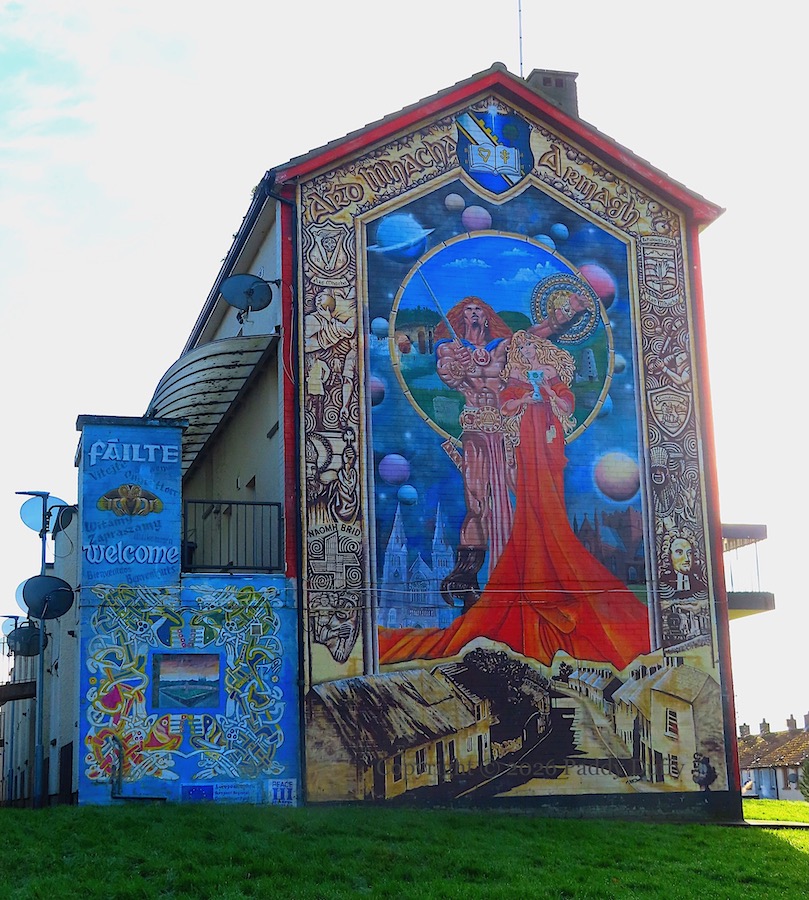
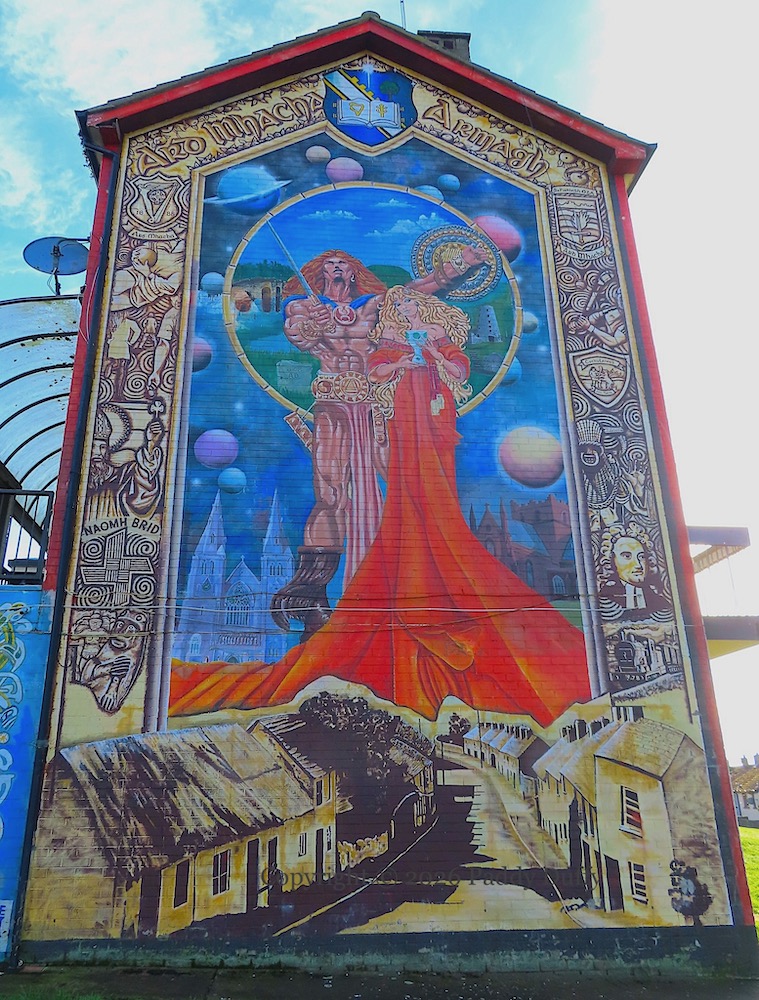
This is a mural of King Niall (Nıall Caılle, Niall of the Callan) and Queen Macha. Niall was high king of Ireland (in competition with Fedelmıd of Munster WP) who held off the Vikings in the late 800s (WP) and died in 846 by drowning in the Callan river. Macha is a much earlier and mythological queen, and gives her name to the town: Ard Mhacha.
The central figures reproduce paintings by Jim Fitzpatrick (Visual History). The Niall figure comes from Nemed The Great but the Macha figure comes from a label Fitzpatrick produced in 1988 for Rosc “mead”, even though Macha (one of them, at least) was the wife of Nemed and there is a female figure in Nemed The Great.
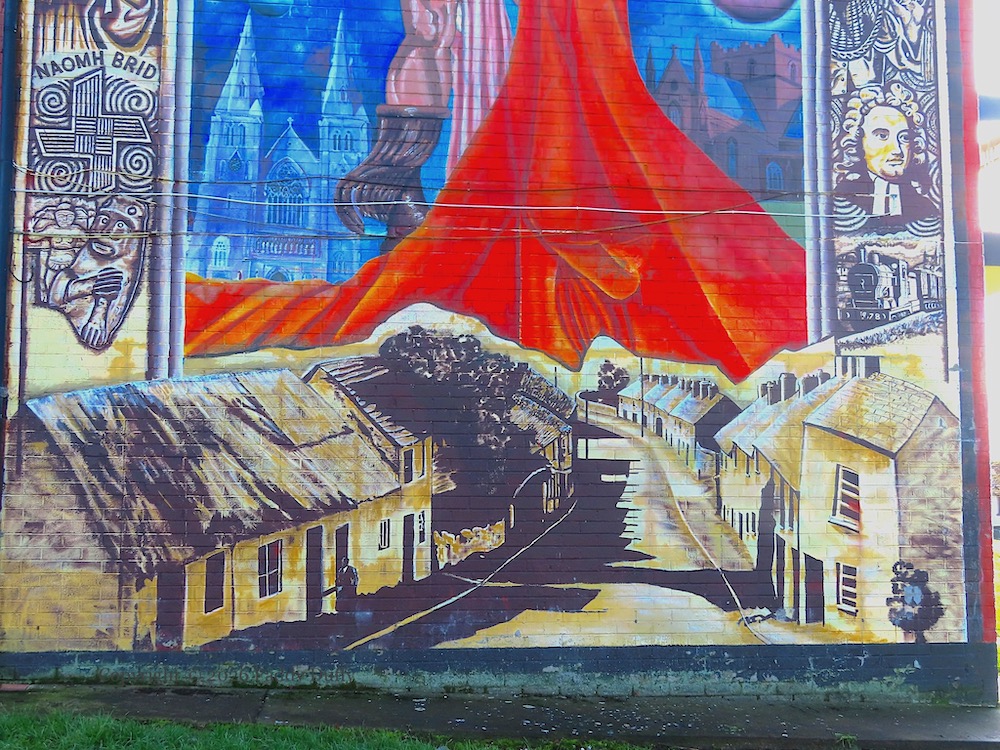
Below the planets and stars, St Patrick’s (Catholic) Cathedral is on the left (WP) and St Patrick’s (CofI) Cathedral is on the right (WP).
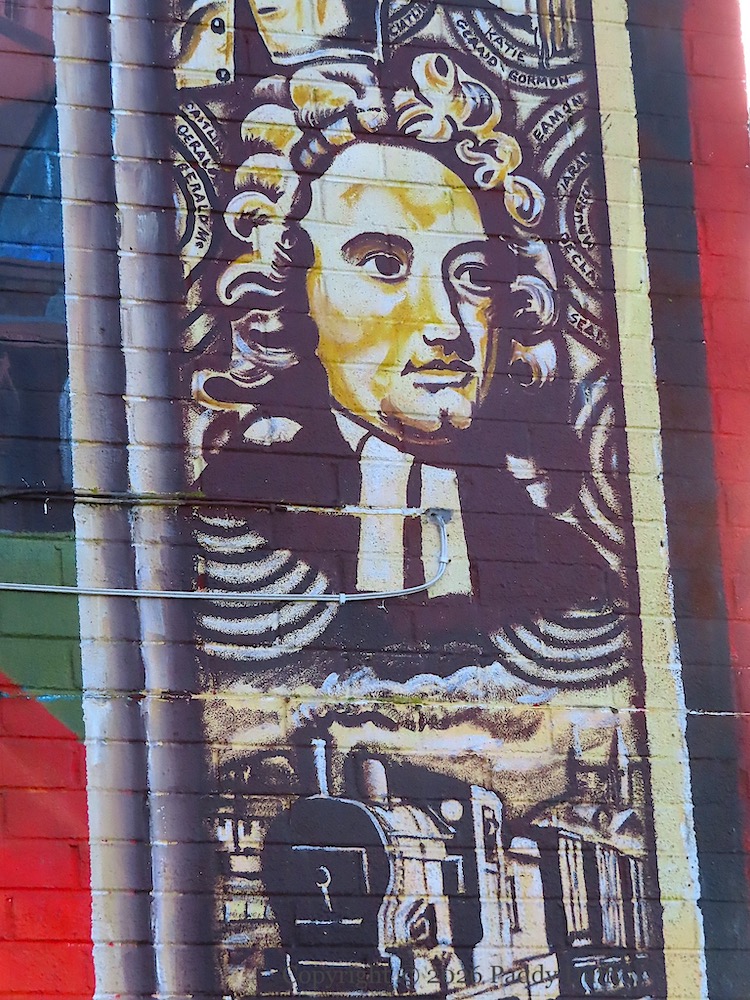
In the border, clockwise from left to right, we see: the Tandragee Idol (WP), Naomh Bríd/St Brigid’s, St Patrick preaching the trinity, Irish dancing, Gaelic football, Armagh Harps, “Ard Mhacha”, the Armagh county crest in colour in the apex (Club & County), “Armagh”, Na Pıarsaıgh Óga, hurling/camogie, Cú Chulaınn’s, mummers (perhaps specifically the Armagh Rhymers), Jonathan Swift, a steam locomotive (perhaps representing the Armagh rail disaster of 1889, in which 80 people died WP); a vintage image of Callan Street is depicted along the bottom (History Armagh).
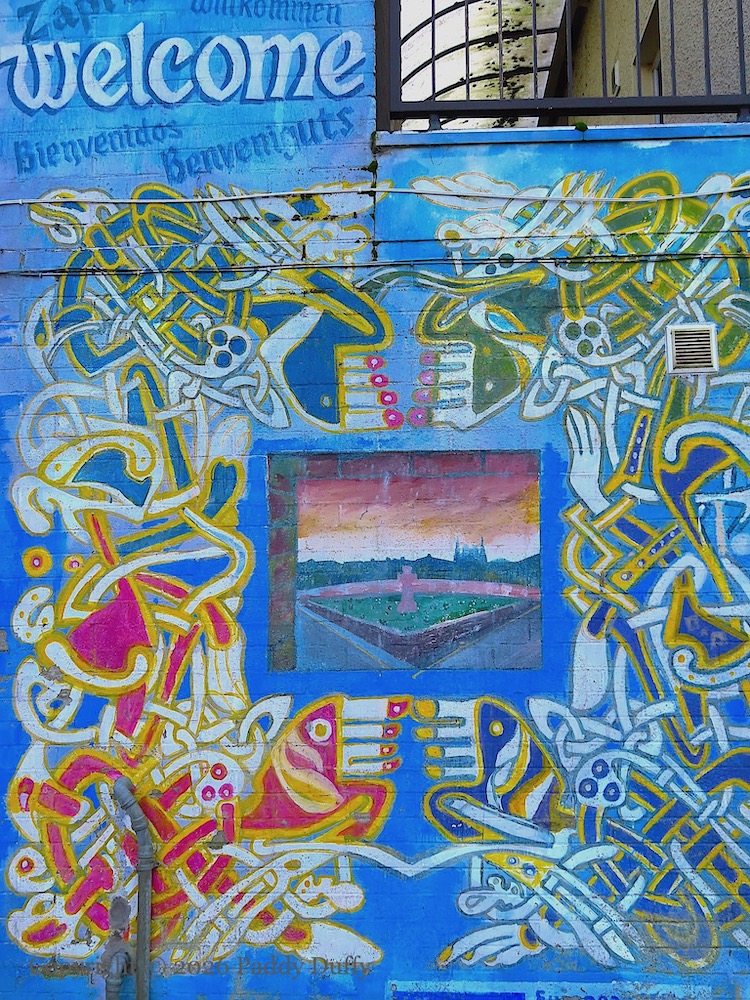
The side-wall features the word “welcome” in many languages, and Celtic knot-work surrounding an image of the Celtic Cross below St Patrick’s, perhaps inspired by this 1903 photograph (Flickr).
Painted by a crew of Belfast artists – Danny D and Mark Ervine, along with Lucas Quigley, Marty Lyons, Micky Doherty – and organised by the Callan Street Residents’ Association, with funding from the European Union’s Peace III initiative.
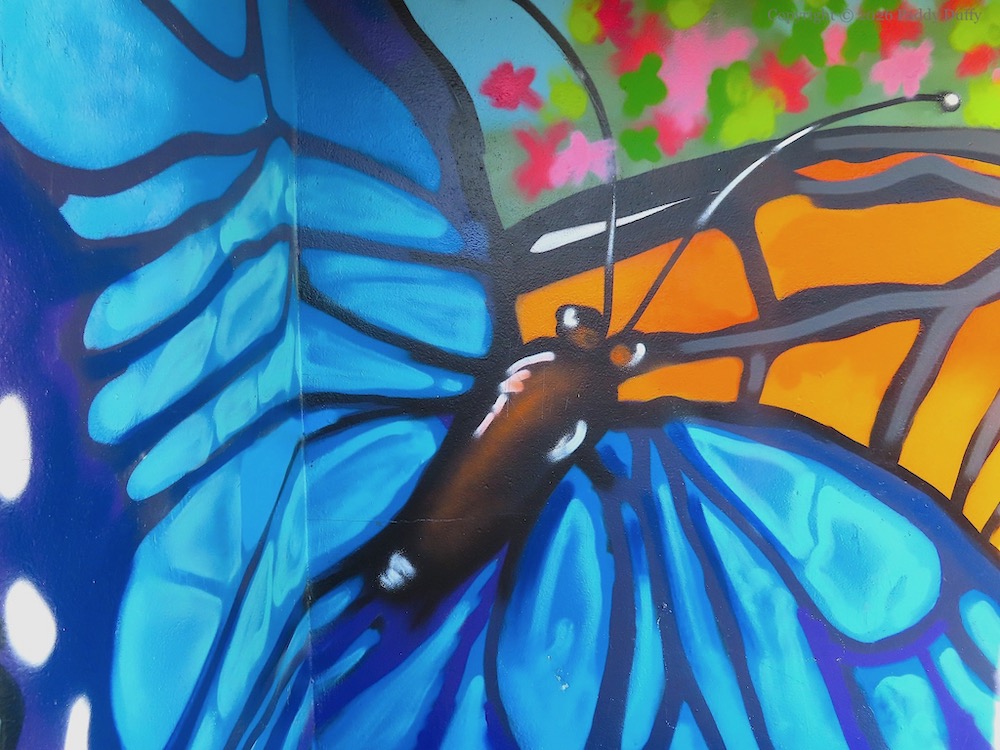
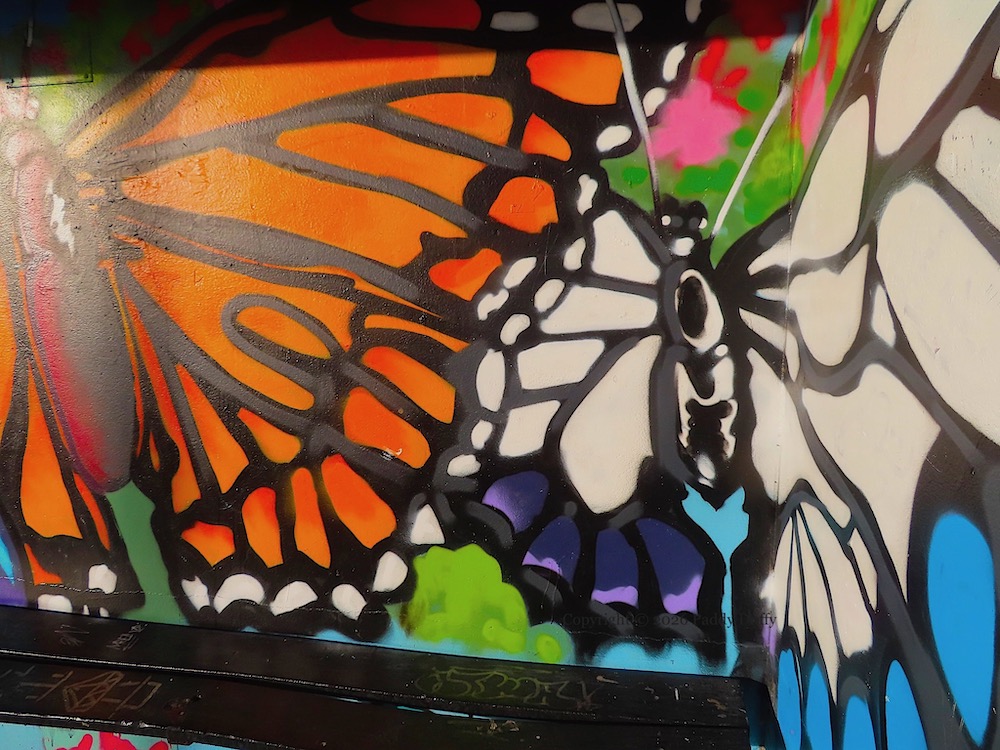
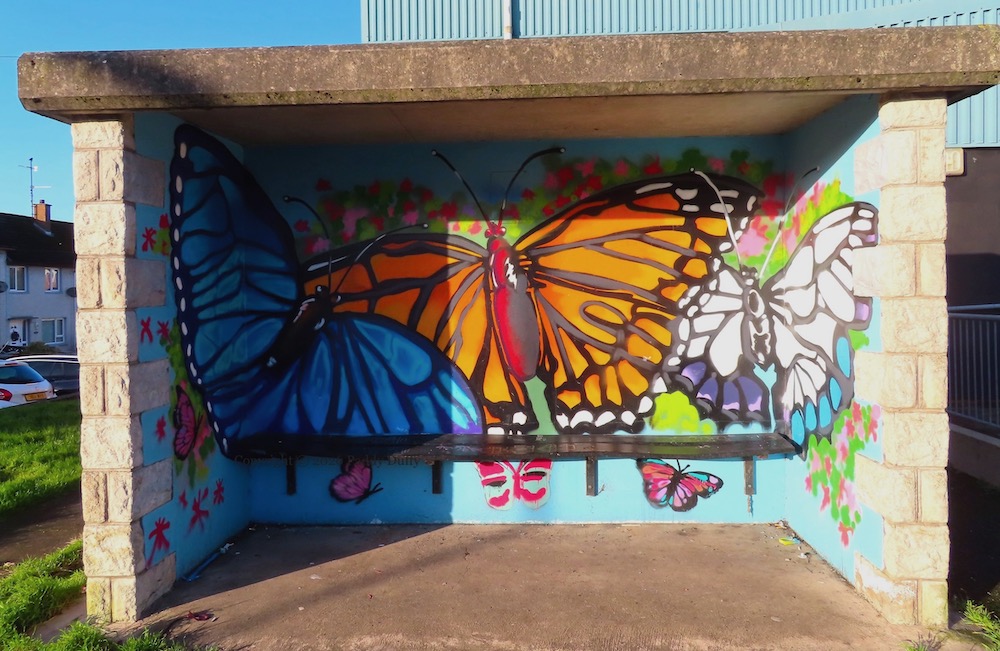
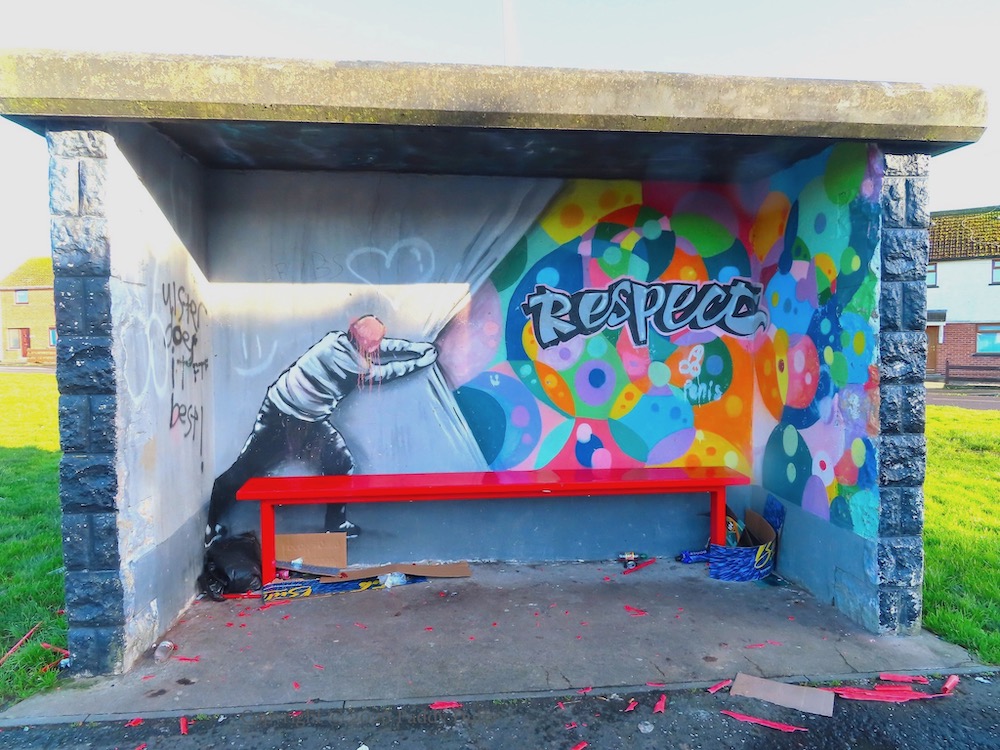
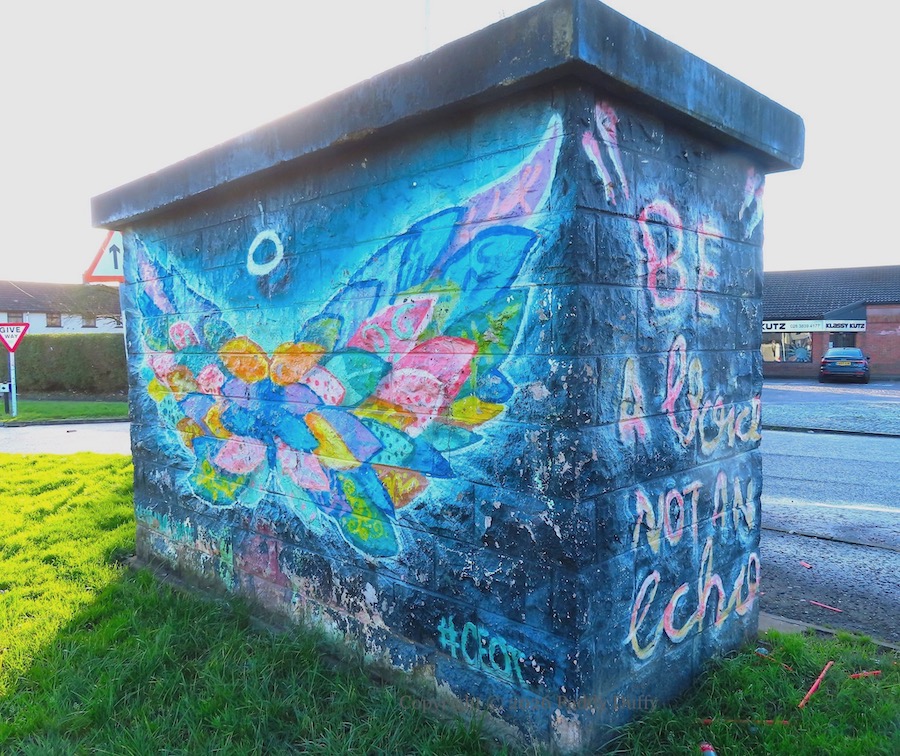
Here are two butterfly-themed painted bus-shelters in Portadown, one in Corcrain (opposite the shops) and the other in Killicomaine (at the bonfire ground).
The more recent piece is by Visual Waste (web), in association with Armagh, Banbridge, And Craigavon Policing And Community Support Partnerships (Fb); the older piece is probably by him too. It dates back to 2018 and is sporting several enhancements from local youth.



 Paddy Duffy Collection